
EN
try amma today
Working at night and overtime during pregnancy
Pregnancy

Working at night and overtime during pregnancy

2 min readWeek 24
Key takeaways
2 min
  • Limit weekly work hours to 40 or less, as working 55+ hours increases preterm birth risk by 10%
  • Consider schedule changes if working nights regularly, especially if you have a BMI over 30
  • Understand that disrupted melatonin from night work can lower progesterone levels needed for healthy pregnancy
  • Monitor for gestational hypertension after 20 weeks if working consistent night shifts
  • Consult your healthcare provider about work schedule modifications based on your individual health profile

Working night shifts during pregnancy may increase risks of preterm birth and gestational hypertension due to disrupted melatonin production. However, working over 55 hours weekly poses greater risks than timing, increasing preterm birth likelihood by 10%.

amma app

Track your pregnancy in the app

Personalized content for your pregnancy week

Download App

Ready for birth

Your baby will be born any day now. Delivering after your due date is not unusual, so don’t worry. The time will come before you know it.

Ready for birth - Working at night and overtime during pregnancyDuring this time in utero, your baby continues to gain weight. They most likely have hair on their head and their body is rounded and fleshy.

The baby’s body is covered with a greasy lubricant that protects the skin and, during childbirth, helps them pass through the birth canal easily [1].

Newborn babies usually have large genitals because they swell under the influence of hormones. However, they return to their normal size in a short time [2].

Your newborn will have many reflexes and skills that will help them master their new world. For example, if you put your finger in your baby's palm, they will squeeze it.

Your baby will instinctively reach for your breast and find your nipples because they smell like the amniotic fluid that surrounded them in utero [3].

What we can see on an ultrasound

In this picture, the baby is lying on their back, with the right side toward the screen. Head, arms, legs, and stomach are visible.
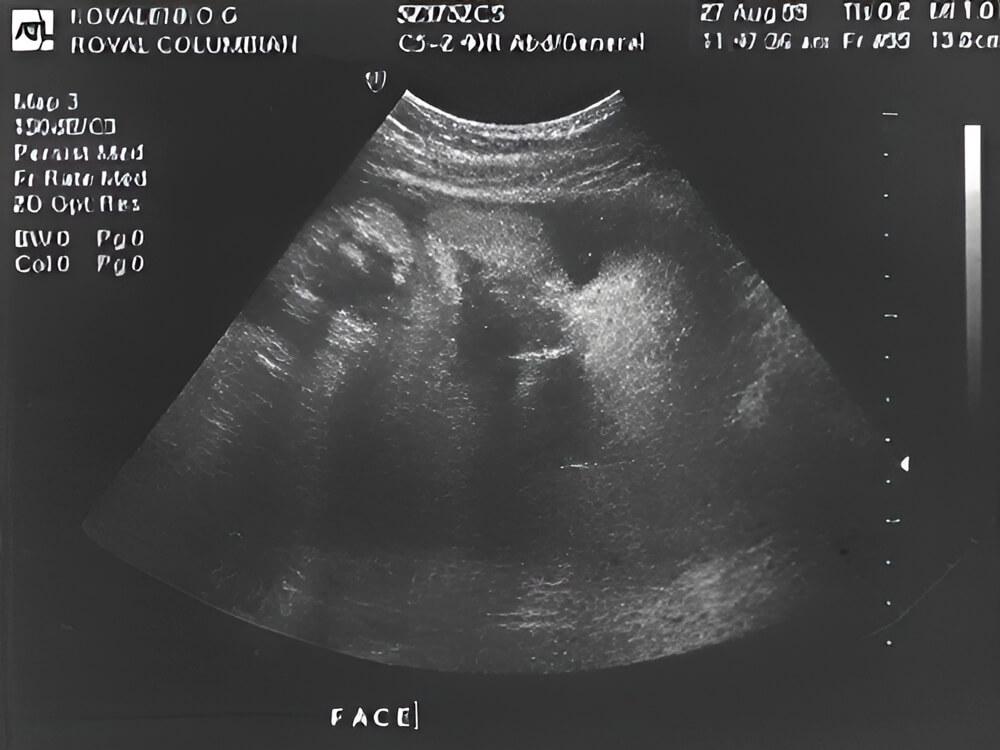

What we can see on an ultrasound - Working at night and overtime during pregnancy
Frequently asked questions

Night shifts during pregnancy carry some risks, including disrupted melatonin production and potential preterm birth. However, research shows mixed results, and individual health factors matter more than timing alone.

Working more than 55 hours per week increases preterm birth risk by 10%. It's recommended to stick to standard 40-hour work weeks when possible during pregnancy.

The CDC notes a connection between night work and increased miscarriage risk. However, large-scale studies show the actual risk difference is minimal for most healthy women.

Night shift work is associated with gestational hypertension after 20 weeks, especially for women with BMI over 30. Disrupted sleep cycles can also affect hormone production.

If you regularly work nights or long hours, discussing schedule modifications with your employer and healthcare provider is recommended. Individual health factors determine your specific risk level.

Medical Disclaimer

This article is for informational purposes only and is not a substitute for professional medical advice, diagnosis, or treatment. Always seek the advice of your physician or qualified health provider with any questions you may have regarding a medical condition.

Meet our medical experts

Medically reviewed content

Reviewed by healthcare professionals · Updated March 25, 2025

Track your pregnancy on the go

Rated 4.8417,594 reviews