EN
When can I find out the gender of a child?
Pregnancy

When can I find out the gender of a child?

2 min readWeek 10
Key takeaways
2 min
  • Know that the ultrasound around week 20 can often show your baby's sex, if their position allows it.
  • Know that a blood test can detect the male Y chromosome from week 7, but it is less accurate this early: in weeks 7 to 12 it finds the Y chromosome in about 95 out of 100 boys.
  • Understand that blood tests are typically reserved for medical reasons rather than curiosity, such as genetic disease screening.
  • Know that fetal DNA makes up to 10% of maternal plasma, enabling early gender detection through advanced testing methods.
  • Discuss timing options with your healthcare provider to support your healthy pregnancy journey and family planning decisions.

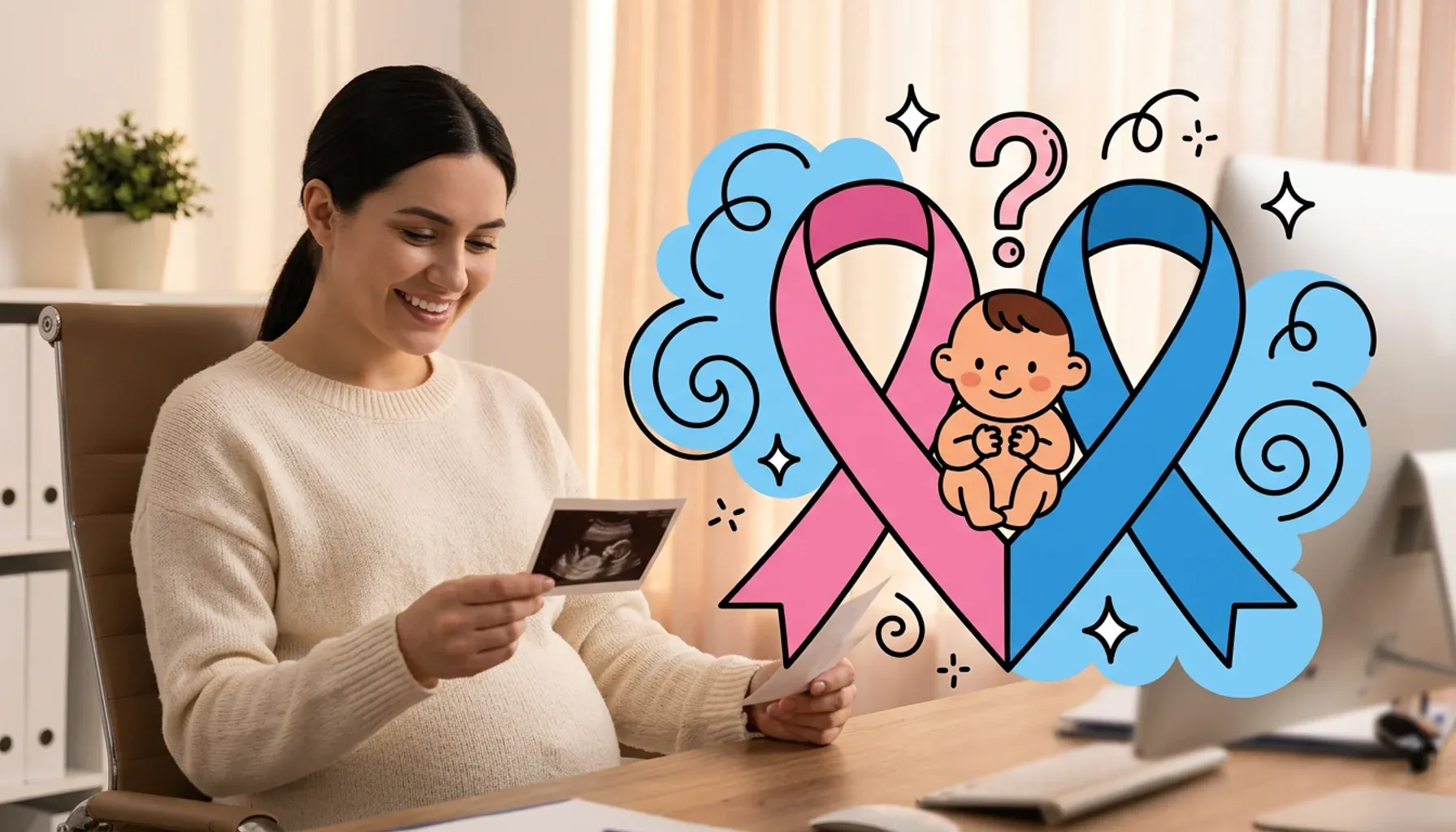
You can find out your baby's gender through blood testing as early as 7 weeks or via ultrasound at 20 weeks. Blood tests detect the Y-chromosome, though in weeks 7 to 12 they miss it in about 5 out of 100 boys, while an ultrasound can often show the sex from around 20 weeks, if the baby's position allows it.

amma app

What is your body telling you?

A personal check-up from amma — answer honestly and get your read-out

Rated 4.8· 417,594 reviews

When can I find out the gender of a child?

These days, there are two ways to learn the sex of your child before he or she is born: an ultrasound and a blood test.

Ultrasound

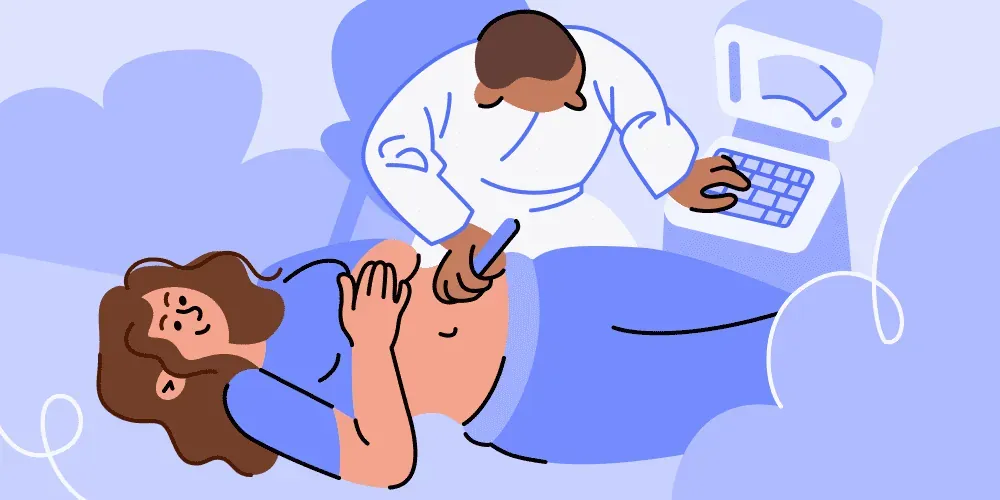
Even though a boy’s penis and scrotum start to form around 11 weeks, they are impossible to see on an ultrasound. To determine the sex of a child by ultrasound, you must wait until week 20, when the genitals are easy to recognize.

Blood test

Using a blood test, you can determine the sex of your child much earlier — week 7. The technique is based on the identification of the male Y-chromosome in the blood of the expectant mother. Separate cellular elements of the baby’s blood (nuclear red blood cells and white blood cells) and the placenta penetrate the mother’s blood, so fetal DNA (baby’s DNA) can make up to 10% of the mother’s plasma. How accurate the test is depends on when it's done: in weeks 7 to 12, it detects the Y chromosome in about 95 out of 100 boys, which means about 5 out of 100 tests may miss it; before week 7, it detects it in only about 75 out of 100 [1].

For ethical reasons, doctors do not provide this test simply for curiosity — that is, to exclude the possibility of a couple of sex-selective abortion. Normally, this test is run for expectant mothers who have genetic diseases associated with the sex of the child. Hemophilia, for example, is transmitted through the female line exclusively to boys. Another reason this test may be given is to determine the Rh factor of the child — to prevent a conflict with an Rh negative mother.


Not sure how far along you are?

Convert weeks to months, estimate your due date, and follow week-by-week progress.

Open pregnancy calculators
Frequently asked questions

You can find out your baby's gender as early as 7 weeks through a blood test that detects the Y-chromosome, much earlier than ultrasound detection. This early, though, the test is less accurate: in weeks 7 to 12 it detects the Y chromosome in about 95 out of 100 boys.

Ultrasound can often show your baby's gender at around 20 weeks of pregnancy, though the sonographer can't be 100% certain, for example if the baby is lying in an awkward position. While genitals start forming around 11 weeks, they're not clearly visible until the 20-week mark.

Blood tests for gender determination are very accurate, and more so later in pregnancy: the Norwegian Institute of Public Health found that they detect the Y chromosome in about 95 out of 100 boys in weeks 7 to 12, but in only about 75 out of 100 before week 7. The test works by detecting fetal DNA in the mother's blood, which can make up to 10% of maternal plasma.

Doctors typically recommend early gender testing for medical reasons, such as screening for sex-linked genetic diseases like hemophilia. It may also help determine Rh factor compatibility between mother and baby.

Most doctors don't provide blood tests solely for gender curiosity due to ethical concerns about sex-selective decisions. The test is usually reserved for medical necessity during high-risk pregnancies.

Medical Disclaimer

This article is for informational purposes only and is not a substitute for professional medical advice, diagnosis, or treatment. Always seek the advice of your physician or qualified health provider with any questions you may have regarding a medical condition.

Meet our medical experts

Medically reviewed content

Reviewed by healthcare professionals · Updated

This article is based on peer-reviewed research and trusted medical sources.

  1. Non-invasive prenatal testing (NIPT) for foetal sex determination. Norwegian Institute of Public Hea

You might also like

If antenatal screening tests find somethingPregnancy 2 min

If antenatal screening tests find something

Learn what to do when pregnancy screening tests indicate high risk. Understand your options for additional testing and make informed decisions. Get expert guidance.

medical-testsdoctor-visits
We want a second child, but where do I find the strength?Getting Pregnant 3 min

We want a second child, but where do I find the strength?

Planning a second child while caring for your first? Discover 5 essential strategies for maintaining your health and energy before conception. Start your healthy pregnancy journey today.

emotionsparenting
How to find time for your older childNew Parent 2 min

How to find time for your older child

Discover 6 proven strategies to bond with your older child after welcoming a new baby. From scheduled one-on-one time to special outings, learn how to nurture both children. Get expert parenting tips now!

parentinglove-y-relationships
Take the stress out of nighttime feedingsNew Parent 2 min

Take the stress out of nighttime feedings

Learn proven strategies to make nighttime baby feedings less stressful. Discover when to stop night feeds, create calming routines, and reduce anxiety naturally.

breastfeedingbaby-caresleep
Congratulations, you are pregnant!Pregnancy 2 min

Congratulations, you are pregnant!

Discover what happens in early healthy pregnancy - from implantation to hCG production. Learn about embryo development, ultrasound signs, and when to test. Start your journey right.

conceptionemotions
How do you stop postpartum hair loss?New Parent 1 min

How do you stop postpartum hair loss?

Discover why postpartum hair loss happens and what you can do about it. Learn timeline, treatments, and when to see a doctor. Get expert parenting advice now!

beautypostpartum-symptoms
amma app

What is your body telling you?

Get your personal read-out from amma

What is your body telling you?

Trusted by over 30 million women worldwide

Rated 4.8417,594 reviews