EN
The baby is rapidly gaining weight
Pregnancy

The baby is rapidly gaining weight

2 min readWeek 32
Key takeaways
2 min
  • Monitor your baby's movement patterns daily, as they should remain consistent even though kicks may feel more intense due to limited womb space.
  • Start talking and singing to your baby regularly, as they can now distinguish different voices and have developed their sense of taste.
  • Expect your baby to be positioned head-down by 36 weeks, with legs curled to chest due to decreased space in the womb.
  • Maintain balanced nutrition if carrying twins, avoiding both overeating and restrictive diets to prevent premature birth risks.
  • Prepare for increased amniotic fluid levels as your baby urinates regularly and swallows fluid that reflects your dietary choices.

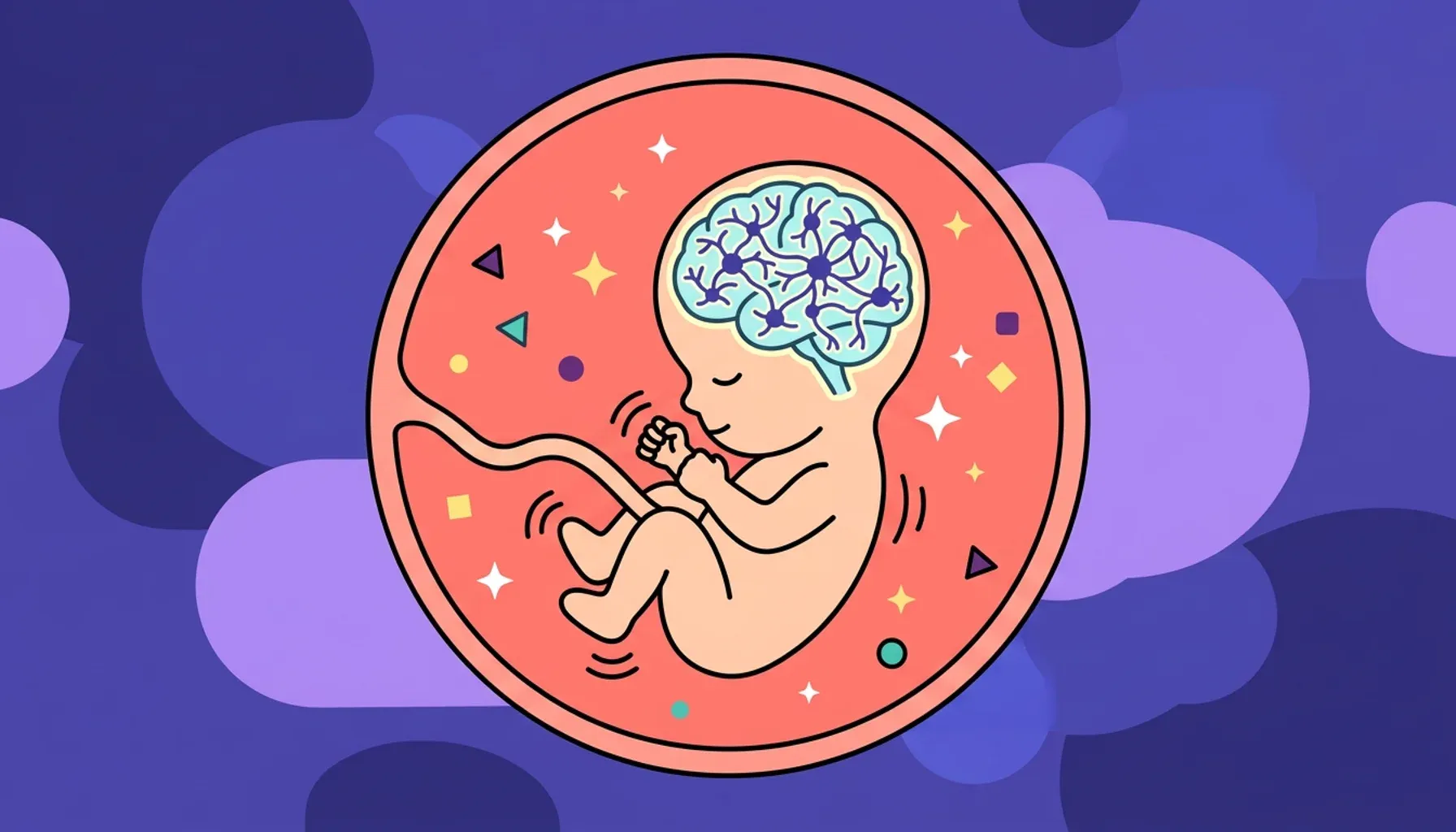
At 31–32 weeks, babies rapidly gain weight as their primary developmental task since major organs are already formed. With limited womb space, movements feel more intense while maintaining consistent daily patterns, and most babies are head-down by about 36 weeks.

amma app

What is your body telling you?

A personal check-up from amma — answer honestly and get your read-out

Rated 4.8· 417,594 reviews

The baby is rapidly gaining weight

By this week of pregnancy, the baby has already formed the most important organs and systems. Now their main task is to actively gain weight [1]. 

As the baby grows, there’s less space in the womb, which makes them curl up with legs to chest [2]. By about 36 weeks, most babies are positioned head-down.

Despite the tighter space, the baby will keep pushing and kicking. The expectant mother may feel these movements more intensely than before, which is normal. She needs to pay close attention to the pattern of the baby’s movements because they should remain relatively the same day to day. For example, if the baby has typically been more active in the evening, then they should continue this trend [3].

The baby is surrounded by more fluid because they urinate regularly [4]. The baby also swallows amniotic fluid periodically, which can taste differently depending on what the mother eats. By now, the little one has already developed a sense of taste [3].

At this stage, the baby begins to hear more and can pick out distinct voices, so start communicating more! Touch your partner’s belly and talk or sing to your baby [4].

If your partner is expecting twins

It is especially important for the expectant mother to watch her diet. If the babies gain too much weight, the risk of premature birth increases, because the uterus cannot handle the load. However, a diet that is too strict can also increase the risk of premature birth because the babies are not getting adequate nutrition [5]. This makes it especially important for the babies to receive sufficient amounts of vitamins and trace elements in the next four to five weeks. Overeating should be avoided.

What we can see on ultrasound

The image shows the baby's hand. In the upper left corner, the radius, or forearm bone, is visible. Below, we can see an open palm, the thumb, and the four other fingers.

The baby is rapidly gaining weight - The baby is rapidly gaining weight
  1. radius bone

  2. hand

  3. fingers


Not sure how far along you are?

Convert weeks to months, estimate your due date, and follow week-by-week progress.

Open pregnancy calculators
Frequently asked questions

At 31–32 weeks, babies are rapidly gaining weight as their main developmental task. Most organs are formed, so energy focuses on weight gain and growth preparation for birth.

Contact your healthcare provider or maternity unit immediately if your baby is moving less than usual or their movement pattern changes. While kicks may feel more intense due to less space, the timing and frequency should remain consistent with your baby's established pattern.

Medical Disclaimer

This article is for informational purposes only and is not a substitute for professional medical advice, diagnosis, or treatment. Always seek the advice of your physician or qualified health provider with any questions you may have regarding a medical condition.

Meet our medical experts

Medically reviewed content

Reviewed by healthcare professionals · Updated

This article is based on peer-reviewed research and trusted medical sources.

  1. Fetal development: The 3rd trimester. Mayo Clinic.
  2. Brewer S. The Pregnant Body Book. Dorling Kindersley Publishing Staff, 2012, p. 164.
  3. 31 weeks pregnant: fetal development. BabyCenter.
  4. Week-by-week guide to pregnancy. NHS.
  5. SMFM Special Statement: State of the science on multifetal gestations: unique considerations and imp
amma app

What is your body telling you?

Get your personal read-out from amma

What is your body telling you?

Trusted by over 30 million women worldwide

Rated 4.8417,594 reviews