EN
The baby can open their eyes
Pregnancy

The baby can open their eyes

2 min readWeek 27
Key takeaways
2 min
  • Watch for your baby's first eye opening milestone during fetal development, when they begin detecting light changes and preparing to blink.
  • Know that eye color depends on genetics - not all babies are born with blue eyes, and brown is very common - and it may keep changing for a while, but has usually settled by around age three.
  • Notice increased fetal movement as your baby stretches, kicks, responds to sounds, and moves arms and legs independently throughout the uterus.
  • Understand that lung development accelerates with surfactant production, preparing your baby for independent breathing after birth.
  • Recognize that twins can see each other for the first time at this stage, though fraternal twins may develop different eye colors.

Babies first open their eyes in the womb during the second trimester, typically around 26-28 weeks of pregnancy. Their eye color depends on genetics - not all babies are born with blue eyes - and may keep changing for a while, but has usually settled by age three.

amma app

What is your body telling you?

A personal check-up from amma — answer honestly and get your read-out

Rated 4.8· 417,594 reviews

The baby can open their eyes

The baby’s body is proportionally developed now, with a fully formed face, hair, eyebrows, and eyelashes.

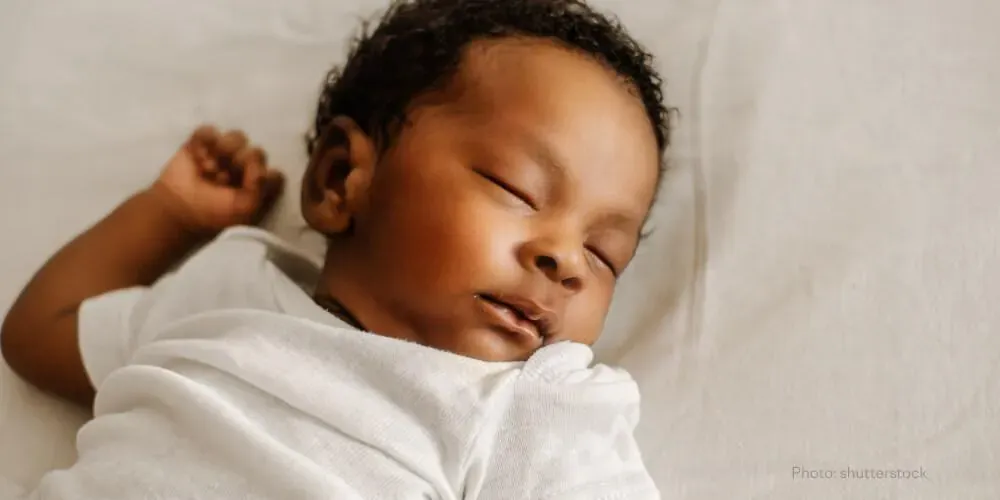
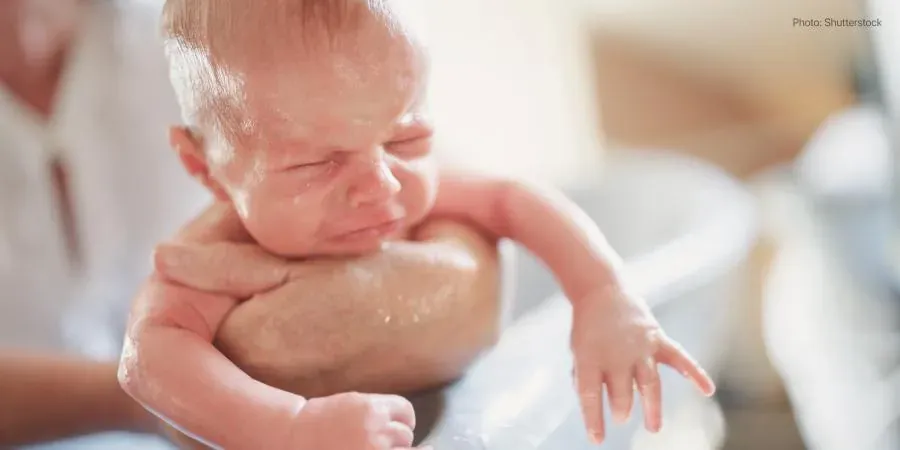
This week, the baby will open their eyes for the first time [1]. They can now notice changes in lighting, and will soon begin to blink. Their eye color depends on their genes: not all babies have blue eyes, and brown is very common. Eye color may keep changing for a while, but it has usually settled by the age of three [2].

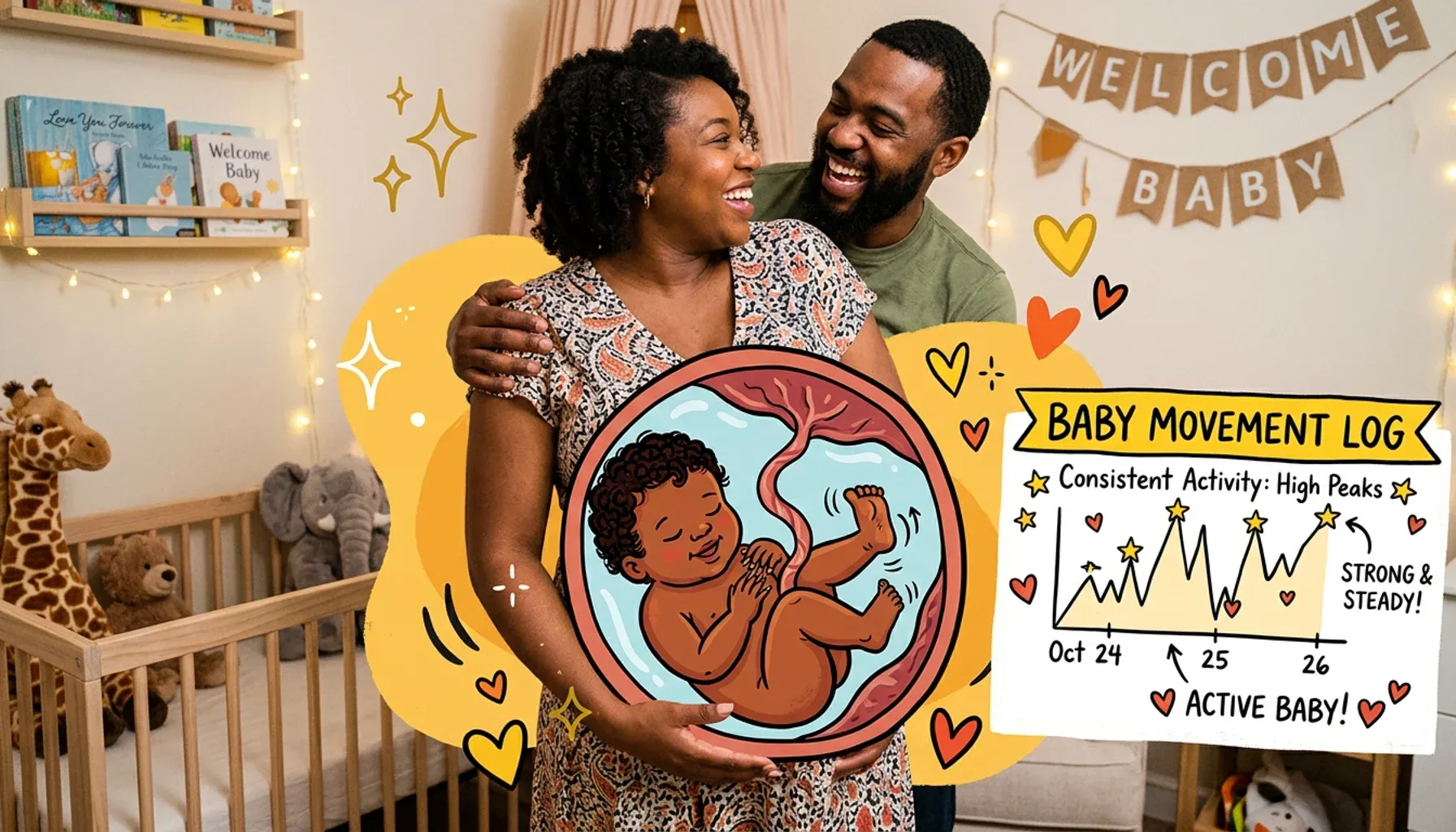
Baby is stretching, kicking, and reacting to sounds, and their hands make grasping movements [3]. They can now move each arm and leg separately, so their movements can be directed towards all parts of the uterus.

The baby’s lungs begin to produce surfactant, a liquid that protects the airways. Thanks to this substance, the baby will later learn to breathe independently [4].

If your partner is expecting twins

The babies can now look at each other for the first time! Their eye color is dictated by their genes. If your partner is having fraternal twins, they may not have the same eye color [5]. 

What we can see on an ultrasound

The picture shows a cross-section of the chest. The lungs are white, and the heart is the dark area in the middle of the image. The heart takes up almost a third of the chest. Four parts of the heart are visible: two atria and two ventricles, and the partitions between them.

The baby can open their eyes - The baby can open their eyes
  1. heart

  2. lungs

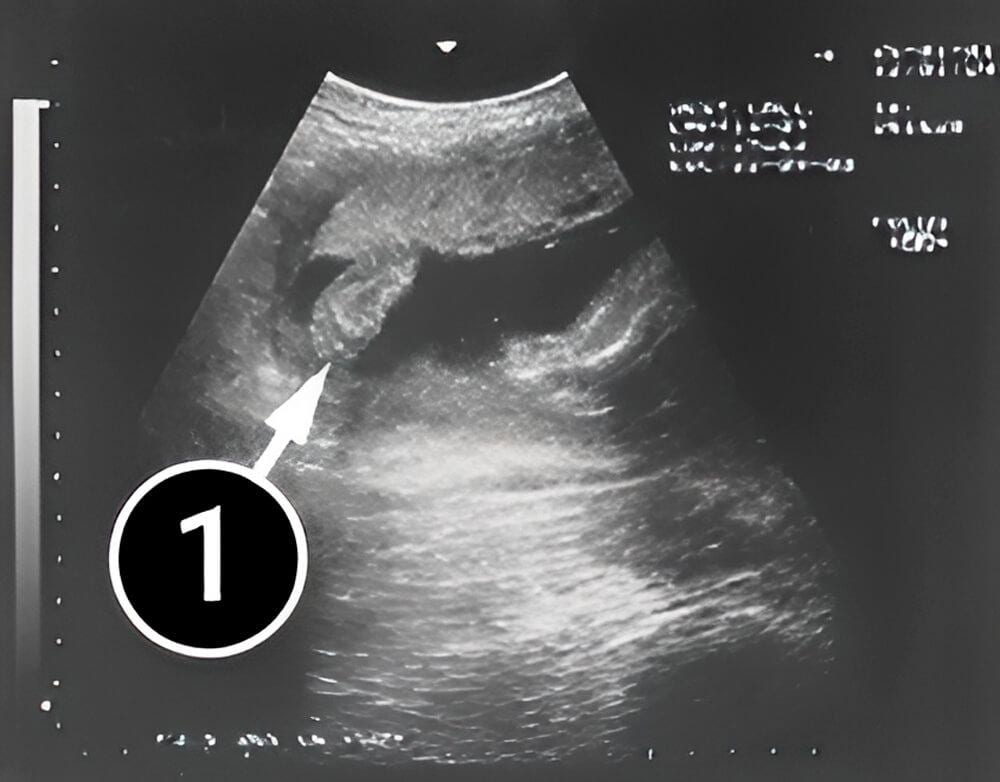
The image shows the baby’s foot with its five toes. The white marks above them are the metatarsal bones, and a bit higher we can see the arch of the foot. 
The baby can open their eyes - The baby can open their eyes
  1. toes


Not sure how far along you are?

Convert weeks to months, estimate your due date, and follow week-by-week progress.

Open pregnancy calculators
Frequently asked questions

Babies first open their eyes during the second trimester of pregnancy, typically around 26-28 weeks of gestation. At this stage, they can detect changes in lighting and will soon begin to blink.

No. It's a myth that all babies are born with blue eyes: eye color depends on the parents' genetics, and brown is very common. It can keep changing for a while, but has usually settled by around age three.

When babies first open their eyes, they're also stretching, kicking, responding to sounds, and making grasping movements. They can move each arm and leg separately, directing movements throughout the uterus.

During this same period, baby lungs begin producing surfactant, a protective liquid for the airways. This substance is crucial for preparing the baby to breathe independently after birth.

Yes, twins can look at each other for the first time when they open their eyes in the womb. Fraternal twins may have different eye colors, because each has their own genetics.

Medical Disclaimer

This article is for informational purposes only and is not a substitute for professional medical advice, diagnosis, or treatment. Always seek the advice of your physician or qualified health provider with any questions you may have regarding a medical condition.

Meet our medical experts

Medically reviewed content

Reviewed by healthcare professionals · Updated

This article is based on peer-reviewed research and trusted medical sources.

  1. Brewer S. The Pregnant Body Book. Dorling Kindersley Publishing Staff, 2012, p. 145.
  2. Week-by-week guide to pregnancy. NHS.
  3. How Your Fetus Grows During Pregnancy. ACOG.
  4. Fetal development: The 2nd trimester. Mayo Clinic.
  5. A genome scan for eye color in 502 twin families: most variation is due to a QTL on chromosome 15q.
amma app

What is your body telling you?

Get your personal read-out from amma

What is your body telling you?

Trusted by over 30 million women worldwide

Rated 4.8417,594 reviews