EN
try amma today
Preterm birth
Pregnancy

Preterm birth

4 min readWeek 24
Key takeaways
4 min
  • Understand that preterm birth occurs before 37 weeks of pregnancy, affecting over 10% of babies worldwide with varying degrees of severity.
  • Recognize common risk factors including previous preterm delivery, multiple pregnancies, preeclampsia, and infections to discuss with your healthcare provider.
  • Monitor for warning signs like regular contractions and lower back pain, and seek immediate medical attention if these symptoms occur.
  • Work with your doctor on prevention strategies including frequent monitoring, treating infections, and potentially receiving magnesium sulfate if at high risk.
  • Prepare for specialized newborn care needs including incubator support and respiratory therapy that premature babies often require.

Preterm birth occurs when a baby is born before 37 weeks of pregnancy, affecting over 10% of babies worldwide. Risk factors include previous preterm delivery, multiple pregnancies, and infections, though many cases occur unexpectedly requiring specialized medical care.

amma app

Track week 24 in the amma app

Personalized daily updates for your pregnancy

Rated 4.8· 417,594 reviews

According to the World Health Organization (WHO), just over 1 out of every 10 babies are born preterm worldwide. A preterm birth is when a baby is born earlier than 37 weeks [1]. In countries with high accessibility and a higher quality of obstetric healthcare (like the United States), almost all premature babies survive. However, most of them need special care [2].

What is a preterm birth?

A preterm birth, also referred to as a premature birth is when the delivery of a baby happens between week 22 and 37 of pregnancy. Although babies will develop throughout pregnancy, the final weeks of pregnancy are typically where the essential organs such as the brain, lungs and liver fully develop [1]. Preterm births are classified according to how early baby is born [2]:

  • extremely preterm, before week 28;

  • preterm, between week 28 and 32;

  • moderately preterm, between week 32 and 37.

The later the baby is born during pregnancy the better. This helps to prevent any health complications for both mother and baby. The WHO does not recommend that your doctor induce labor or perform a C-section before 39 weeks unless medically indicated [2].

What does “medically indicated” mean?

In some extreme situations a preterm birth may be advised or "medically indicated" by health professionals. For example if a mother or baby’s life is threatened by conditions such as preeclampsia, oligohydramnios, or intrauterine infections a doctor may recommend inducement or a C-section, even though it is early in the pregnancy. In this instance having a preterm birth carries less of a risk than the other health conditions which have the potential to be life threatening [3].

What can cause preterm birth?

Some of the most common risk factors for a preterm birth are [3]:

  • A previous preterm delivery;

  • A placenta preview (this is when the placenta attaches lower in the uterus);

  • A pregnancy with twins or other multiples;

  • Preeclampsia;

  • Oligohydramnios;

  • Tobacco use;

  • Premature rupture of membranes;

  • Cervicovaginitis;

  • Urinary tract infection.

Can I prevent preterm birth?

If you have one or more risk factors for a preterm birth your doctor will see you more often in order to monitor your pregnancy more closely. It’s possible that you will need to treat any infections or conditions with medical therapies, a low sugar diet, or other prescriptions. If you carry a high risk for preterm delivery, your doctor may give you magnesium sulfate before week 32 to lessen the risk of neurological disorders such as cerebral palsy in the baby [4].

If you are already in preterm labor, you will be admitted to the hospital, and the medical staff will take all necessary actions to make sure the baby is born safely. This may include regulating the baby's body temperature with an incubator (thermal care) and continuous positive air pressure therapy or oxygen therapy for respiratory issues [4].

When do I need to go to the hospital?

  • If you have regular contractions;

  • If you feel pain in your lower back and abdomen;

  • If your amniotic fluid is leaking (even if you have no contractions).

Depending on your symptoms and signs, your doctors will look for ruptured membranes, perform a vaginal exam, and monitor the baby's heartbeat. You may receive an ultrasound and a urine exam to check for infections.

If all tests show normal results, your preterm labor will likely stop (as it does for 3 in 10 women). If labor continues, your doctors will proceed with delivery [1].

If I give birth prematurely, will I be able to hold my baby?

It depends on the baby's condition and what immediate care is needed. If the baby can breathe on their own, they will be laid on the mothers chest. This natural and loving skin-to-skin contact, plus frequent breastfeeding, is called kangaroo mother care. It’s not only an emotional relief for both mother and baby, but actually boosts the baby’s ability to thrive [4].

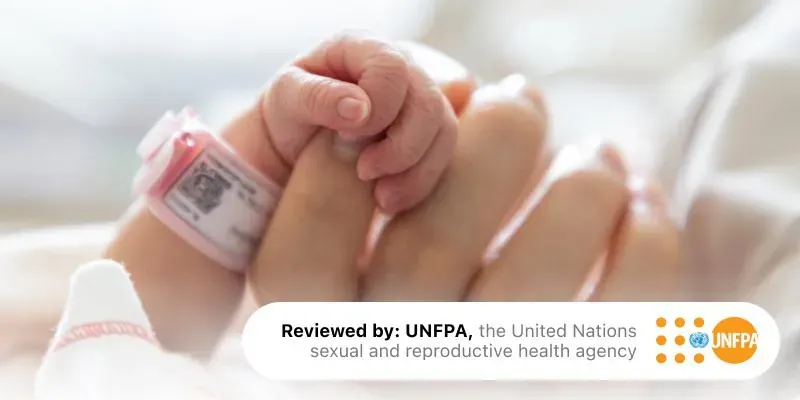
This article was created in association with UNFPA, the United Nations sexual and reproductive health agency.


Not sure how far along you are?

Convert weeks to months, estimate your due date, and follow week-by-week progress.

Open pregnancy calculators
Frequently asked questions

A preterm birth is when a baby is born before 37 weeks of pregnancy. This includes extremely preterm (before 28 weeks), very preterm (28-32 weeks), and moderately preterm (32-37 weeks) categories.

Common causes include previous preterm delivery, placenta previa, multiple pregnancies, preeclampsia, infections, tobacco use, and premature rupture of membranes. Many preterm births occur without a clear cause.

While not all preterm births can be prevented, risk reduction includes regular prenatal care, treating infections promptly, avoiding tobacco, and following your doctor's recommendations. High-risk mothers may receive specialized monitoring and treatments.

Seek immediate medical attention for regular contractions, lower back and abdominal pain, fluid leakage, or bleeding. Early intervention can help manage preterm labor and improve outcomes for mother and baby.

Premature babies often need specialized care in the NICU, including help with breathing, temperature regulation, and feeding. Most premature babies in countries with good healthcare survive and develop normally with proper medical support.

Medical Disclaimer

This article is for informational purposes only and is not a substitute for professional medical advice, diagnosis, or treatment. Always seek the advice of your physician or qualified health provider with any questions you may have regarding a medical condition.

Meet our medical experts

Medically reviewed content

Reviewed by healthcare professionals · Updated September 1, 2024

You might also like

I'm 40+: Vaginal birth or C-section?Pregnancy 1 min

I'm 40+: Vaginal birth or C-section?

Discover how to maintain a healthy pregnancy after 40 and choose between vaginal birth or C-section. Learn risks, benefits, and factors that influence delivery. Get expert guidance now.

c-sectionlabor-and-delivery
Birth of the placenta and cutting of the umbilical cordPregnancy 3 min

Birth of the placenta and cutting of the umbilical cord

Learn what happens during the third stage of labor - placenta delivery and umbilical cord cutting. Understand active vs expectant management options for new parents.

labor-and-delivery
Ready for birthPregnancy 1 min

Ready for birth

Discover popular baby names while preparing for birth at 40+ weeks. Learn about fetal development, newborn reflexes, and choosing the perfect name. Start planning today!

labor-and-delivery
Do I need an enema before giving birth?Pregnancy 1 min

Do I need an enema before giving birth?

Learn why enemas before labor aren't necessary and discover better ways to prepare for delivery. Get expert insights on modern birthing practices.

doctor-visitslabor-and-delivery
Lack of sleep continuesPregnancy 2 min

Lack of sleep continues

Struggling with sleep loss and breastfeeding challenges around month two postpartum? Learn why support systems are crucial for a healthy pregnancy journey and recovery. Get expert tips now.

sleeppostpartum-symptoms
4 post-delivery bodily functions no one talks aboutPregnancy 2 min

4 post-delivery bodily functions no one talks about

Discover the 4 common post-delivery bodily functions healthcare providers rarely mention. Learn about urinary issues, constipation, and bleeding after birth. Get prepared today!

postpartum-symptomslabor-and-delivery
amma app

Your pregnancy on amma

Personalized week by week

get amma free

Track your pregnancy on the go

Rated 4.8417,594 reviews