EN
try amma today
First-trimester mood swings
Article

First-trimester mood swings

2 min readWeek 10
Key takeaways
2 min
  • Understand that estrogen fluctuations affect serotonin levels, causing emotional instability and mood changes during the first trimester.
  • Recognize that progesterone can increase anxiety by activating the brain's fear centers while also causing fatigue and weakness.
  • Expect physical symptoms like nausea, frequent urination, and heartburn to contribute to emotional stress and irritability.
  • Practice self-compassion and remember that first trimester mood swings are completely normal parts of pregnancy.
  • Implement your preferred self-care routines to help manage emotional fluctuations and reduce pregnancy-related stress.

First trimester mood swings are caused by hormonal fluctuations, particularly estrogen affecting serotonin levels and progesterone increasing anxiety. Physical pregnancy symptoms like nausea and fatigue, combined with pregnancy-related stress, also contribute to emotional instability during early pregnancy.

amma app

Track your pregnancy in the app

Personalized content for your pregnancy week

Download App

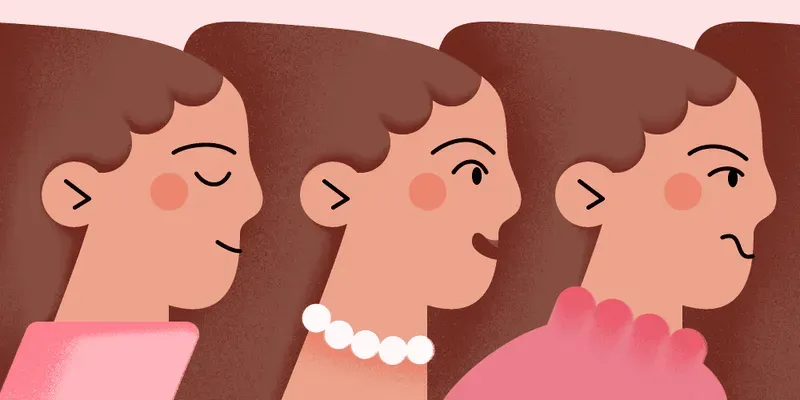
During pregnancy, especially in the first trimester, you may feel overwhelmed by your emotions. First you want to cry, then scream. Everything is annoying and you just want to sleep through it. Here’s what’s happening.

Hormones

You've probably already heard that hormones are to blame for everything. But we will tell you exactly how they work.

  • A lot of estrogen is released early in pregnancy. It is responsible for the formation of blood vessels in the uterus and placenta and the delivery of nutrients to the baby [1].

    But estrogen also has side effects. For example, it affects serotonin concentration. This substance stimulates the transmission of signals along the nerve fibers, and it is also associated with a good mood and a feeling of happiness. When estrogen jumps, serotonin levels are also unstable, and this leads to swings in your emotions [2].

  • Progesterone, another pregnancy hormone, thickens the lining of the uterus and relaxes the muscles of the uterus [3]. Unfortunately, it also expands blood vessels throughout your body and lowers your blood pressure [4]. This can make you feel very weak and drowsy [5].

    Some research suggests that progesterone can also increase anxiety. It activates the amygdala, a region of the brain that is responsible for feelings of anxiety and fear [6].

Physical sensations

However, it's not just hormones. At the beginning of pregnancy, the body behaves unpredictably. Nausea and vomiting, frequent urge to pee, heartburn, constipation, and strange taste sensations are all common in the first trimester. All this can be unnerving and just plain exhausting [7].

It’s kind of difficult to remain calm when you might feel like vomiting at any moment. Trying to be Zen-like throughout a business meeting or on the way to catch a plane when you are juggling all these pregnancy side effects is a challenge to say the least.

Anxiety

Pregnancy is stressful. It can raise worries about your body, possible complications, and childbirth. Pregnancy can also exacerbate problems in relationships with parents as well as bring up old familial traumas [8].

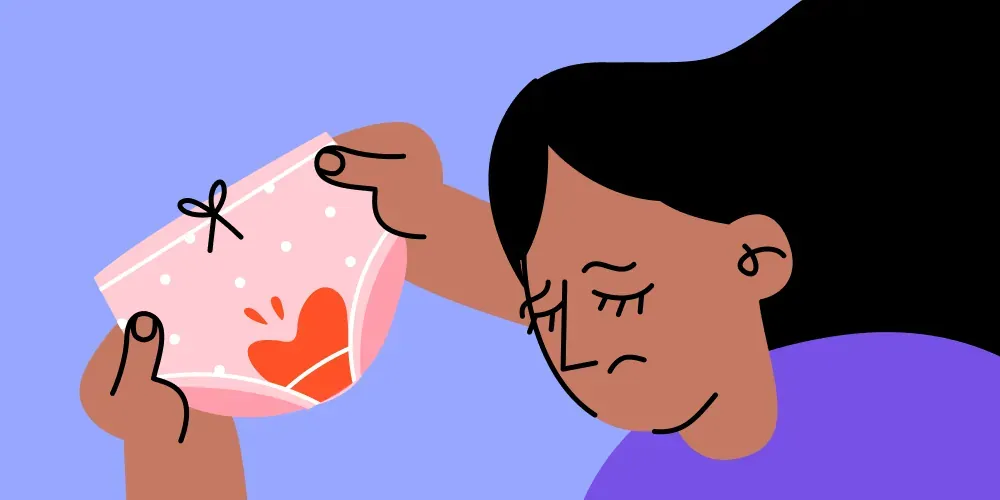
When you experience mood swings, it’s important to remember that they are normal. Be kind to yourself and practice your favorite form of self care.


Frequently asked questions

Yes, mood swings are completely normal during the first trimester of pregnancy. Hormonal fluctuations, particularly changes in estrogen and progesterone levels, naturally cause emotional ups and downs.

First trimester mood swings are primarily caused by hormonal changes, especially fluctuating estrogen affecting serotonin levels and progesterone increasing anxiety. Physical pregnancy symptoms and general pregnancy stress also contribute.

First trimester mood swings typically improve as you enter the second trimester around week 12-14. Hormone levels often stabilize somewhat during this time, leading to better emotional balance.

Practice self-care activities you enjoy, get adequate rest, eat regular meals, and be patient with yourself. Consider talking to your healthcare provider if mood swings feel overwhelming or interfere with daily life.

Medical Disclaimer

This article is for informational purposes only and is not a substitute for professional medical advice, diagnosis, or treatment. Always seek the advice of your physician or qualified health provider with any questions you may have regarding a medical condition.

Meet our medical experts

Medically reviewed content

Reviewed by healthcare professionals · Updated March 25, 2025

Track your pregnancy on the go

Rated 4.8417,594 reviews