
In films and television, childbirth can seem very different than in real life. We usually see a woman pant, push, maybe let out a brief cry, and in the next frame, she is glowing and holding her baby like a pro. But in truth, labor is a process that includes several stages.
Signs that labor is beginning
Your body will give you signs a few days or hours before labor starts. Your cervix will become softer, shorter, and thinner (effaced), and you may notice a thick white or pink vaginal discharge, which is likely the mucus plug that closed the cervix during pregnancy [1, 2].
Some women suddenly find it easier to breathe. That is probably because the baby dropped, and their head has descended into your pelvis. However, many pregnant women, especially those who have already given birth, may not feel the drop (also known as “lightning”) [1].
Every birth is unique. No specific set of signs announces the imminent onset of labor. Sometimes, perceptible signs appear along with the first contractions.
Stages of labor
The process of labor is divided into three stages: cervical dilatation, childbirth, and delivery of the placenta.
First stage
Labor begins with contractions. The uterus begins to contract noticeably, which means the cervix is opening (dilating). You will be fully dilated when your cervical opening reaches 10 centimeters, the space needed for the baby’s head to pass.
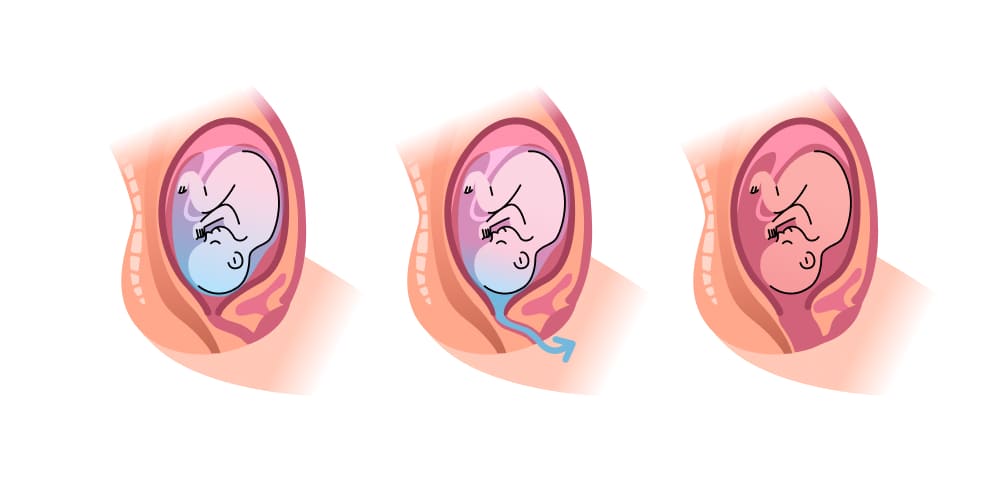
Usually, it takes between eight and twelve hours of labor for the cervix to fully dilate, but it can take up to 20 hours in women who are giving birth for the first time [3]. During this stage, the water may break, which means that the amniotic sac surrounding the baby has lost its tightness. Fluid may leak out in small amounts or in a sudden gush.
Contractions will continue throughout the first stage of labor but will gradually intensify, reaching a peak when the cervix is between eight and ten centimeters dilated. At that point, each wave of contractions lasts between 60 and 90 seconds. You may feel the desire to push, but you will be asked to breathe it out until the cervix is fully dilated [4, 5].
Second stage
At this stage, your baby will move further down the birth canal to enter the world! The process can take anywhere from a few minutes to a few hours, with first-time moms usually taking the longest [5].
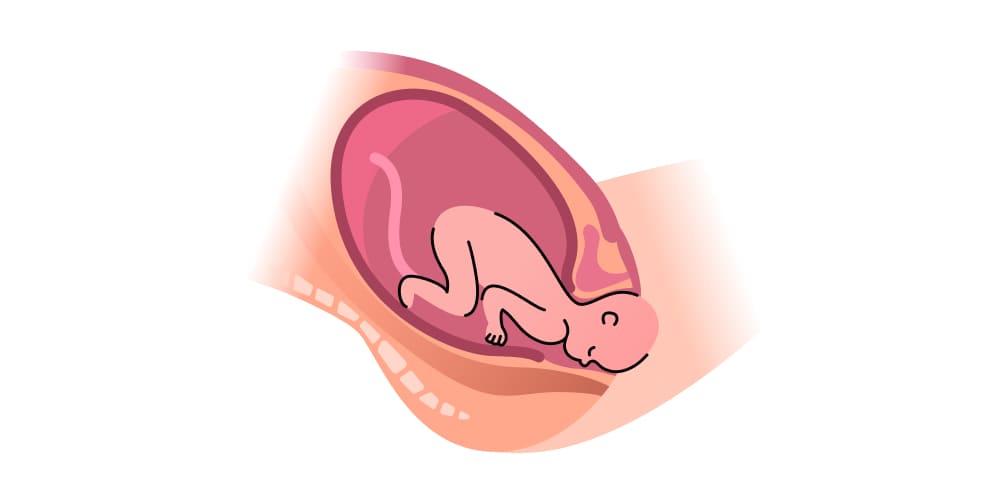
The baby's head will be delivered first, and that tends to be the most difficult part. After a few more contractions and pushes, your baby will be fully delivered and in the hands of your medical team, who will soon place them on your chest. It's time to meet and enjoy your baby for the first time and possibly start nursing!
And what if you have twins? If your second baby is in a good position, they will usually arrive much quicker than the first. If the second baby is in a trickier position, you may need extra help from your doctor or midwife [6].
Third stage
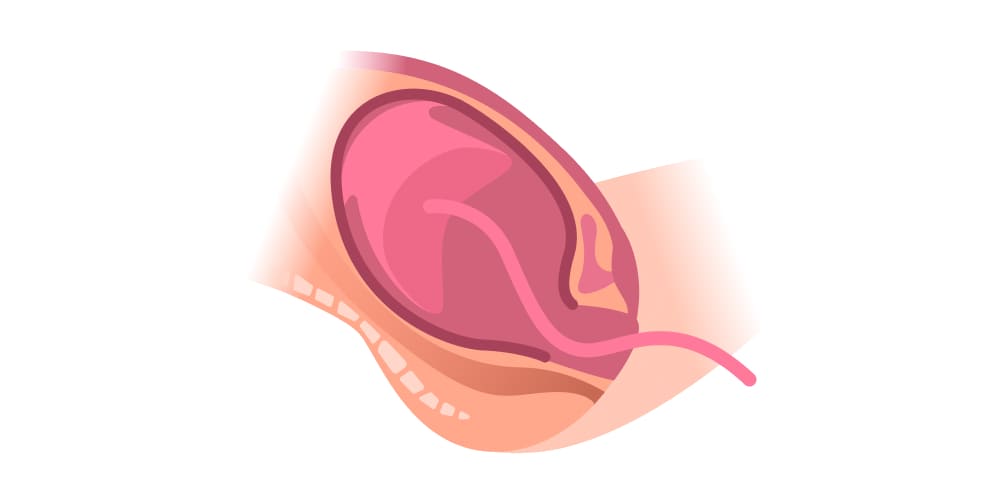
The final stage of labor happens after your baby is born when weaker contractions and some gentle pushing on your part will help your womb deliver the placenta. It typically happens after about 30 minutes but can take up to an hour. The doctor or midwife will check the placenta to see if it is complete, ensuring that no tissue remains in your uterus to prevent infection or bleeding [4].