EN
try amma today
Your may feel discomfort in your belly
Pregnancy

Your may feel discomfort in your belly

2 min readWeek 28
Key takeaways
2 min
  • Eat smaller, frequent meals (up to 6 times daily) and increase water intake to reduce bloating, gas, and heartburn during pregnancy.
  • Sleep on your side with bent legs and a pillow between knees to alleviate back pain caused by weight gain and hormonal changes.
  • Wear low-heeled orthopedic shoes and practice good posture to minimize back strain from your growing belly.
  • Monitor vaginal discharge - light milky discharge is normal, but see your doctor for yellow-green, bloody, or curd-like discharge.
  • Stay hydrated to combat itchy skin, especially when expecting twins, as your body needs extra water for circulation.

Pregnancy belly discomfort includes bloating, gas, constipation, and heartburn caused by your growing baby compressing your stomach and progesterone hormone relaxing digestive muscles. Relief comes through eating smaller frequent meals, staying hydrated, avoiding fatty foods, and maintaining good posture.

amma app

Track your pregnancy in the app

Personalized content for your pregnancy week

Download App

Your may feel discomfort in your belly

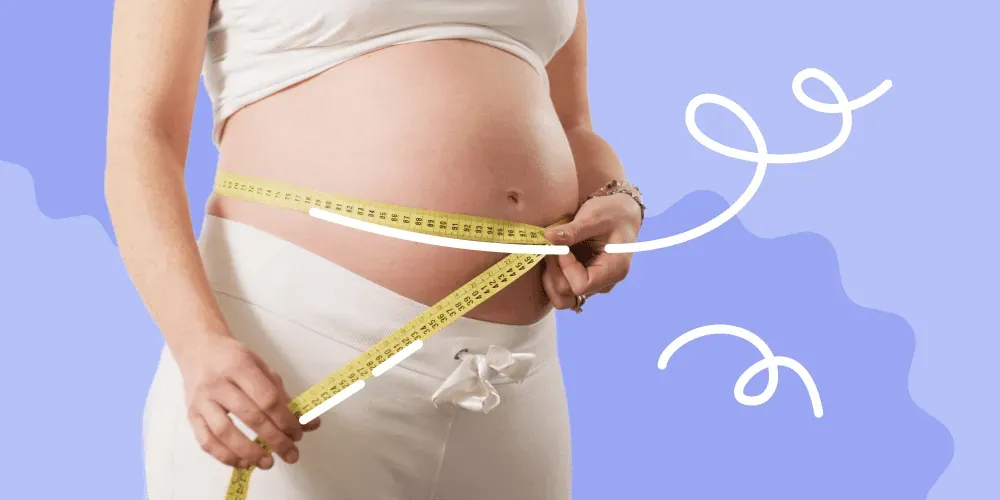
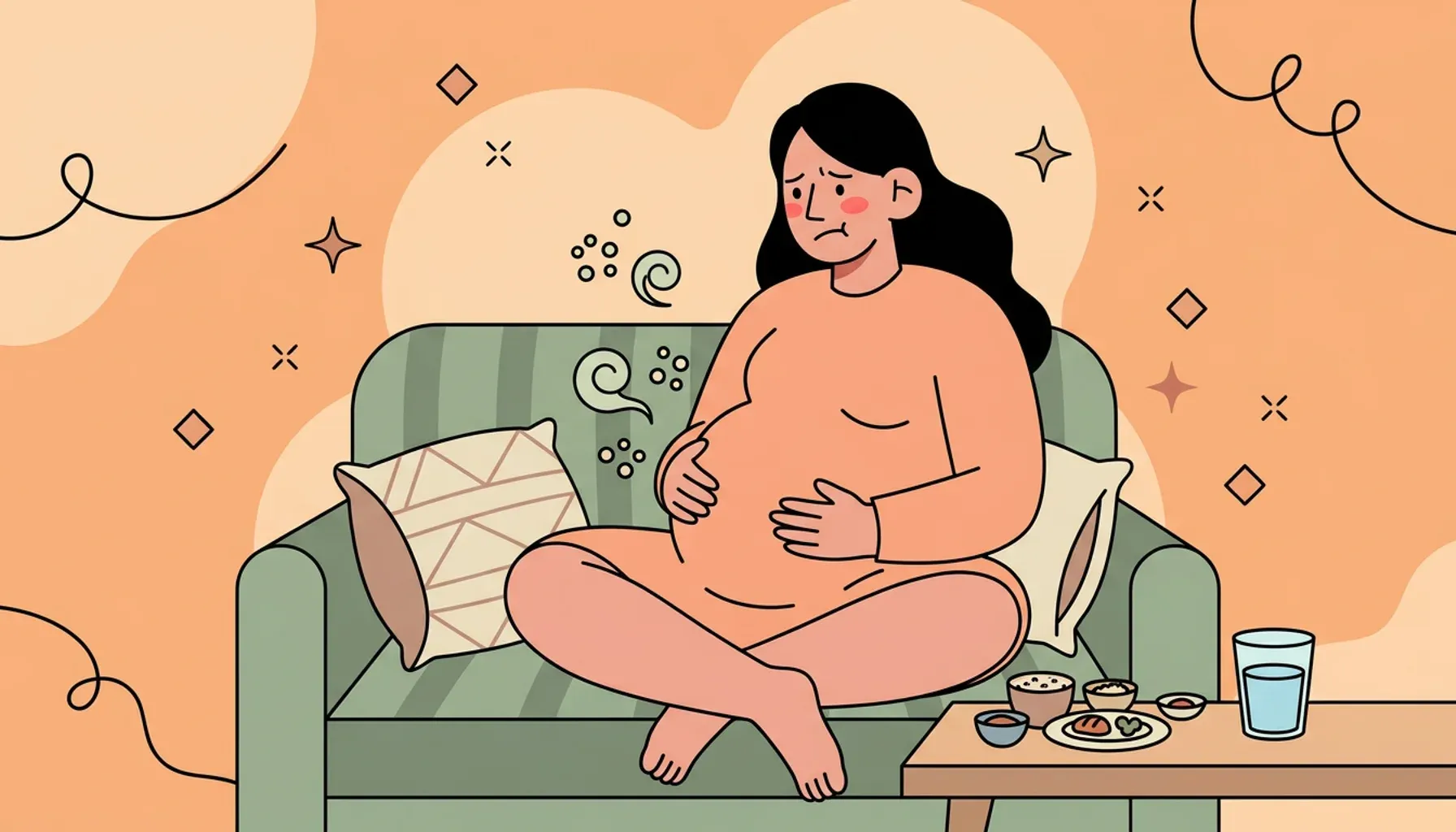
Most likely, you’re now accustomed to your growing belly, but sometimes it can feel especially uncomfortable. Many pregnant women experience bloating, gas, constipation, heartburn, and belching because the stomach is compressed under the baby's weight. Progesterone, a pregnancy hormone that relaxes the muscles of the uterus and digestive organs, is also to blame.

A proper diet can help minimize these symptoms, try to:

  • Eat more often (up to six times a day), but in small portions;

  • Drink more water;

  • Avoid fatty and spicy foods;

  • Eat more vegetables, fruits, and foods high in fiber, such as bread made from whole grains.

Taking a walk after a meal can also help [1, 2]. Make sure to keep your back straight while eating to relieve tension in your stomach.

Expectant mothers at this time often suffer from back pain. The back is strained because of the increased weight in the abdomen and the consequent shift in your center of gravity. Your hormones can also cause a decrease in muscle tone, which can contribute to back pain [3].

You can relieve the pain by wearing low-heeled orthopedic shoes and doing posture exercises. While sleeping, avoid lying on your back. The best position is on your side with your legs bent. You can also put a pillow between your knees to make yourself more comfortable [4].

During this stage of pregnancy, many women will find out from their partners that they are snoring. This is because pregnant women often experience swelling of the nasal mucosa, the tissue inside the nose, and a narrowing of the nasal passages. Don’t worry, and maybe buy your partner some earplugs [1]!

If you are expecting twins

Itchy skin may be an issue now and it can be caused by excessive dryness of the skin. In order to provide two babies with everything they need, your circulatory system is handling an increased load and is forced to borrow water from all available sources. Try to drink more water, sometimes it's enough to make you feel better.

Discharge

Light milky discharge with uniform consistency and a mild smell is considered normal. If you notice yellow-green, curd-like, or bloody discharge, see your doctor [5].



Frequently asked questions

Pregnancy belly discomfort is caused by your growing baby compressing your stomach and the hormone progesterone relaxing digestive muscles. This leads to bloating, gas, constipation, and heartburn.

Sleep on your side with a pillow between your knees, wear low-heeled supportive shoes, and practice good posture. Avoid lying on your back and do gentle posture exercises.

Yes, snoring is common during pregnancy due to swelling of nasal passages and narrowed airways. This is normal and usually temporary during pregnancy.

Normal pregnancy discharge is light, milky white with uniform consistency and mild smell. Contact your doctor if discharge becomes yellow-green, bloody, or curd-like.

Increase your water intake beyond normal amounts, especially if experiencing bloating or itchy skin. Adequate hydration helps with digestion and circulation during pregnancy.

Medical Disclaimer

This article is for informational purposes only and is not a substitute for professional medical advice, diagnosis, or treatment. Always seek the advice of your physician or qualified health provider with any questions you may have regarding a medical condition.

Meet our medical experts

Medically reviewed content

Reviewed by healthcare professionals · Updated August 12, 2025

Track your pregnancy on the go

Rated 4.8417,594 reviews