Gestational diabetes, gestational hypertension, gestational pyelonephritis, preeclampsia — many of the diseases that develop during pregnancy can be improved through nutrition. Nutrition is perhaps the only controllable factor in the development of these conditions. While we can’t change our genetics, we do have control over what we eat.
Are there therapeutic diets for diseases experienced during pregnancy?
Diet won’t cure a disease like gestational diabetes once it has developed. But good eating habits can delay its onset or slow down its development, helping mama to avoid complications and give birth to a baby on time. Even if diabetes and hypertension cannot be prevented, it is possible to minimize their complications [1, 2].
Why can't I just eat a balanced diet like I did before pregnancy?
All diseases that are "gestational" in nature develop during the second half of pregnancy, when a critical mass of changes accumulates [3]:
The filtration rate in the kidneys increases by 50–80%. Because of this, the kidneys increase in size and more actively remove glucose. This can provoke the development of both pyelonephritis and diabetes.
The blood plasma volume is increased by 50%. First, it creates an increased load on the vessels (that is, the pressure rises). And secondly, the percentage of hemoglobin in the blood decreases (which means anemia develops).
The stomach moves upward and is compressed by the growing uterus. As a result, digestive processes are disrupted: heartburn, constipation occur and the absorption of nutrients slows down.
Only a balanced diet can safely compensate for these changes. But the increased stress on the body means a balance during pregnancy is different from a balanced diet before pregnancy.
How should I change my diet?
Here are some guidelines for healthy eating during pregnancy:
Avoid dehydration — your kidneys are working so hard right now. Staying hydrated helps them do their job.
Eat foods containing iron or take supplements — so that hemoglobin does not decrease.
Switch to fractional meals; that is, eat smaller meals more frequently, so that the stomach can accommodate and digest everything useful.
To reduce blood pressure, the DASH diet (Dietary Approaches To Stop Hypertension) is widely promoted. It has been adapted specifically for pregnant women and called Mama-DASH [4].
What’s the Mama-DASH diet?
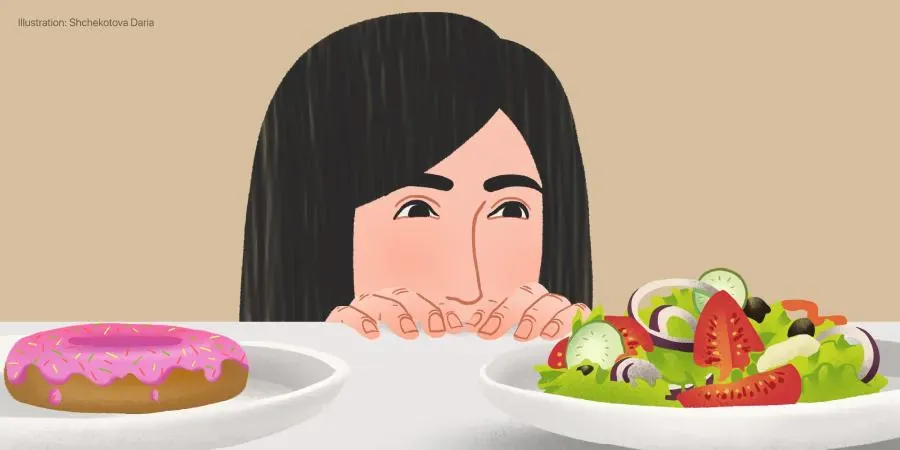
The idea behind the DASH diet is to reduce the amount of animal fats and, if possible, completely abandon sweets and processed meat (sausages, sausages, ready-made burgers).
Instead get your protein from:
fish and poultry without skin;
lean meat;
low fat dairy products;
vegetable proteins (mainly legumes).
Healthy sources of carbohydrates include
whole grains;
whole wheat bread;
fruits and vegetables;
low-fat dairy products (yes, they fall into both groups).
You can use small amounts of vegetable oil.
The three basic rules for remain: eat small meals frequently, drink more fluids, and take iron if necessary. Studies have shown that mama-DASH, oddly enough, does not affect gestational hypertension, but reduces the likelihood of caesarean section, gestational diabetes [2] and severe preeclampsia [5].