EN
try amma today
Will my heartburn ever end?
Pregnancy

Will my heartburn ever end?

2 min readWeek 20
Key takeaways
2 min
  • Expect heartburn to affect up to 80% of pregnant women by the third trimester, but it disappears completely after childbirth.
  • Understand that pregnancy hormones and your growing uterus cause stomach acid to rise into the esophagus, creating the burning sensation.
  • Choose calcium or magnesium-based antacids for safe, effective relief that may also help reduce preeclampsia risk.
  • Use antacids only when heartburn occurs rather than on a preventive schedule, following your doctor's guidelines.
  • Focus on proven remedies like antacids since common dietary advice lacks strong clinical evidence for effectiveness.

Pregnancy heartburn ends after childbirth when hormone levels normalize and uterine pressure is removed. Nearly 80% of pregnant women experience heartburn by the third trimester, but it causes no lasting complications and resolves naturally postpartum.

amma app

Track your pregnancy in the app

Personalized content for your pregnancy week

Download App

By the third trimester, almost 80 percent of expectant mothers will experience heartburn [1]. It is not a dangerous condition, is not associated with any complications, and goes away by itself after childbirth. But it can be very uncomfortable. 

What is heartburn?

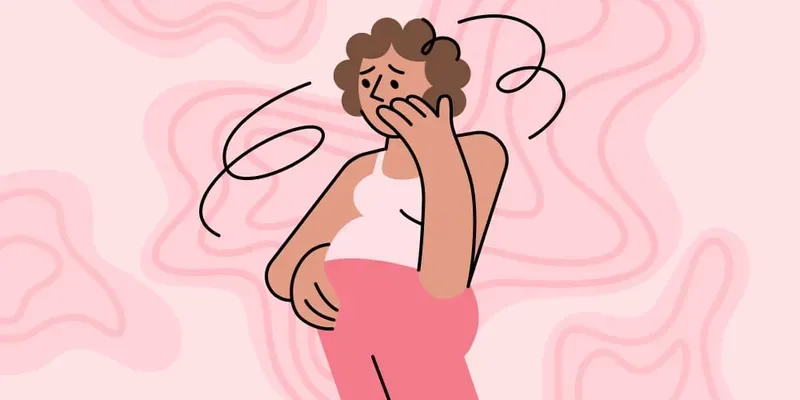
The condition can be described as a burning sensation behind the breastbone, sometimes rising to the throat. Coughing in response to the irritation is a common side effect. Most pregnant women experience heartburn after waking up or immediately after eating.

What causes heartburn?

During pregnancy, the two main causes behind heartburn are hormones and your growing uterus. Hormones cause the valve between the esophagus and the stomach to relax, and your growing baby bump causes pressure from below. As a result, acid is pumped from the stomach up to the esophagus. The stomach has a membrane that protects its walls from acid, but the esophagus does not, resulting in the dreaded burning sensation. Since this type of heartburn disappears after giving birth, it usually doesn’t cause any lasting or serious side consequences [1].

How can I get some relief?

Pregnant women suffering from heartburn are often advised to give up things like coffee and fatty, sweet, and spicy foods. They are also told to eat smaller and more frequent meals. Common recommendations include keeping the upper body slightly elevated during sleep with an extra pillow or a wedge-shaped pillow so that gravity can help keep the stomach acids from rising. Unfortunately, clinical studies have not confirmed the effectiveness of these suggestions [2].  

Antacids can be effective at reducing heartburn. They help neutralize acid and significantly reduce the burning sensation [2]. Most antacids are safe to take during pregnancy because they do not affect the baby, but researchers recommend choosing antacids made of calcium or magnesium because these trace elements can also reduce the risk of preeclampsia [2].

Should antacids be taken regularly?

Antacids don’t have to be taken on a schedule because they do not help prevent the condition; they simply relieve the burning sensation when it occurs. So use them only when you get heartburn and within the guidelines given by your doctor.
Frequently asked questions

Pregnancy heartburn typically disappears completely after childbirth. Since hormones and the growing uterus cause pregnancy heartburn, delivery resolves both underlying causes naturally.

Calcium and magnesium-based antacids are the safest options during pregnancy. These not only neutralize stomach acid effectively but may also help reduce the risk of preeclampsia.

Nearly 80% of expectant mothers experience heartburn by the third trimester. It's a very common pregnancy symptom that causes no lasting complications.

Pregnancy hormones relax the valve between the esophagus and stomach, while the growing uterus creates upward pressure. This combination allows stomach acid to rise into the unprotected esophagus, causing burning sensations.

Medical Disclaimer

This article is for informational purposes only and is not a substitute for professional medical advice, diagnosis, or treatment. Always seek the advice of your physician or qualified health provider with any questions you may have regarding a medical condition.

Meet our medical experts

Medically reviewed content

Reviewed by healthcare professionals · Updated March 25, 2025

Track your pregnancy on the go

Rated 4.8417,594 reviews