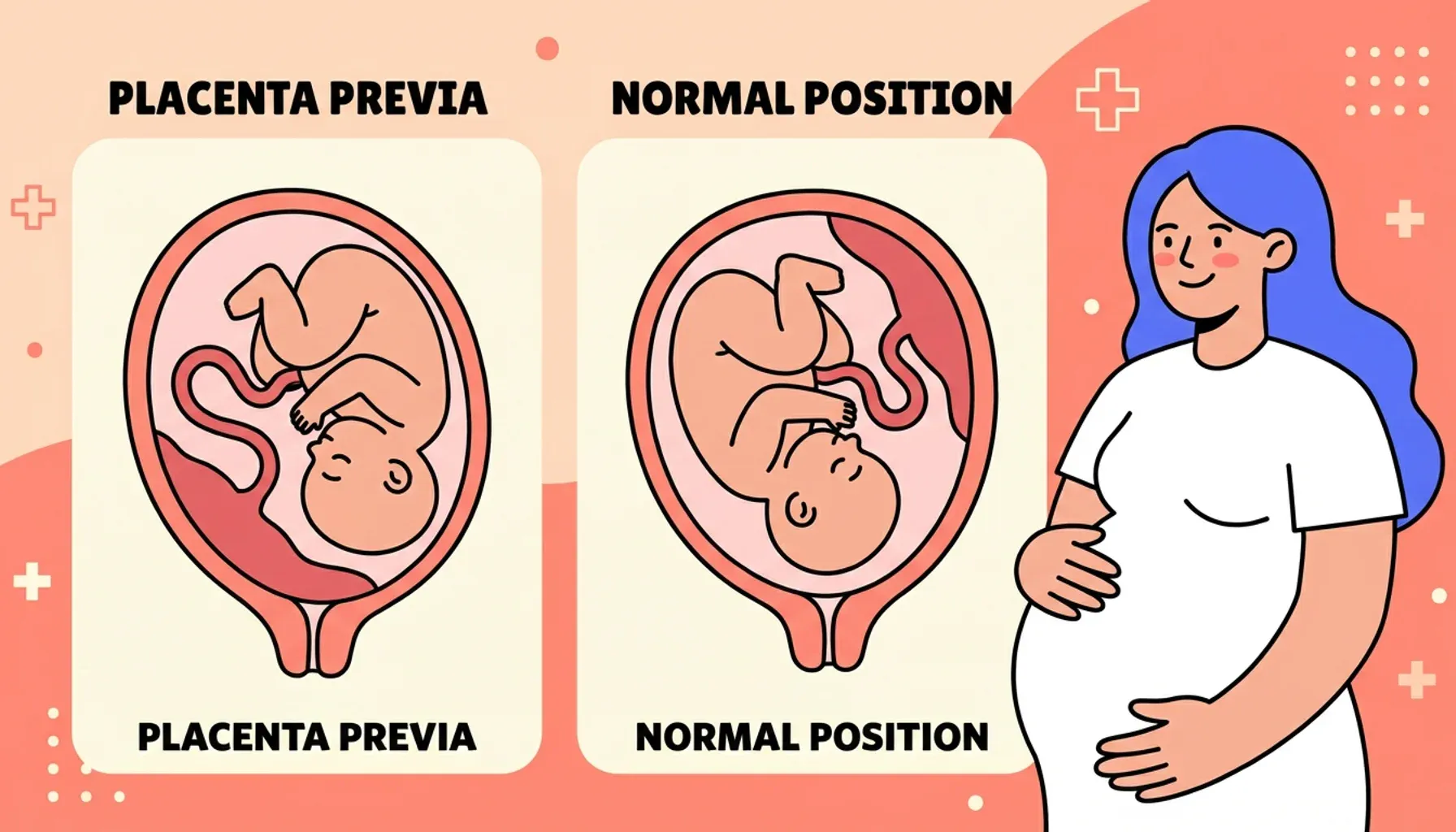

One of the important things doctors check for during a second-trimester ultrasound is the position of the placenta. Placenta previa and a low-lying placenta are two conditions that will need close monitoring. However, the results of the second-trimester ultrasound don’t necessarily constitute a diagnosis.
Is a low-lying placenta and placenta previa the same thing?
A low-lying placenta is located two centimeters or closer to the opening of the cervical opening but does not cover it, and in 9 out of 10 cases, it resolves on its own by the time a woman gives birth [3]. In cases of placenta previa, the placenta blocks the opening to the birth canal partially or completely, and will most likely require delivery by cesarean. A placenta located two centimeters above the cervical opening or more is considered normal [1].
What happens if I am diagnosed with placenta previa?
The second-trimester screening is probably too early for a placenta previa diagnosis. If the placenta is close to the opening of the cervix, an additional ultrasound will be scheduled at week 32 to see how things have progressed [2]. As the uterus grows and its walls stretch, the placenta may shift farther from the opening or, conversely, closer to it.
If by week 32 of pregnancy, the placenta is two centimeters or less from the opening of the cervix, your doctor will discuss your options with you [2].
Why does placenta previa require special treatment?
A baby can not be delivered vaginally if the opening to the birth canal is blocked by the placenta. A low-lying placenta can also increase the risk of bleeding.
If a woman has both a placenta previa and a short cervix, then the risk of premature birth is greater. Therefore, during the last trimester, additional ultrasounds may be necessary, or her doctor may suggest hospitalization to provide medical supervision at all times [2].
What can I do if I have placenta previa?
A placenta previa diagnosis does not mean bed rest or limited activity, as it can do more harm than good [2]. However, sex should be avoided altogether, as both penetration and orgasm (which makes the uterus contract) can lead to bleeding [1]. In case of a placenta previa diagnosis, your doctor will provide you with specific indications.
If you have additional risk factors, and your doctor suggests hospitalization, there is probably no two ways about it. In the best of circumstances, you should be prepared to head to the hospital immediately if you notice bleeding [1, 2].
When should a C-section be scheduled for placenta previa?
A cesarean section may be scheduled between weeks 36 and 37 if:
there is bleeding after the 29th week of pregnancy;
the expectant mother has a cervix that is shorter than 2 cm;
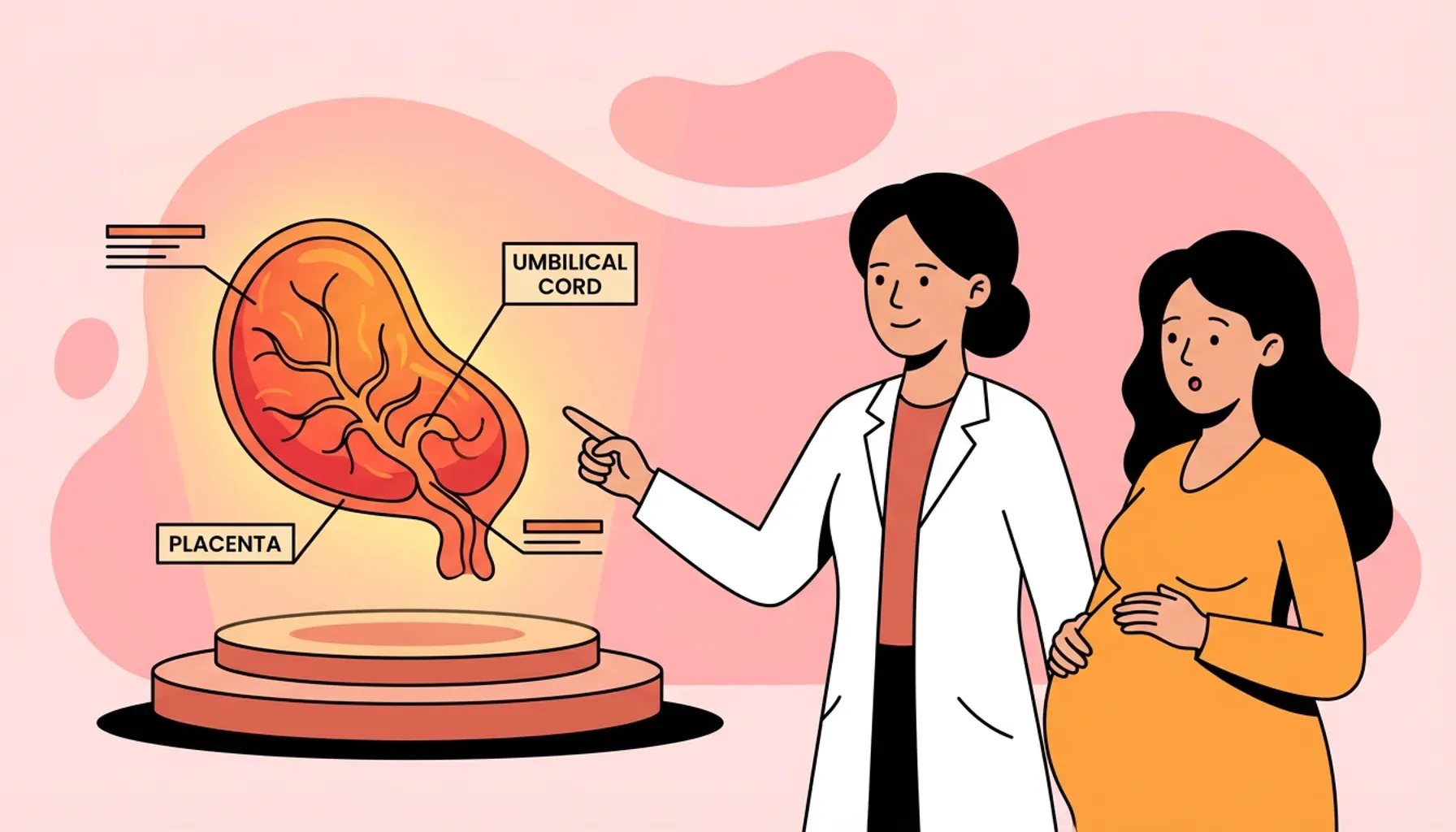
the umbilical cord is close to the cervix.
If none of these additional risk factors are present, the operation will likely be scheduled between weeks 37 and 38 [2]. With placenta previa, continued pregnancy can be more dangerous than slight prematurity [1].
Do the same rules apply to a low-lying placenta?
With a low-lying placenta, your doctor can plan a cesarean a week later, around week 39.
Is there a chance of giving birth vaginally with a low-lying placenta?
If the distance from the edge of the placenta to the opening of the uterus is more than one centimeter, and there are no additional risk factors, then natural childbirth may be an option. However, an emergency C-section can not be excluded.