EN
try amma today
The dangers of Rh incompatibility
Pregnancy

The dangers of Rh incompatibility

2 min readWeek 23
Key takeaways
2 min
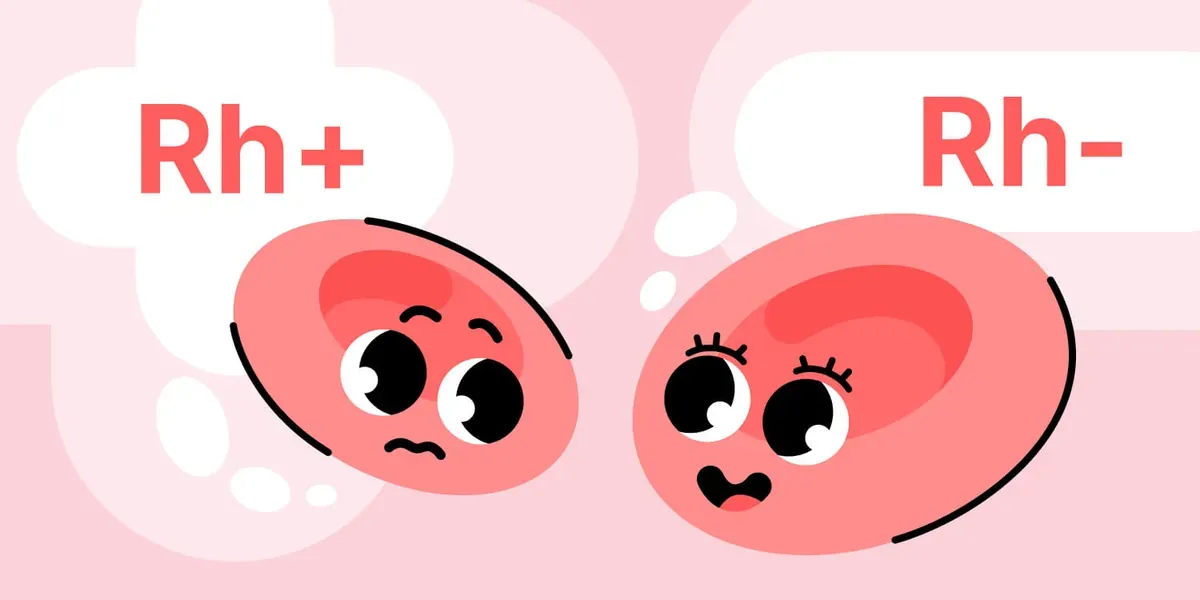
  • Understand that Rh incompatibility occurs when an Rh-negative mother carries an Rh-positive baby, potentially causing hemolytic disease.
  • Know that the first pregnancy is usually safe, but antibodies formed can threaten future pregnancies if untreated.
  • Receive anti-Rh immunoglobulin injections after childbirth, miscarriage, or certain procedures to prevent antibody formation.
  • Monitor your pregnancy closely with regular Doppler ultrasounds if Rh antibodies are detected in your blood.
  • Discuss your Rh factor with your doctor early in pregnancy to develop an appropriate management plan.

Rh incompatibility occurs when an Rh-negative mother carries an Rh-positive baby, causing her immune system to produce antibodies that attack the baby's blood cells. This condition is preventable with RhoGAM injections and manageable through careful monitoring during pregnancy.

amma app

Track your pregnancy in the app

Personalized content for your pregnancy week

Download App

How to avoid hemorrhoids

According to statistics, hemorrhoids occur in 7.7% of women who aren’t pregnant, but it develops in 25% of pregnant women and almost 50% of women in labor. The main cause of hemorrhoids in pregnant women is hormonal changes and increased intra-abdominal pressure [1].

The problem is that none of the common and effective anti-hemorrhoid treatments have been evaluated for safety in pregnancy. While it’s unlikely that the ingredients of ointment or suppository treatments will harm a child in the third trimester, it has not been confirmed in clinical trials. Therefore, diet remains the best method for preventing and treating hemorrhoids during pregnancy. To avoid hemorrhoids through diet, mamas must increase their fibers and fluids [1].

Some gynecologists also recommend excluding spicy foods. Although there are studies that prove the benefits of spices (especially hot spices) can improve bowel function and prevent hemorrhoidal bleeding [2].

Small changes will help you increase the amount of fiber in your diet significantly [3]:

  • Eat whole grain bread instead of white. Or even better, eat whole grains like brown rice instead of bread.

  • Eating potatoes with the peel — look up recipes for jacket potatoes.

  • Eat vegetables with every meal, as a main course or side dish.

  • Eat nuts (such as hazelnuts and almonds) and vegetable slices (such as carrots, celery, raw zucchini) as a snack.

  • Drink whole-fruit smoothies instead of juices.

Frequently asked questions

Rh incompatibility occurs when an Rh-negative mother is pregnant with an Rh-positive baby. This can cause the mother's immune system to produce antibodies that attack the baby's blood cells, leading to hemolytic disease.

The first pregnancy is typically safe because antibodies haven't formed yet. However, blood mixing during delivery or certain procedures can create antibodies that threaten future pregnancies.

Treatment includes RhoGAM (anti-Rh immunoglobulin) injections to prevent antibody formation. If antibodies are present, regular monitoring with Doppler ultrasounds and possible in-utero treatments may be needed.

RhoGAM is typically given around 28-30 weeks of pregnancy and within 72 hours after delivery. It's also given after miscarriage, abortion, or certain prenatal procedures.

Rh incompatibility doesn't cause birth defects but can lead to hemolytic disease, causing anemia, jaundice, and in severe cases, heart failure or brain damage in the baby.

Medical Disclaimer

This article is for informational purposes only and is not a substitute for professional medical advice, diagnosis, or treatment. Always seek the advice of your physician or qualified health provider with any questions you may have regarding a medical condition.

Meet our medical experts

Medically reviewed content

Reviewed by healthcare professionals · Updated March 25, 2025

Track your pregnancy on the go

Rated 4.8417,594 reviews