EN
try amma today
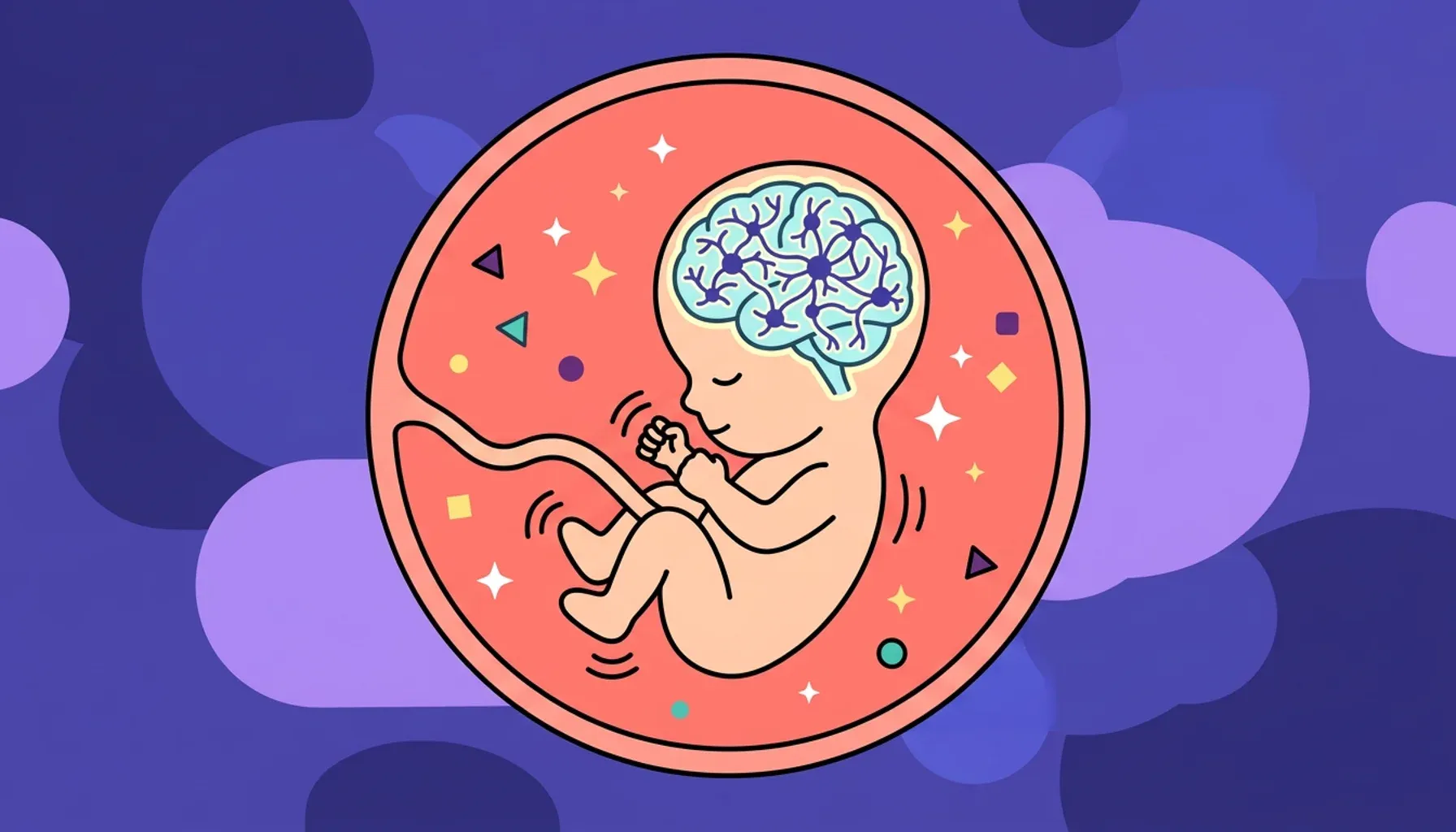
The baby’s brain and higher nervous functions are developing
Pregnancy

The baby’s brain and higher nervous functions are developing

2 min readWeek 28
Key takeaways
2 min
  • Track your baby's brain development as the cerebral cortex matures and higher nervous functions develop during the second trimester.
  • Understand that fetal brain growth is asymmetrical, with the left hemisphere typically developing larger than the right in most babies.
  • Monitor lung development knowing they won't be fully mature until week 36, while the digestive system forms but needs time to function.
  • Expect skin pigmentation to begin in the third trimester and continue through the first year after birth.
  • Prepare for potential cesarean delivery if carrying twins who haven't turned head-down due to limited uterine space.

Early pregnancy signs include missed periods, breast tenderness, nausea, and fatigue appearing 1-2 weeks after conception. During pregnancy, the baby's brain develops continuously, with the cerebral cortex maturing and higher nervous functions forming throughout the second trimester.

amma app

Track your pregnancy in the app

Personalized content for your pregnancy week

Download App

The baby’s brain and higher nervous functions are developing

The baby’s development is non-stop. Thanks to the accumulation of subcutaneous fat, the baby is becoming plumper with nice, rounded cheeks [1].

The digestive system is already formed, but it will take time for it to function fully. The lungs are not mature enough to work on their own, they will be fully developed by week 36 [2, 3].

The maturation of the baby’s cerebral cortex and related higher nervous functions continues. An interesting fact is that the baby’s brain grows unevenly. In most unborn babies, the left hemisphere is larger than the right [4, 5].

While the layer of protective lubricant that covers the baby’s body becomes thicker [6], the skin is still very thin and transparent. At this age, the skin remains colorless, and we can see the blood vessels through it. Genetic skin pigmentation will begin in the third trimester. This process will continue after birth, up through the first year of life. But in the womb, all babies tend to look the same, regardless of their parents’ skin color [7].

If your partner is expecting twins

The babies are now pretty cramped inside the uterus. It's getting harder for them to roll over. If either of them is not in the “head down” position, the doctor may start to plan a cesarean section. With such limited space, there is little chance that they will be able to turn.

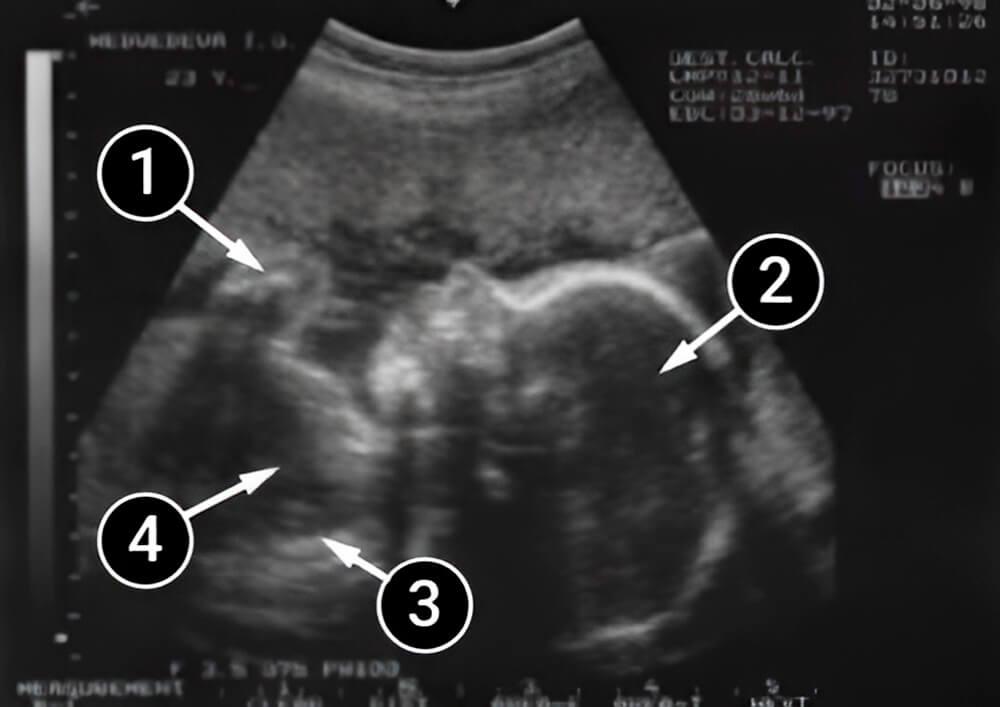
What we can see on an ultrasound

The picture shows the baby’s head. Their nose, ear, and upper and lower jaws are also visible. The white arches in the head area are the frontal and occipital bones. You can see the arms bent at the elbows and folded towards the chest. Below, you can see the spine, which looks like a white strip. The dark area in the chest is the heart.
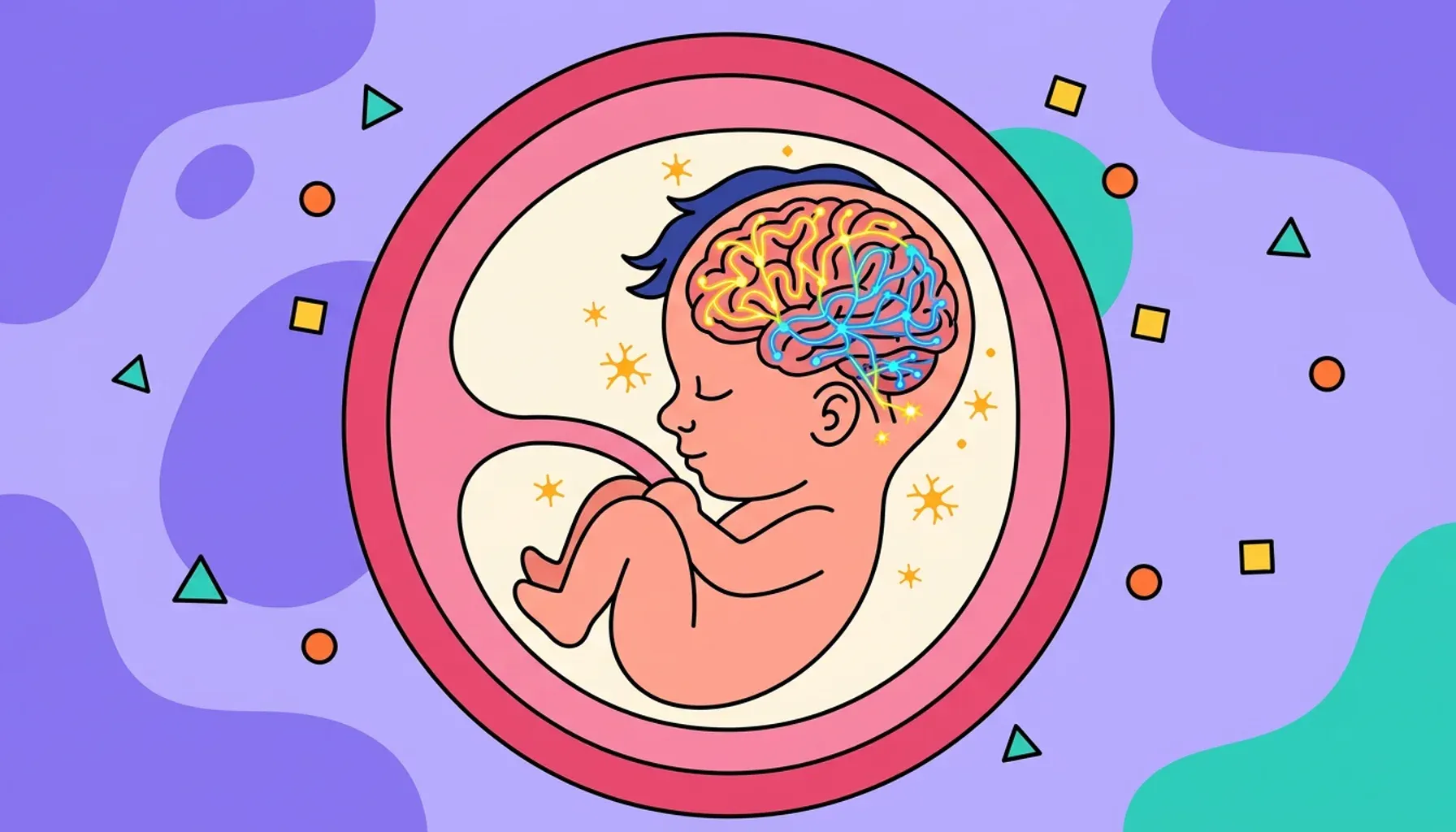
The baby’s brain and higher nervous functions are developing - The baby’s brain and higher nervous functions are developing
Frequently asked questions

The earliest signs of pregnancy include missed periods, breast tenderness, nausea, fatigue, and frequent urination. These symptoms typically appear 1-2 weeks after conception as hormone levels rise.

A baby's brain begins developing around week 3 of pregnancy. The cerebral cortex and higher nervous functions continue maturing throughout pregnancy, with significant development occurring in the second trimester.

Regular prenatal checkups and ultrasounds help monitor normal development. Your doctor will track growth milestones, brain development, and organ formation to ensure healthy progress.

Genetic skin pigmentation begins in the third trimester of pregnancy. This process continues after birth through the first year of life, which is why all babies appear similar in color during early development.

Second trimester ultrasounds typically show the baby's head, facial features, spine, heart, and limbs clearly. You can often see the baby's nose, ears, and jawbones, plus arms folded toward the chest.

Medical Disclaimer

This article is for informational purposes only and is not a substitute for professional medical advice, diagnosis, or treatment. Always seek the advice of your physician or qualified health provider with any questions you may have regarding a medical condition.

Meet our medical experts

Medically reviewed content

Reviewed by healthcare professionals · Updated September 6, 2024

Track your pregnancy on the go

Rated 4.8417,594 reviews