
Take care of yourself
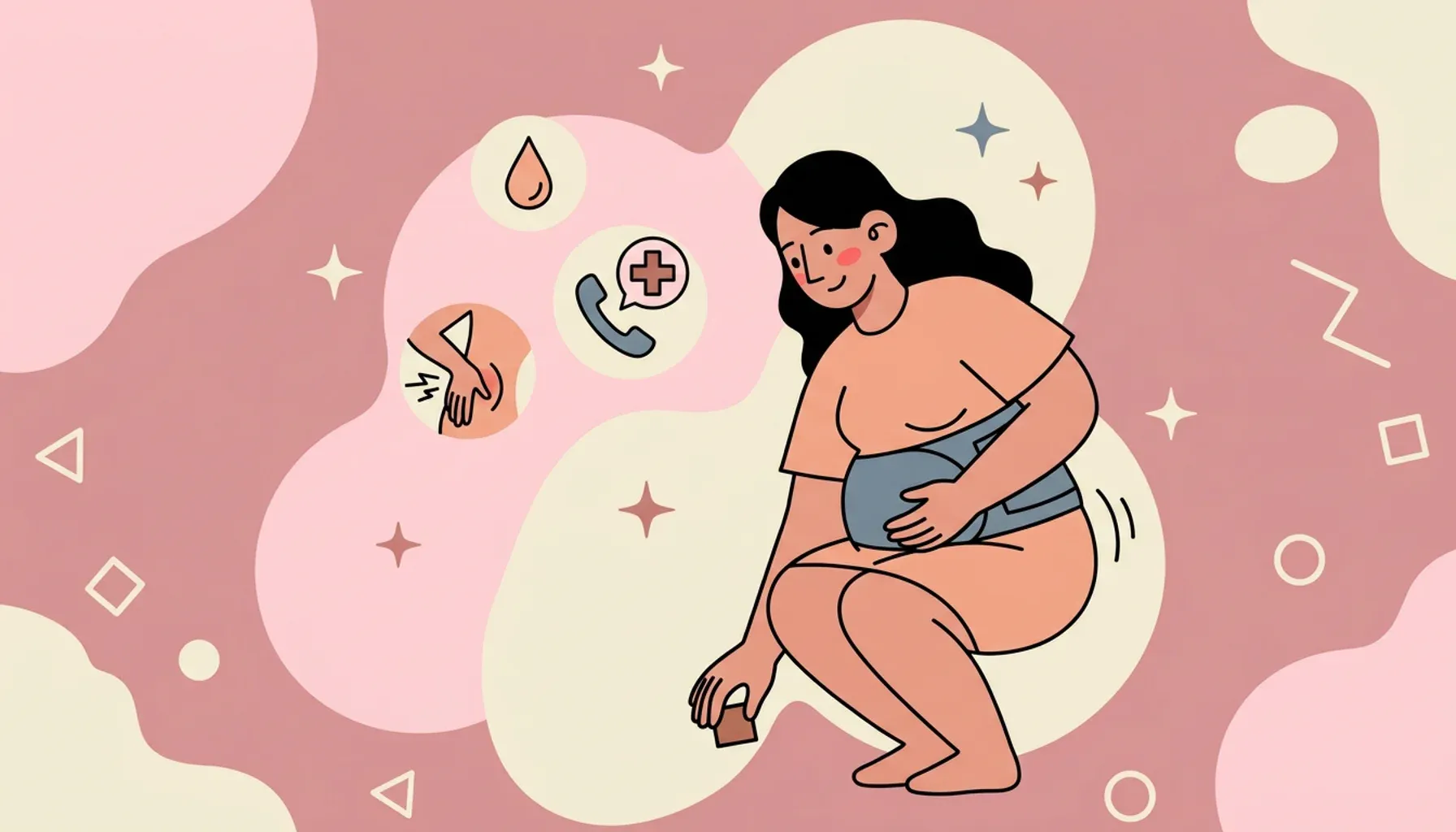
Your belly is growing quickly, and so is your baby. For you, bending, squatting, and doing many everyday things is getting more challenging. Try not to overload yourself at work or home. Let someone else carry those boxes or put away your groceries!
As your center of gravity shifts, your spine bears more of a load. Your posture also shifts and you may experience lower back pain [1]. Changing some of your everyday habits can help protect your back.
Make sure to bend at the knees when picking something off the floor. When you turn or look behind you, use your whole body including your legs. When sitting, keep your back straight and use a pregnancy pillow. Wear flat shoes and use an orthopedic mattress when sleeping. Massages and a warm bath can help with back pain [2].
At this stage, you may feel pain in the center of your abdomen or on your upper right side. This pain may indicate the stagnation of bile or the formation of gallstones. These conditions are not uncommon during pregnancy, since expectant mothers have decreased gallbladder motility and high cholesterol levels are often observed in bile [3].
For abdominal pain, consult your doctor. To prevent gallbladder problems, eat a healthy, varied diet, limit fatty foods, and don’t skip meals [4].
Some expectant mothers may feel heaviness or pressure in the lower abdomen. These sensations can be associated with problems in the cervix. Only a doctor can determine the cause of painful symptoms based on examination and ultrasound, so do not delay your appointment [5].
Watch out for high blood pressure, especially when combined with swelling of the legs, arms, and face. The combination of these symptoms, along with high protein in the urine, may indicate preeclampsia [6].
If you are expecting twins
In general, it is believed that if children have different placentas, then the pregnancy is not high risk and will develop almost the same as a single pregnancy. With one important exception: two placentas means twice the probability of preeclampsia. Therefore, mothers need to regularly take their blood pressure and go to their doctor’s appointments in a timely manner. You may want to consider getting a blood pressure monitor to have at home.
Discharge
Yellow-green mucopurulent or curd-like discharge is a sign of infection in the genital tract. It may be necessary to have a pap smear and blood test. If you experience heavy or bloody discharge, call your doctor [7]. Watery discharge may indicate leakage of amniotic fluid, so consult your doctor right away in this case too [8].