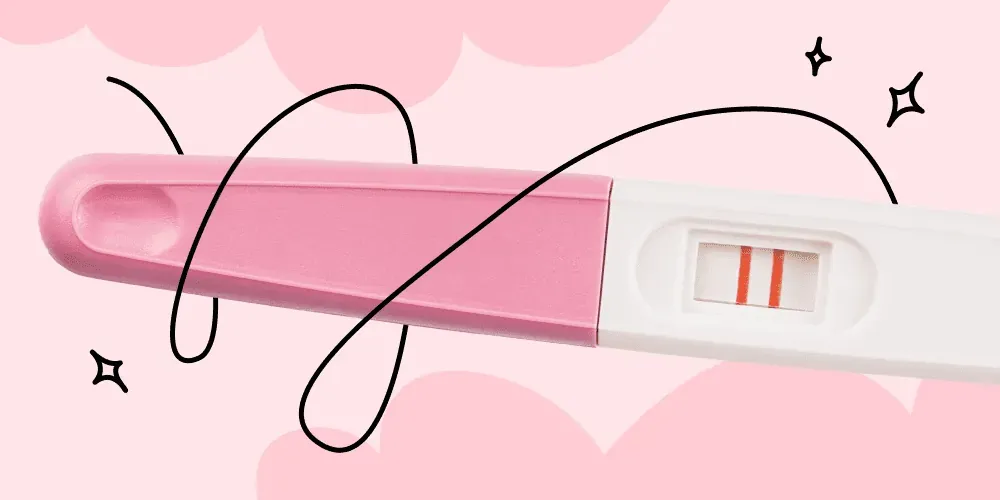

The usual recommendation is to take the test between the tenth and fourteenth day after the embryo is placed in the uterine cavity, which gives enough time for the hCG (human chorionic gonadotropin hormone) to reach a detectable concentration. HCG is the main indicator of pregnancy, and it can be traced in both blood and urine [1]. Home pregnancy tests check for HCG levels in the urine.
Do mistakes happen?
Unfortunately, mistakes happen, as rapid home tests can produce unreliable results. For example, some of the drugs prescribed to women as part of IVF already contain chorionic gonadotropin [2]. Traces of HCG can be present in the blood and urine for quite a long time, which may lead to a false positive result. On the other hand, if a woman takes the test too early, her rising hCG levels may still be undetectable [2].
What should I do if the test is negative after embryo transplantation?
Repeat the test in a few days. You can also use another brand or type of test, as some are more sensitive than others. It is also essential that you follow the instructions carefully:
use the first-morning urine for testing;
do the test at room temperature;
respect the required time when taking the test and waiting for the results (times may vary from brand to brand).
Are there other methods that can help determine if the procedure was successful?
A blood test for hCG will produce a more reliable result than a home test [3]. An ultrasound is even better. It is usually ordered 21 days after the transfer of the embryo. With the help of the ultrasound machine, your doctor will be able to accurately confirm pregnancy, while checking if everything is in order (where the embryo has attached, rule out ectopic pregnancy, and other markers of pregnancy evolution). In any case, consult with your attending doctor whether you should do a home pregnancy test or go in for an HCG blood test or an ultrasound.