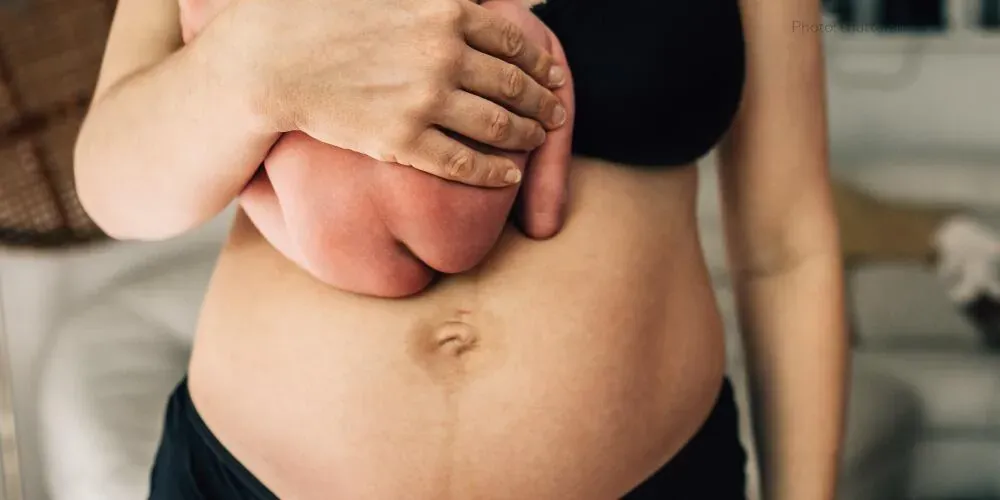

There are a number of reasons why a cesarean (C-section) may be the best delivery method for both mother and baby. However, a common belief is that once someone has had a C-section, they'll need to have a C-section again for all future births, which isn't true. Let’s cover the details and nuances of giving births after having a C-section.
Can I give birth vaginally after a C-section?
If there are no other reasons for a C-section other than you have had one before, you may be able to give birth vaginally this time around. A C-section will be necessary if you have any of the following scarring issues:
a marked, thick scar on the uterus (as the tissue does not stretch well);
a longitudinal scar on the uterus;
two or more scars on the uterus;
the placenta is attached to the uterine scar.
How do we determine details about my uterine scarring?
Your doctor can use a Doppler ultrasound to assess the thickness of the scar, its structure, and other features. Should there be any concerns the doctor can make the appropriate arrangements.
What if I want a C-section because of scarring, but my doctor wants me to give birth vaginally?
If you previously had a C-section and are more comfortable delivering by C-section again, your doctor must defer to your decision. You are the best person to know what is best for your body. Of course your doctor may want to advise you based on a medical standpoint, but the ultimate decision about how you deliver your child into the world should lay with you.
I had a C-section and now I want to give birth vaginally. What can I expect in terms of special considerations?
Should this be the case you will discuss your options with your doctor and health professionals. Any scarring on your uterus constitutes a risk to the pregnancy, so you’ll likely be scheduled to come to the hospital at week 37 or 38. Your doctor will assess the condition of your scar before you go into labor, as well as during. You’ll even have an ultrasound during labor to monitor any risks of uterine rupture. If at any point your doctor sees danger of rupture, they will initiate a C-section.
If I’m scheduling this in advance, does that mean we’re inducing labor?
If your pregnancy is progressing normally, labor won’t be induced. You’re only there early so doctors can monitor your condition with the necessary resources and equipment. Should no complication arise during labor then you should be able to deliver your baby vaginally.
Besides scarring, what determines the safety of vaginal childbirth after C-section birth?
Some researchers believe [1] that weight gain after C-section is an important factor to consider. If your BMI has increased by more than 1 between your pregnancies, they may consider it a risk factor. On the other hand, weight loss between pregnancies makes you more likely to have a safe vaginal birth after C-section.
The other risk factor for a vaginal delivery after a C-section is age. Mothers over age 35 are 39% more likely to have vaginal birth complications after C-section [2].
Although there may be some extra monitoring during labor to make sure everything is progressing well, most women who have had a C-section in a previous pregnancy can safely have a vaginal delivery for their next baby [3]. Should you have any questions feel free to contact your health professional for more advice.
This article was created in association with UNFPA, the United Nations sexual and reproductive health agency.