EN
try amma today
I got food poisoning. What should I do?
Pregnancy

I got food poisoning. What should I do?

1 min readWeek 15
Key takeaways
1 min
  • Drink water in small sips to prevent dehydration, which is crucial during pregnancy when experiencing vomiting or diarrhea from food poisoning.
  • Watch for dehydration signs including dark urine, less frequent urination, dizziness when standing, and heart palpitations.
  • Contact your doctor immediately if you experience food poisoning symptoms during pregnancy, even though your baby is usually protected by the placental barrier.
  • Monitor symptoms carefully as some pathogens can cross the placenta and potentially affect your baby's health.
  • Prioritize medical consultation over home remedies to ensure both maternal and fetal safety during illness.

If you get food poisoning during pregnancy, drink water in small sips to prevent dehydration and contact your doctor immediately. While your baby is usually protected by the placental barrier, some pathogens can cross the placenta, making medical consultation essential for a healthy pregnancy.

amma app

Track your pregnancy in the app

Personalized content for your pregnancy week

Download App

I got food poisoning. What should I do?

It is very important to prevent dehydration — especially if the food poisoning causes vomiting or diarrhea.

What are signs of dehydration?

  • less frequent urinations;

  • the urine is dark in color;

  • dizziness or weakness, which is intensified when you stand up;

  • heart palpitations [1].

To rehydrate, drink water in small sips and be sure to consult a doctor.

If I got food poisoning, did my baby also experience food poisoning?

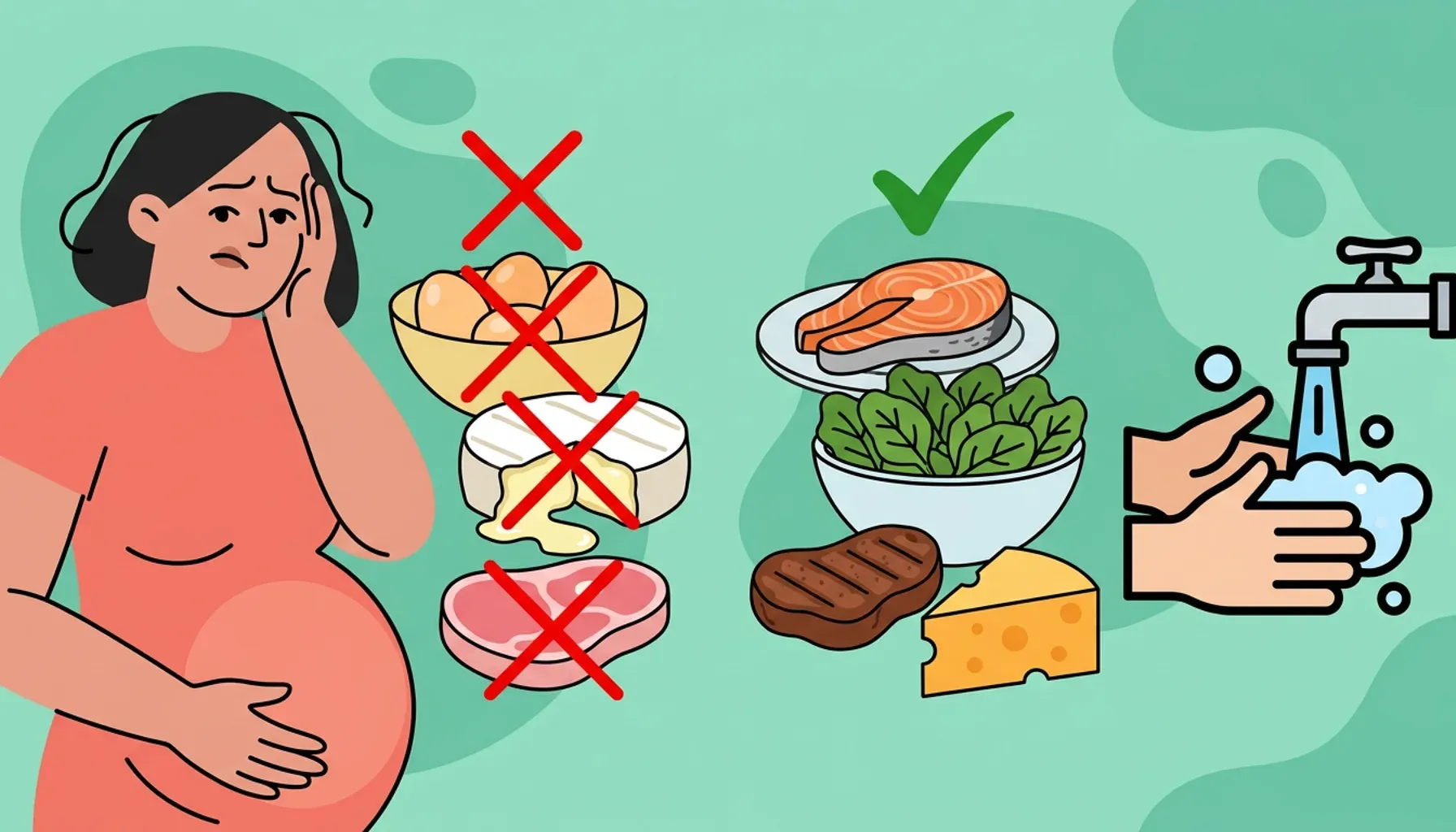
More often than not, the baby is fine — protected by the placental barrier. However, there are some pathogens that can cross the placenta [2]. So if you notice symptoms of food poisoning, it’s a good idea to consult a doctor immediately.
Frequently asked questions

Most of the time, your baby is protected by the placental barrier and won't be affected by food poisoning. However, some pathogens can cross the placenta, so it's important to consult your doctor immediately if you experience symptoms.

Signs of dehydration include less frequent urination, dark-colored urine, dizziness or weakness when standing up, and heart palpitations. Dehydration is especially dangerous during pregnancy and requires immediate attention.

Drink water in small sips to prevent dehydration and contact your doctor immediately. Don't try to treat food poisoning on your own during pregnancy, as professional medical guidance is essential for your safety and your baby's health.

Call your doctor immediately when you first notice food poisoning symptoms during pregnancy. Early medical consultation is crucial because dehydration and certain pathogens can pose risks to both you and your baby.

Medical Disclaimer

This article is for informational purposes only and is not a substitute for professional medical advice, diagnosis, or treatment. Always seek the advice of your physician or qualified health provider with any questions you may have regarding a medical condition.

Meet our medical experts

Medically reviewed content

Reviewed by healthcare professionals · Updated June 8, 2025

Track your pregnancy on the go

Rated 4.8417,594 reviews