EN
try amma today
How mom's food choices affect milk flavor
New Parent

How mom's food choices affect milk flavor

2 min read
Key takeaways
2 min
  • Eat a varied diet during pregnancy and breastfeeding to expose your baby to different flavors through breast milk, promoting adventurous eating habits later.
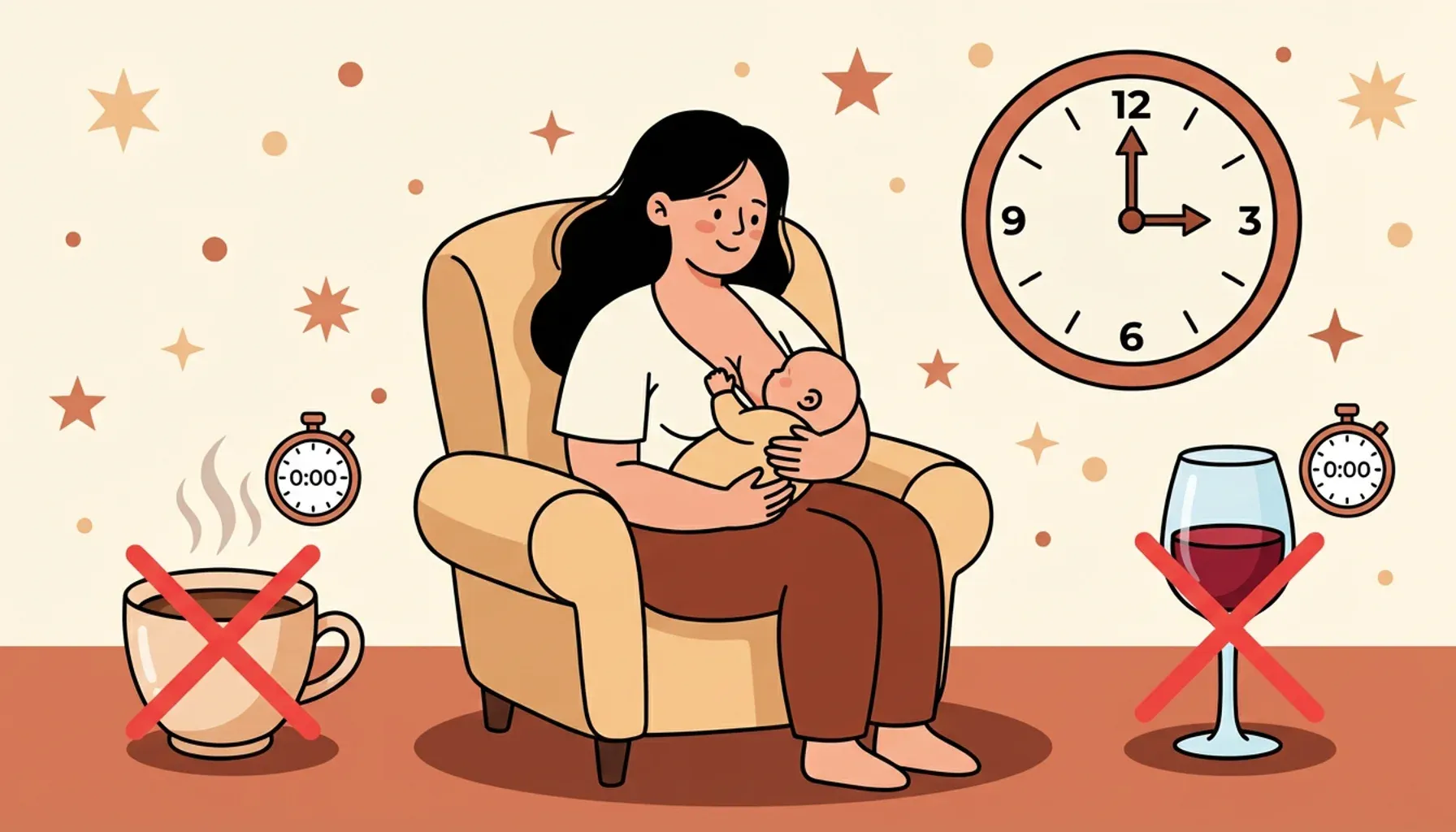
  • Understand that food flavors enter breast milk 2-3 hours after eating and can last all day, with persistent flavors lasting up to 4 months.
  • Avoid alcohol and certain medications while breastfeeding since substances in your bloodstream directly transfer to breast milk through breast capillaries.
  • Include diverse healthy foods in your pregnancy diet as babies exposed to more flavors show greater willingness to try new foods during weaning.
  • Don't worry about babies rejecting milk due to flavor changes - varied tastes actually encourage longer, more enthusiastic nursing sessions.

A mother's diet directly affects breast milk flavor as food compounds enter the bloodstream and transfer to milk through breast capillaries within 2-3 hours of eating. This flavor exposure during pregnancy and breastfeeding shapes babies' future eating habits and food preferences.

amma app

Track your pregnancy in the app

Personalized content for your pregnancy week

Download App

Scientists believe that a mom's diet during pregnancy and breastfeeding not only has immediate benefits or risks to the baby but can also influence their future eating habits [1]. This is how it happens.

From plate to breast milk: how does it happen?

When a mom eats, food is broken down in her stomach and intestines and absorbed into the bloodstream. This blood reaches the capillaries in the breast, where substances enter the alveoli and mix into the milk.

This is why nursing moms should avoid alcohol and certain medications.

 When does food affect milk taste?

The taste of food starts affecting milk after a couple of hours and can last all day.

If mom eats certain foods, like garlic or vanilla buns, for several days, the taste can stay in the milk for a few days. If she ate them throughout pregnancy, the odors might remain in the milk for 1 to 4 months [1].

Does mom's diet affect the density and fat content of milk?

Apparently not. The foremilk is always more watery, while the hindmilk is thicker and fattier [2].

Could a baby refuse to nurse if mom eats something unfamiliar?

Unlikely. Milk is still milk, and the baby needs it. However, strong flavors in mom's diet can change the baby's feeding behavior. Babies who get milk with different flavors tend to suck longer and more willingly [1].

The more flavors a baby experiences through breast milk in the first 6 months, the more interested they will be in trying different foods later [2].

Photo: Helena Lopes / Pexels


Frequently asked questions

Food flavors typically appear in breast milk within 2-3 hours of eating and can last throughout the day. If you eat the same foods for several days, the flavors may persist in your milk for a few days to several months.

Yes, your pregnancy diet influences breast milk flavor after birth. Foods consumed throughout pregnancy can affect milk taste for 1-4 months postpartum, helping shape your baby's future food preferences.

No, your diet doesn't significantly affect breast milk's fat content or density. Foremilk remains naturally watery while hindmilk stays thicker and fattier regardless of what you eat.

Babies rarely refuse breast milk due to flavor changes from your diet. Research shows babies actually nurse longer and more eagerly when exposed to varied flavors through breast milk.

Eat a varied, nutritious diet including different fruits, vegetables, and healthy foods during breastfeeding. This exposure to diverse flavors helps develop your baby's palate and encourages adventurous eating later.

Medical Disclaimer

This article is for informational purposes only and is not a substitute for professional medical advice, diagnosis, or treatment. Always seek the advice of your physician or qualified health provider with any questions you may have regarding a medical condition.

Meet our medical experts

Medically reviewed content

Reviewed by healthcare professionals · Updated September 5, 2024

Track your pregnancy on the go

Rated 4.8417,594 reviews