EN
try amma today
Food allergies and breastfeeding
New Parent

Food allergies and breastfeeding

2 min read
Key takeaways
2 min
  • Avoid only foods you're personally allergic to - there's no need to eliminate common allergens like peanuts or shellfish if you're not allergic.
  • Consider your partner's food allergies, as babies can inherit these and react through breast milk even if you're not allergic.
  • Watch for baby's allergic reactions like skin rashes or intestinal upset, which typically disappear when you stop eating the trigger food.
  • Include omega-3 rich oily fish in your diet, as research shows this may protect your baby from developing peanut and egg allergies later.
  • Remember that 10% of babies develop allergies even without genetic predisposition, but avoiding allergens doesn't prevent baby allergies.

Breastfeeding mothers should only avoid foods they're personally allergic to. Eliminating common allergens like peanuts doesn't prevent baby allergies, but consider avoiding foods your partner is allergic to, as babies can inherit these sensitivities and react through breast milk.

amma app

Track your pregnancy in the app

Personalized content for your pregnancy week

Download App

According to the World Allergy Organization (WAO), 10% of babies suffer from allergies, even if they have no genetic predisposition. If one of baby’s parents is allergic to something, baby’s risks of an allergy are tripled [1].

What should a new mom watch out for if she’s breastfeeding?

Her own allergies

You should not eat anything that you’re personally allergic to. If you have no food allergies, feel free to eat anything you like within a healthy, balanced diet. Studies have shown that when a breastfeeding mother avoids common allergens, it doesn’t prevent her baby from developing food allergies [2]. In other words, there’s no point in avoiding peanuts, shellfish, or anything else just because they’re common allergens in the general population.

Dad’s allergies

Babies very rarely exhibit allergy symptoms while they are breastfeeding, but it does happen. They may inherit an allergy from dad, so when mom eats foods that don’t bother her, they may still bother the baby. Common allergens here are peanuts, chicken eggs, and dairy. Baby’s allergic reaction is usually manifested as a skin rash or intestinal upset. As soon as the breastfeeding mama stops eating the allergen, baby’s symptoms disappear [3]. Therefore, if your partner is allergic to any foods, it’s best to avoid those foods while breastfeeding.

Preventing allergies

Consuming common allergens will not necessarily prevent baby from developing a food allergy later in life. That said, there is evidence that oily fish with plenty of omega-3 fats in mom's diet can protect baby from future allergies to peanuts and eggs [2].

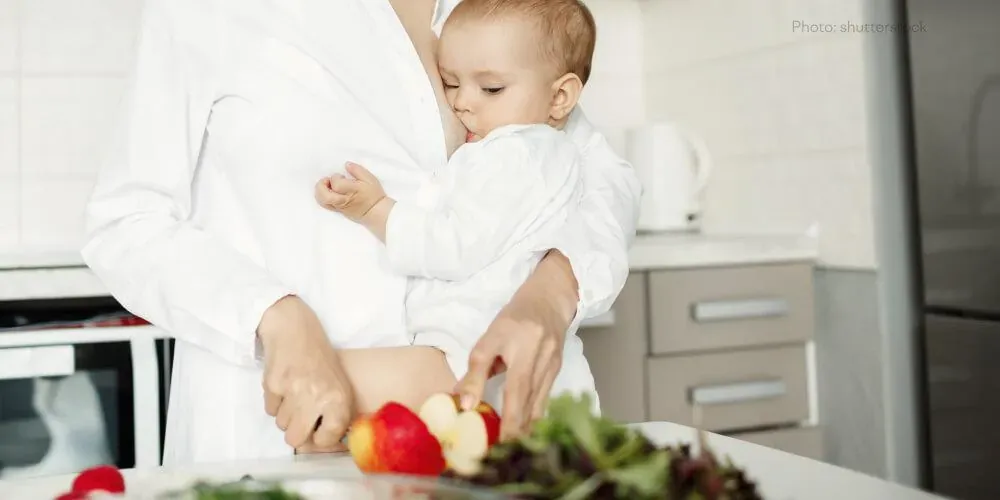
Photo: shutterstock

Frequently asked questions

You should only avoid foods you're personally allergic to. Research shows that avoiding common allergens like peanuts or shellfish doesn't prevent your baby from developing food allergies. However, consider avoiding foods your partner is allergic to, as babies can inherit these sensitivities.

Common signs include skin rashes and intestinal upset in your baby. These symptoms typically appear after you eat certain foods and disappear once you stop consuming the allergen. If you notice these patterns, consult your pediatrician.

While avoiding allergens doesn't prevent baby allergies, eating omega-3 rich oily fish may help protect your baby from future peanut and egg allergies. Focus on maintaining a healthy, balanced diet rather than restrictive elimination.

If your partner has a true dairy allergy (not just lactose intolerance), it's best to avoid dairy while breastfeeding as your baby may have inherited this sensitivity. Monitor your baby for reactions like rashes or digestive issues.

Medical Disclaimer

This article is for informational purposes only and is not a substitute for professional medical advice, diagnosis, or treatment. Always seek the advice of your physician or qualified health provider with any questions you may have regarding a medical condition.

Meet our medical experts

Medically reviewed content

Reviewed by healthcare professionals · Updated September 5, 2024

Track your pregnancy on the go

Rated 4.8417,594 reviews