EN
try amma today
How to talk to the doctor during prenatal checks
Pregnancy

How to talk to the doctor during prenatal checks

3 min readWeek 10
Key takeaways
3 min
  • Choose your prenatal doctor carefully by asking friends for recommendations and reading reviews to ensure comfort and trust during your healthy pregnancy journey.
  • Prepare questions in advance and write them down before each appointment to avoid forgetting important concerns during consultations.
  • Advocate for yourself by asking about medication side effects, treatment alternatives, and requesting explanations for all procedures and screenings.
  • Practice communication beforehand and remind yourself that you can ask the doctor to stop any procedure if you feel uncomfortable.
  • Consider having your partner accompany you to appointments for additional support and to help remember important information discussed.

To effectively communicate with your doctor during prenatal visits, prepare questions in advance, choose a doctor with good bedside manner through recommendations and reviews, and don't hesitate to ask for explanations about procedures, medications, and screenings to ensure a healthy pregnancy.

amma app

Track your pregnancy in the app

Personalized content for your pregnancy week

Download App

How to talk to the doctor during prenatal checks

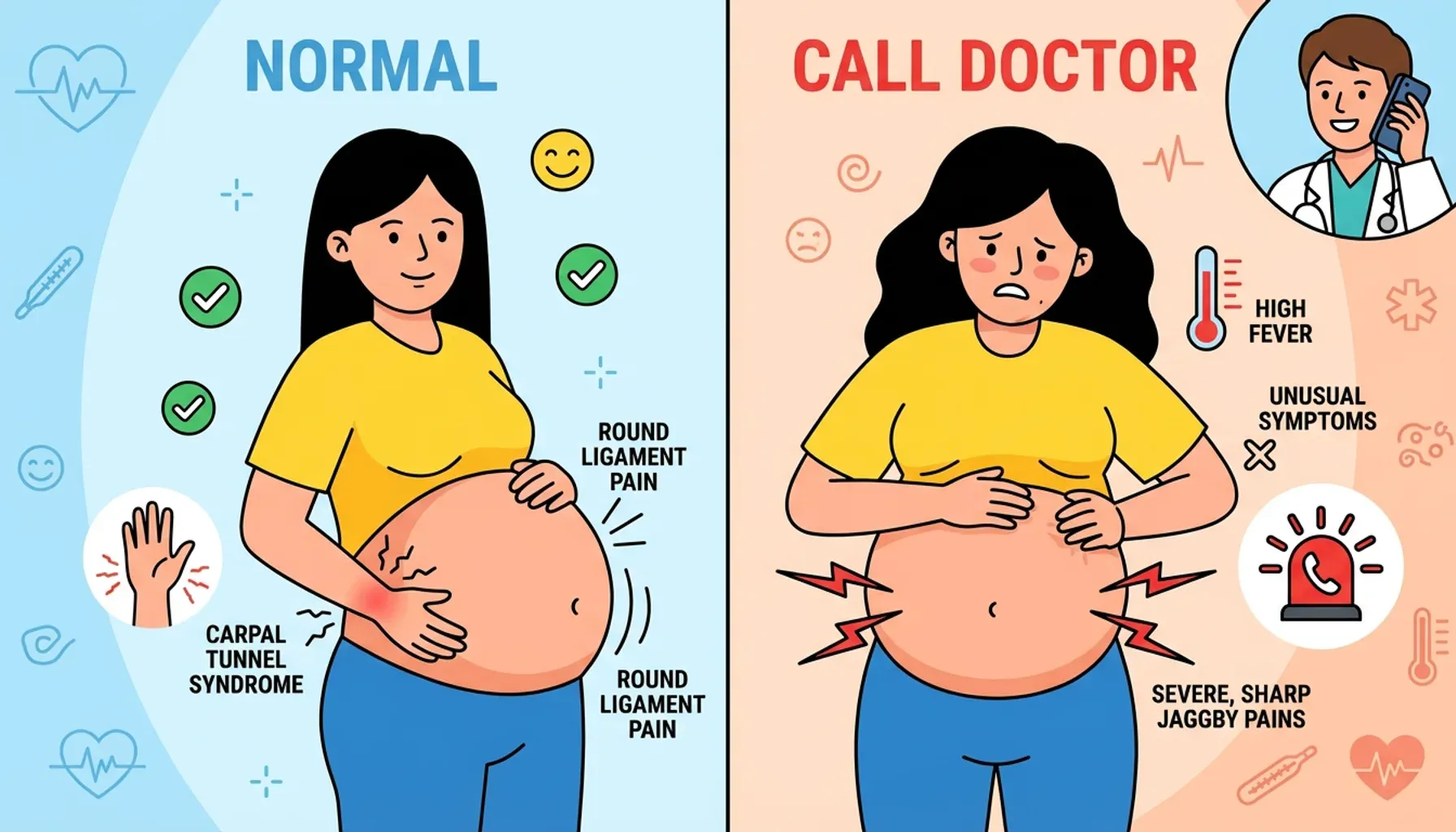
During the first few weeks of pregnancy, a woman will not show at all, but she may have gained a bit of weight already because of an increase in her blood volume. Her body is starting to adapt to lower blood pressure, so she’ll likely feel less dizzy or weak soon [1], and she may start experiencing pulling pains in the lower abdomen due to increasing tension in the ligaments of the uterus [2].     

It is in this context that the first prenatal visit happens, so both of you may have a lot of questions. Many men feel uneasy at an OB-GYN's office, but it may also be challenging for a woman. Some doctors can come off as cold or may not have the best bedside manners, making a woman feel vulnerable [3]. However, a couple of things can help ease your partner’s prenatal checkups. 

Choose the doctor in advance. This is a huge decision, so ask friends for recommendations and read reviews. You will both feel a lot more comfortable if the doctor is polite and kind [3]. 

Don’t be afraid to ask questions. Everything and anything you don’t understand or have doubts about are legitimate questions. Doctors are obligated to explain everything they do during a checkup, why they prescribe any drugs, and the purpose behind any additional screenings they order. You should also ask about the possible side effects of any prescriptions and alternative treatment options. If the doctor refuses to answer your questions, this should be a red flag for you and your partner [4]. 

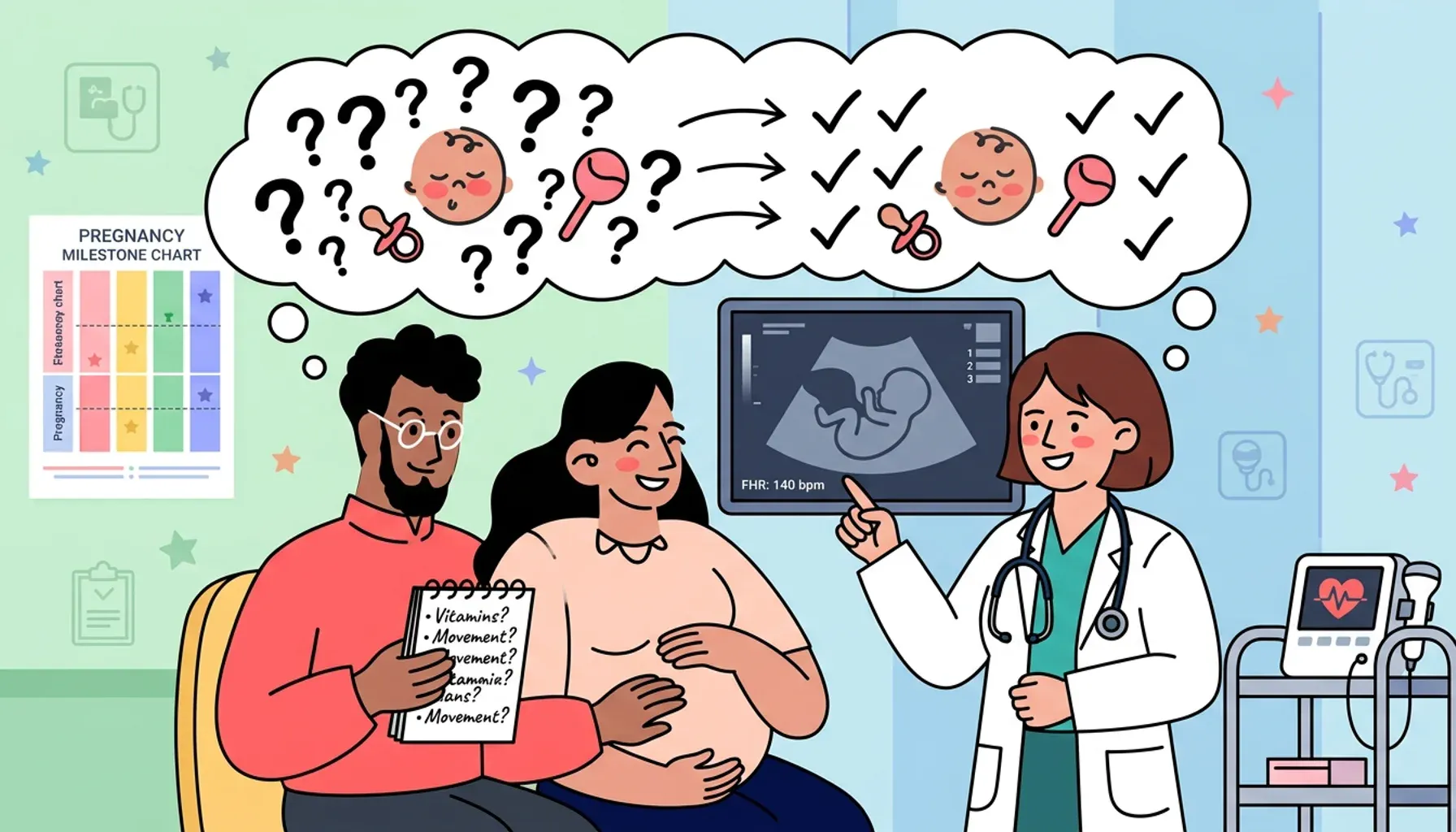
It is only natural for a pregnant woman, or for both future parents, to be nervous during prenatal visits, and it may be difficult to come up with questions during the consultation, so make sure to write them down beforehand. Speak up if you are uncomfortable with the doctor's attention, and remind your partner she can ask the doctor to stop if she feels uneasy at any point during the check-up and to express her objections confidently. You can even practice all of this before the appointment, especially if you won’t be able to accompany her [5].



Frequently asked questions

Ask about any procedures being performed, reasons for prescribed medications, potential side effects, and alternative treatment options. Also inquire about any additional screenings ordered and their purposes. Don't hesitate to ask for clarification on anything you don't understand.

Write down all your questions and concerns before the appointment to avoid forgetting them. Research your doctor in advance through recommendations and reviews. Consider having your partner accompany you for support and to help remember important information.

Speak up immediately if you feel uncomfortable and ask the doctor to stop any procedure. You have the right to express objections confidently and request explanations for everything being done. If a doctor consistently refuses to address your concerns, consider finding a new provider.

Start researching and choosing your prenatal doctor as early as possible, ideally before your first appointment. This gives you time to read reviews, get recommendations from friends, and ensure you find a doctor with good bedside manner who makes you feel comfortable.

Medical Disclaimer

This article is for informational purposes only and is not a substitute for professional medical advice, diagnosis, or treatment. Always seek the advice of your physician or qualified health provider with any questions you may have regarding a medical condition.

Meet our medical experts

Medically reviewed content

Reviewed by healthcare professionals · Updated June 6, 2025

Track your pregnancy on the go

Rated 4.8417,594 reviews