EN
try amma today
Do babies feel pain during childbirth?
Pregnancy

Do babies feel pain during childbirth?

3 min readWeek 31
Key takeaways
3 min
  • Understand that babies enter a hibernation-like state during labor, remaining inactive and unresponsive for 3-5 seconds after birth before suddenly awakening.
  • Recognize that while pain centers develop by 24 weeks of pregnancy, babies may not experience pain like adults due to different brain processing and natural endorphins.
  • Know that your baby relies on reflexes during birth and benefits from the mother's beta-endorphin release, which acts as a natural pain reliever in their bloodstream.
  • Expect your baby to show signs of calming down in the days before labor begins as their central nervous system prepares for the birthing process.

Babies may experience some sensation during birth, but likely not pain as adults know it. While pain centers develop by 24 weeks of pregnancy, babies enter a hibernation-like state during labor and benefit from natural endorphins that act as pain relievers.

amma app

Track your pregnancy in the app

Personalized content for your pregnancy week

Download App

Childbirth is truly a momentous occasion. Nature has played her part, and the baby is ready to enter the world. 

For the expectant mother, childbirth is often exhausting and painful. But it can also be trying for the baby because they come into a wide open space that is colder and dramatically different from the womb. During pregnancy, the baby receives oxygen and nourishment from the placenta, but in the outside world, they will start breathing and eating on their own from the first moment on.

The very process of childbirth is truly amazing. Let’s take a deeper look at how a baby prepares for birth. 

How does the baby “know what to do” during childbirth?

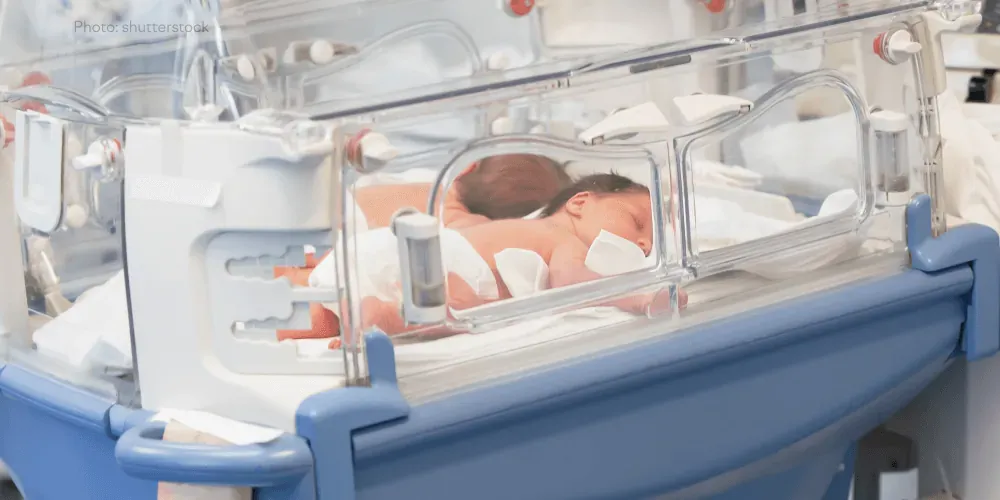
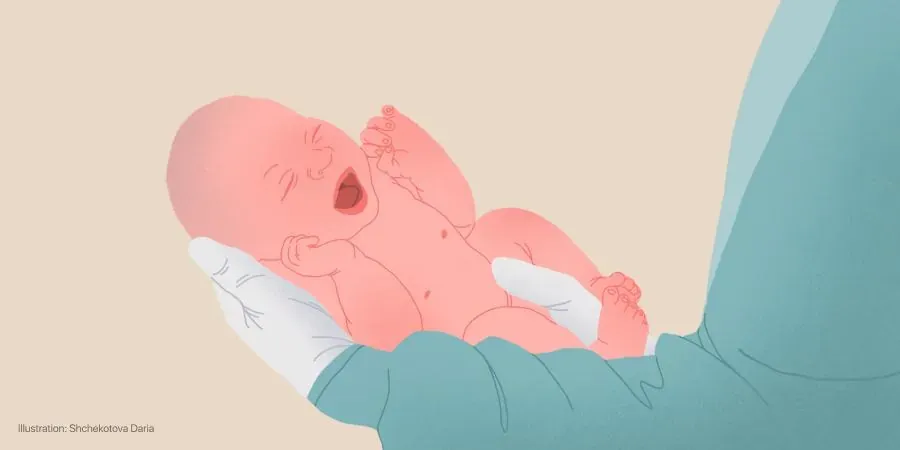
Babies rely on their reflexes during childbirth. It is also believed that they are in a kind of hibernating state during labor. A study on this coined the term “intrapartum hibernation,” noting that in the first three to five seconds of life, newborns do not move or react to light, sound, or touch. Their mouth and eyes are tightly closed, and their muscles are relaxed. Then, suddenly, the baby "wakes up" and starts crying and moving while their heart begins to beat faster [1].

That sharp change in babies’ behavior prompted scientists to infer that they are also inactive during childbirth. Studies have shown that half of women notice that in the days before giving birth or right before contractions begin, the baby calms down. Scientists describe it as an inhibition of the central nervous system, which helps the baby go through childbirth as safely as possible [1].

Does the baby feel pain?

Studies show that the centers in the brain responsible for pain perception are formed in the baby as early as 24 weeks of pregnancy [2].

But whether they can feel pain the way adults do is difficult to say. The fact is that the processing of pain signals in the brain depends on the characteristics of an individual’s personality and past experiences [3].

"It's hard to say what a baby senses," says Dr. Auerbach, a neonatologist at Joe DiMaggio Children's Hospital in Florida. "But your pain and the baby's pain are totally different. It's possible that the baby's pain may be what it feels like to squeeze through a tight space, like the pressing feeling you get when you try to crawl under a fence" [4].

Perhaps the baby does not feel any pain at all because, during childbirth, the mother's body releases a significant amount of beta-endorphin [5], a hormone that acts as a natural pain reliever and anti-stress agent and also enters the baby's bloodstream.
Frequently asked questions

Babies may experience some sensation during birth, but it's likely different from adult pain perception. Their brains have pain centers by 24 weeks, but natural endorphins from the mother's body help minimize discomfort during delivery.

Research suggests babies enter a hibernation-like state during labor, remaining largely inactive and unresponsive. They typically don't react to stimuli for the first 3-5 seconds after birth before suddenly becoming alert and active.

About half of babies show decreased movement before labor begins due to central nervous system inhibition. This natural process helps prepare them to navigate the birthing process as safely as possible.

Babies rely on natural reflexes and benefit from beta-endorphins released by the mother's body during labor. These hormones act as natural pain relievers and anti-stress agents that enter the baby's bloodstream.

Medical Disclaimer

This article is for informational purposes only and is not a substitute for professional medical advice, diagnosis, or treatment. Always seek the advice of your physician or qualified health provider with any questions you may have regarding a medical condition.

Meet our medical experts

Medically reviewed content

Reviewed by healthcare professionals · Updated March 25, 2025

Track your pregnancy on the go

Rated 4.8417,594 reviews