EN
try amma today
Your older child’s only responsibility is to be a kid
New Parent

Your older child’s only responsibility is to be a kid

3 min read
Key takeaways
3 min
  • Avoid making your older child responsible for parenting duties like babysitting, sharing toys, or caring for the baby's needs.
  • Recognize that excessive adult responsibilities can impact your older child's emotional development and ability to connect with their own needs.
  • Allow your older child to maintain their individual identity and interests while adjusting to having a new sibling in the family.
  • Include your older child in supervised activities with the baby like bath time or choosing clothes to build positive sibling relationships.
  • Help your older sibling understand they're not responsible for the baby's emotions or behavior, preventing unnecessary guilt.

Your older child's primary responsibility is simply being a kid. While they can participate in supervised activities with the baby, avoid making them responsible for caregiving duties, sharing toys, or parenting tasks, as this can impact their emotional development and individual growth.

amma app

Track your pregnancy in the app

Personalized content for your pregnancy week

Download App

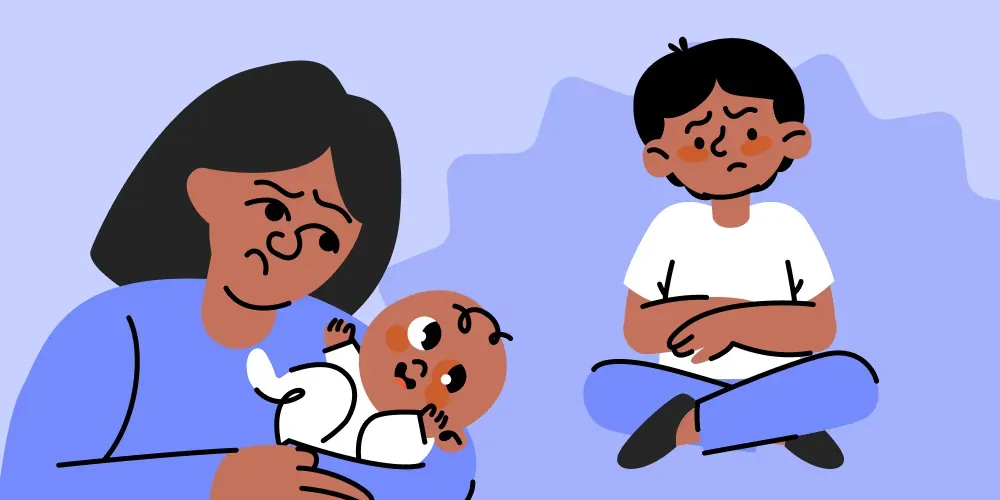
Don’t pressure your older child to look after the baby, share their toys, or give them things. Here’s why.

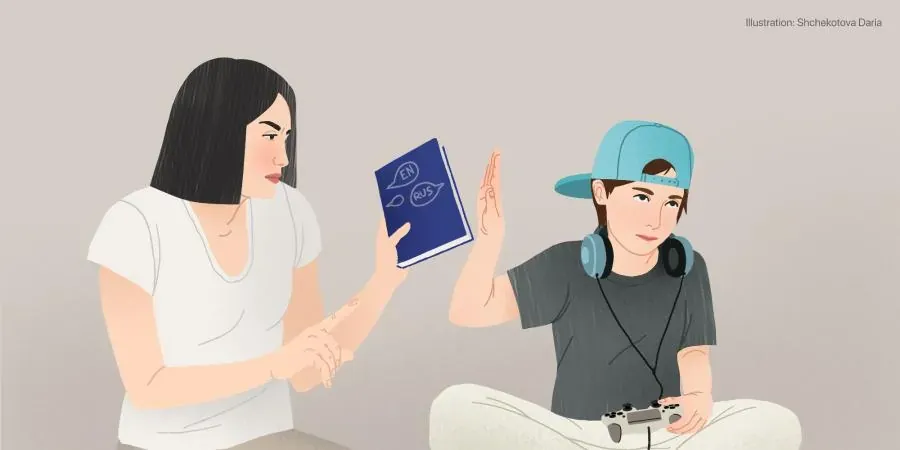
In many cultures, it is customary for older children to help with younger ones, to the point where they become second parents to them [1]. The temptation is even greater if the family is in a difficult situation, such as with single mothers, families with limited resources, or who work long hours. However, it’s not wise to give excessive responsibility to the older child. There are three main reasons behind this.

  1. Only parents are responsible for birthing and raising the baby, with all its challenges [2]. Even if the older child asks for a baby brother or sister, you have to avoid making them feel responsible for them.

  2. Every family member has a role to play. If a child becomes overwhelmed with tasks meant for adults, it may affect their development [3]. A child can end up having little time or energy to play, study, or interact with friends; this doesn’t mean they will necessarily do poorly in school or that their learning will be delayed. Many older children become more independent and successful than their peers [4]. But growing up too fast comes with a price. The child may start suppressing emotions or disconnecting from their own needs. In the future, this may have a psychological impact [3].

  3. Being their own person is the most important task for older siblings [1]. Ideally, everyone should find their particular strengths (without being limited by them); one may be an excellent student, the other an athlete, one likes to draw, and the other might enjoy singing. Respecting individual differences is essential to healthy relationships between siblings and within the family; the new baby’s characteristics will become evident with time. But at this time, while they adjust to the new baby, older children should be given the space to remain themselves, and not keep hearing things like “Be quiet, you’re big, and you have to behave”.

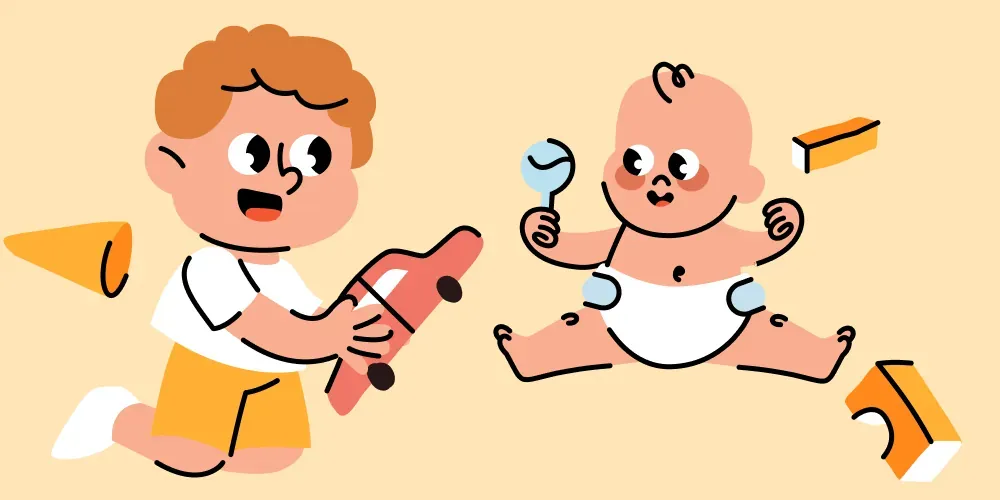
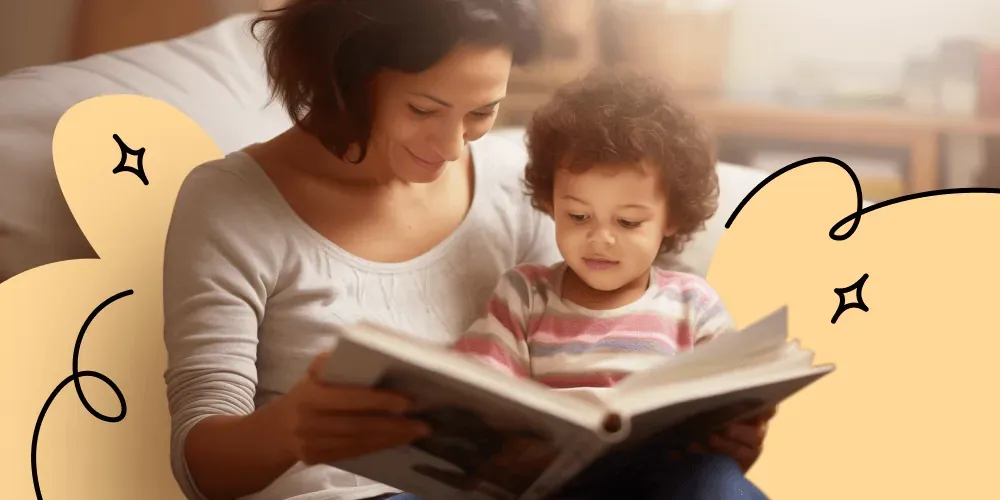
Letting your older child be a kid doesn’t mean keeping them away from the baby. They can help you bathe their sibling, choose their clothes, or play with them under your supervision. These actions can help lay the groundwork for their future relationship [5, 6]. Parents should also help older siblings understand they are not responsible for the baby’s emotions; it’s not their job to calm them down, and they should never feel guilty about their feelings. It’s a delicate balance, but you can do it!
Frequently asked questions

Light supervision and age-appropriate activities like choosing baby clothes are fine, but avoid making them responsible for actual caregiving. Your older child should focus on being a kid, not a second parent.

Include them in supervised activities like bath time, playing, or selecting outfits for the baby. This builds positive relationships without creating parental responsibilities.

Children may suppress emotions, disconnect from their own needs, and miss important developmental experiences. While they might seem more mature, this can have long-term psychological impacts.

Give them space to remain themselves and avoid constantly telling them to behave because they're 'the big kid.' Let them maintain their individual interests and friendships.

It's common but should be gently redirected. Help your older child understand they're not responsible for the baby's emotions or wellbeing - that's the parent's job.

Medical Disclaimer

This article is for informational purposes only and is not a substitute for professional medical advice, diagnosis, or treatment. Always seek the advice of your physician or qualified health provider with any questions you may have regarding a medical condition.

Meet our medical experts

Medically reviewed content

Reviewed by healthcare professionals · Updated September 8, 2024

Track your pregnancy on the go

Rated 4.8417,594 reviews