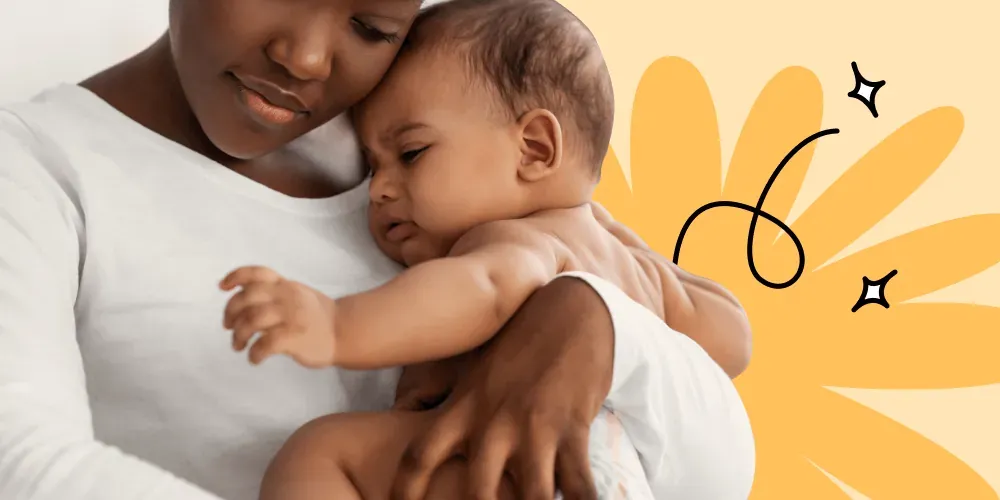

A breath-holding attack is not an uncommon occurrence. It happens when a child stops breathing when they have a minor accident, are frightened, or upset. It may be scary for the parents, but it is not life-threatening.
Why do some babies stop breathing when they get upset?
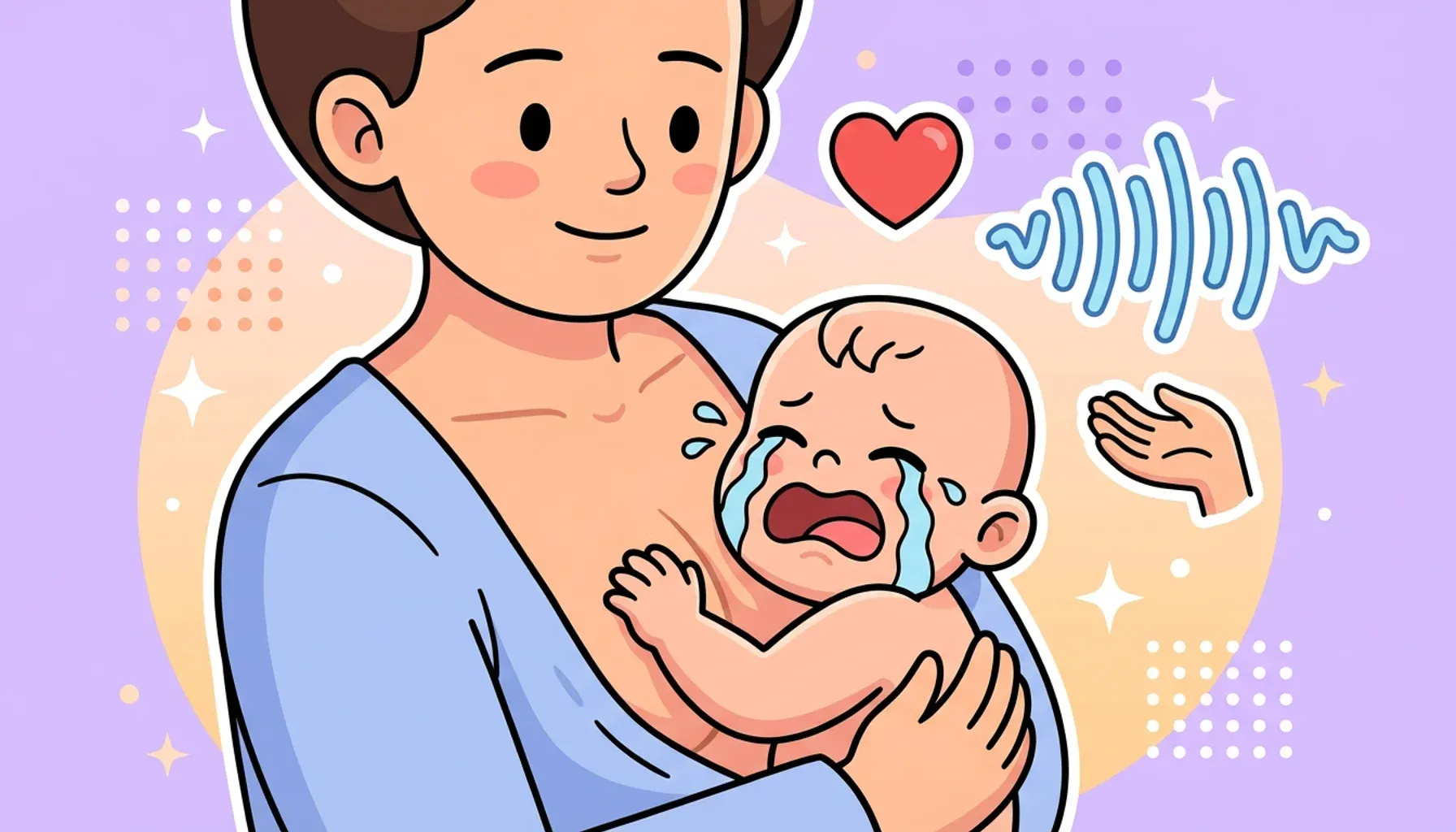
When a baby experiences pain or fear, they usually just cry. But sometimes, the baby can seemingly freeze and stop breathing. Their skin turns blue or pale, and, in rare cases, a baby may faint. A breath-holding attack can last from 10 seconds to a full minute. Then, suddenly, the baby breathes, comes to their senses, and breaks into a normal pattern of crying. These breath-holding attacks are attributed to a "failure" in nerve regulation [1].
Can I be sure it’s normal?
Yes. A breath-holding attack does not pose a threat to your baby’s health and is not indicative of illness. After a couple of minutes, breathing normalizes and episodes with loss of consciousness occur in only 5% of children. These attacks tend to disappear on their own by the age of six [2].
Should I go to the hospital?
A breath-holding attack does not merit a trip to the emergency room but make sure to mention it to your pediatrician during your next appointment. Some evidence shows that breath-holding episodes may be more common in children with iron deficiency (anemia) [2]. If the episodes are frequent, and the child turns pale rather than blue during the attack, your doctor may order an electrocardiogram to rule out any heart issues [1].