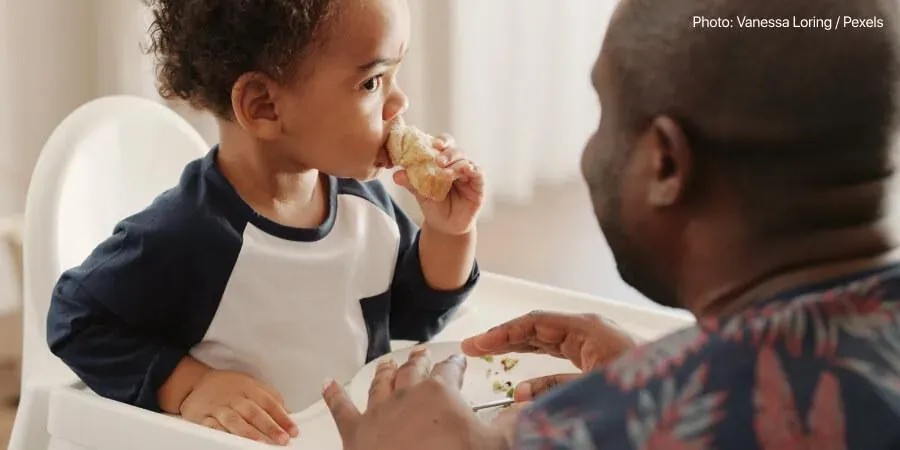

A new dad can experience a broad spectrum of feelings when he meets his baby. It is not uncommon for their emotions to go from being elated to overwhelmed.
In the past, dads would not even hold a newborn, let alone change their diapers. Nowadays, male partners are taking on more and more responsibilities when it comes to raising children. However, just as with new mothers, life as a dad comes with a learning curve, and their attachment to the baby may take a bit longer to develop as they deal with mostly unknown feelings [1].
Over time, a dad will catch up. The more he holds the baby in his arms, swaddles, and lulls him to sleep, the more tenderness he will feel.
Sensitivity training
After the birth of his child, a man’s level of testosterone, a hormone associated with aggression, decreases [2]. At the same time, the concentration of oxytocin, the hormone related to love, increases, helping a man feel more attentive towards the baby and better able to recognize their emotions and needs [3].
Another hormone, prolactin, awakens paternal feelings in men [4]. In women, this same hormone is responsible for producing breast milk. Under the influence of prolactin, new dads are moved to play with the baby and, through that action, begin to explain how the world around them works [3].
Decreased libido
New dads often experience a decreased libido, thanks to hormones, primarily prolactin. It also reduces a mother’s sexual desire during the first months after giving birth [3].
Don’t worry about changes in your intimacy affecting your relationship. Scientists suggest that it is a natural mechanism that helps new parents focus on the care of their child [3]. Evidence shows that even the strongest, most loving couples experience a marked decrease in sexual activity after the baby arrives, so there is no need to worry [5].
Developing a laser focus on his career
Often, new fathers find greater focus and drive in relation to their work after the birth of their child. And this pays off. The gender pay gap that discriminates against mothers favors fathers. Research shows that employers are more favorable to men with children when hiring [6], and fathers can also expect a higher salary than childless men [7].
While the joy of fatherhood may invigorate a man’s career, there is also a downside. Men who take on more responsibilities at work can’t devote as much time to their families, so a healthy compromise is needed. Remember, those moments of connection — like rocking a baby to sleep or taking a child to the park — are priceless.
Dads can also get the baby blues
Yes, postpartum depression can also affect men. It occurs in 26 percent of new dads [8]. Depression can also intensify during the following five years [9].
The issue is also hormone-related. Prolactin and oxytocin make the dad feel closer to his baby, but side effects include fatigue, loss of energy, hot flashes, irritability, and mood swings. In addition, lack of sleep can also affect mental health. Together, this can create an explosive mix of emotions that can end in depression. The risk can increase with financial uncertainty, issues with the baby’s health, and relationship challenges [10].