
Here are five useful habits that will simplify life in the first months of a baby's life.
When a baby is born, you can throw out your old schedule and expect chaos. As baby adjusts to life outside the womb, it’s time for you and your partner to adjust to your new family member. These five habits can help bring some calm and stability during hectic transition period.
1. Get to know your baby
Yes, taking your tiny brand new baby in your arms for the first time can be scary, but the sooner you get comfortable holding, soothing and rocking baby the better. From the first days, you can actively help your partner dress, bathe and lull the newborn. Skin-to-skin contact is not only for mom; it’s important for baby to get to know you too. Early physical contact leads to the development of a close relationship in the future. In addition, being competent in practical matters, you can give mama a much needed break [1].
2. Notice the little things
All babies are different : everyone has their own body language and reactions to the environment. Pay attention to what the baby does when she is happy and when something goes wrong. Over time, you will intuitively understand how she feels: whether she is hungry, whether she is in pain. In addition, these observations will help you understand baby’s rhythms: when she sleeps, wakes up and eats. In the beginning, it’s impossible to force baby to live according to your schedule. Sensitivity to baby will serve you well [2].
3. Help with feeding
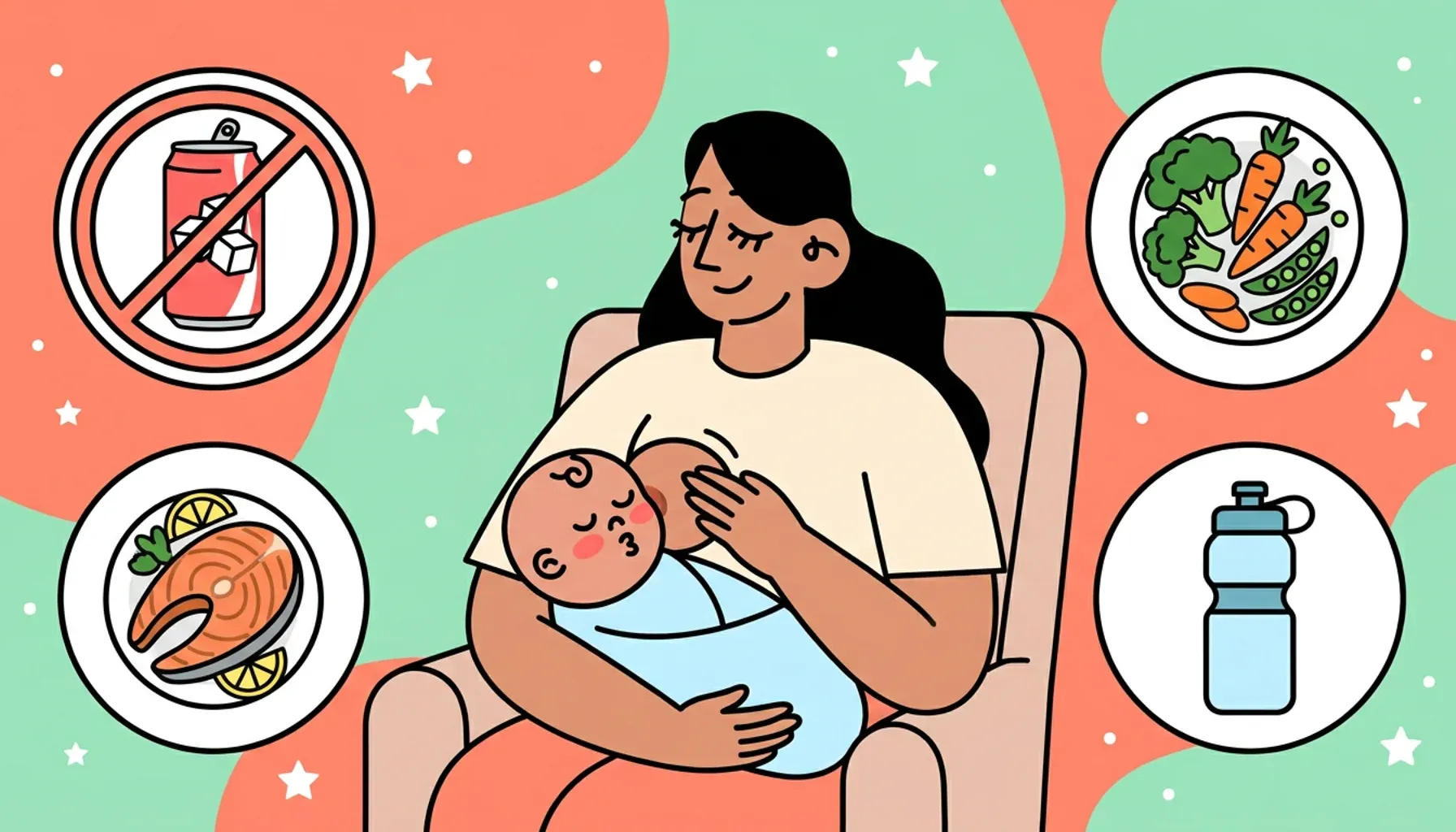
Do not miss these intimate moments: at this time you can feel unity as a family. If your partner is breastfeeding, you can still be useful. For example, you help your partner get comfortable as she nurses, bring her a glass of water. Burp baby when feeding is complete. If you’ll be using a bottle with baby, then all the more you can take the initiative [1].
4. Don’t let the crying freak you out
The crying of a baby can drive you crazy and fray your nerves. But crying is the only mode of communication baby has. It’s the only way she can tell you something is wrong. This is a behavior that has evolved over millions of years of evolution. Babies are small and defenseless — who else can they count on, except for their parents? A baby is not trying to manipulate you: their nervous system is not sufficiently developed for such complex behavior. If you do feel at the end of your rope, take a minute to collect yourself: go for a walk, take a deep breath. Cool off so you can reengage safely with baby.
5. Talk to your baby
Talk to your baby when you're holding him or changing his diaper. For example, you can say "Let's change the diaper, baby. Here's how: first, we take it off, then we get a clean one and put it on. It'll be better now, won't it? Don't cry — it will get better now". You can also name the objects you see in your home. When baby is young they won’t understand the words that you’re saying, but hearing language stimulates the development of baby’s nervous system and will help her learn words faster in the future [3]. She may not be able to understand what you are saying, but the calm and affectionate intonation of your voice will soothe her [4].