EN
try amma today
When can I try to conceive again after a miscarriage?
Getting Pregnant

When can I try to conceive again after a miscarriage?

2 min read
Key takeaways
2 min
  • Wait at least 2 weeks after miscarriage before trying to conceive, as ovulation can occur as early as 14 days after pregnancy loss.
  • Consider taking a pregnancy test 2-3 weeks after your first missed period following miscarriage recovery.
  • Understand that recent studies show earlier conception after miscarriage may increase chances of successful pregnancy.
  • Consult your doctor before trying again if you experienced ectopic pregnancy, molar pregnancy, or multiple consecutive losses.
  • Focus on being physically and emotionally ready rather than adhering to outdated six-month waiting recommendations.

You can try to conceive again as early as 2 weeks after miscarriage, once bleeding stops and your body begins recovery. Recent studies show earlier conception may improve success rates, though being physically and emotionally ready is most important.

amma app

Track your pregnancy in the app

Personalized content for your pregnancy week

Download App

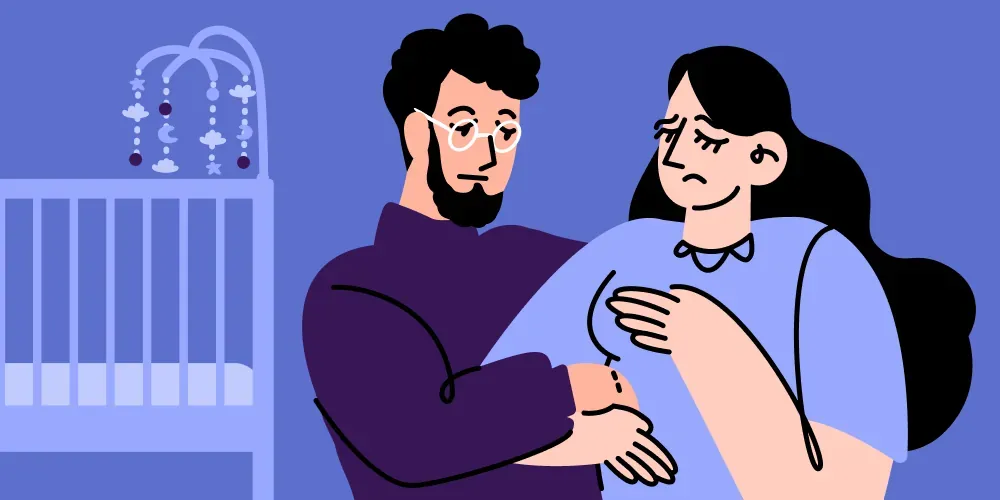
After losing a pregnancy, many women are nervous about getting pregnant again, but there is no reason to worry. If the pregnancy ended in a miscarriage, it does not mean that it will happen again. One failed pregnancy is not a sentence. For different reasons, up to 20% of pregnancies are lost spontaneously during the early stages [1]. However, no more than 1% of women have recurring miscarriages [2]. 

Is it true that after a miscarriage, you have to wait six months?

There is no consensus on this issue among doctors. Some scientists advise women to take a three-month break, while the WHO recommends waiting six months to try again[3]. However, recent studies have shown that the earlier conception occurs after a miscarriage, the higher the chance of a successful pregnancy and of having a healthy child [4, 5, 6]. The main thing is for a woman to be physically and psychologically ready for a new pregnancy. 

When can I try again?

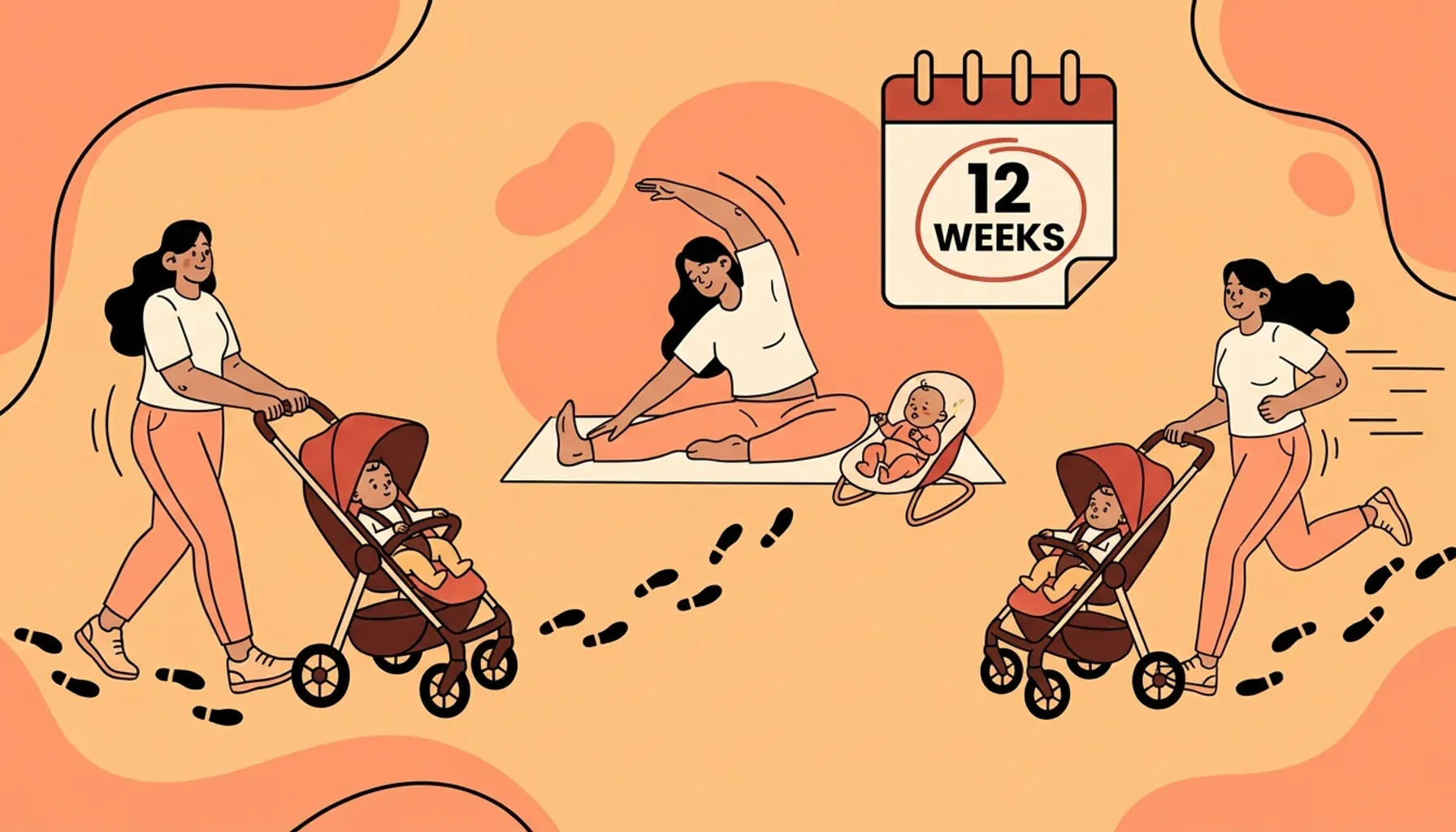
Usually, after a miscarriage, experts recommend patients refrain from intercourse for two weeks. By this time, bleeding has generally stopped, pain is gone, and the body has had a chance to recover. Even though the menstrual cycle does not normalize immediately, ovulation may occur as early as 14 days after a loss, which means there is a high probability of a new pregnancy [7].

Are there situations in which it is better to wait?

Yes, there are. Doctors recommend waiting to try to conceive again in cases such as:

  • after an ectopic pregnancy;

  • after a molar pregnancy (a rare pathology in which fertilization of an egg by a sperm cell occurs incorrectly, and the embryo either does not form or dies, but the fetal membrane has actively grown in the uterus);

  • if a woman is undergoing treatment during which pregnancy should be postponed;

  • if there were several miscarriages in a row or there was a late pregnancy loss (after 22-24 weeks) [8]. 

Do you have to go through a complete medical examination and treatment after pregnancy loss?

In the United States, women usually undergo testing after two or three losses. A lot depends on the type of insurance they have and the circumstances of their case. The European Society for Human Reproduction (ESHRE) recommends a detailed medical examination if a woman has had three losses in a row, which merits looking for the root cause and, if necessary, undergoing treatment [1, 2].
Frequently asked questions

You can take a pregnancy test about 2-3 weeks after your first missed period following miscarriage recovery. Wait until your hCG levels return to zero before testing for accurate results.

Most experts recommend waiting at least 2 weeks after miscarriage before trying to conceive. Recent studies suggest earlier conception may actually improve chances of successful pregnancy.

Yes, ovulation can occur as early as 14 days after miscarriage, making pregnancy possible before your first period returns. However, allow your body time to heal physically and emotionally.

A pregnancy test will only be accurate once your hCG levels from the previous pregnancy drop to zero, typically 2-6 weeks after miscarriage. Test too early and you may get false positive results.

Medical clearance isn't always required after one miscarriage, but consult your doctor if you had complications, multiple losses, or special circumstances like ectopic or molar pregnancy.

Medical Disclaimer

This article is for informational purposes only and is not a substitute for professional medical advice, diagnosis, or treatment. Always seek the advice of your physician or qualified health provider with any questions you may have regarding a medical condition.

Meet our medical experts

Medically reviewed content

Reviewed by healthcare professionals · Updated September 1, 2024

Track your pregnancy on the go

Rated 4.8417,594 reviews