EN
try amma today
What are the dangers of falling while pregnant?
Pregnancy

What are the dangers of falling while pregnant?

2 min readWeek 21
Key takeaways
2 min
  • Know that one in three pregnant women fall at least once, with most falls occurring in months 6-7 when center of gravity shifts significantly.
  • Seek immediate medical attention after any fall past 20 weeks, especially if experiencing vaginal bleeding, abdominal pain, or contractions.
  • Avoid common fall hazards like wearing heels on stairs, not using handrails, and walking on slippery surfaces during pregnancy.
  • Monitor baby movement after any fall and contact your doctor if movement decreases or stops completely.
  • Understand that falls after 20 weeks can cause serious complications including placental abruption, membrane rupture, and premature labor.

Falls during pregnancy can cause placental abruption, membrane rupture, and premature labor, especially after 20 weeks. While the baby is protected by the uterus and amniotic fluid, any fall past the second trimester requires medical evaluation due to potential complications.

amma app

Track your pregnancy in the app

Personalized content for your pregnancy week

Download App

Every third woman falls at least once during pregnancy. Of those who fell, 10 percent fell repeatedly, and another 5 percent got bruises or injuries that were potentially dangerous [1]. The problem is being researched to better understand the risk factors. 

Do pregnant women fall more often than non-pregnant women?

They do. Moreover, most falls occur in the sixth or seventh month [2]. As the stomach grows, the center of gravity shifts, and they have little time to adapt to their new bodies.

Studies show that pregnant women younger than 24 years old fall and get injured twice as often as mothers over 35 [1, 2]. Older expectant mothers may be more realistic about how pregnancy has changed their physical abilities. 

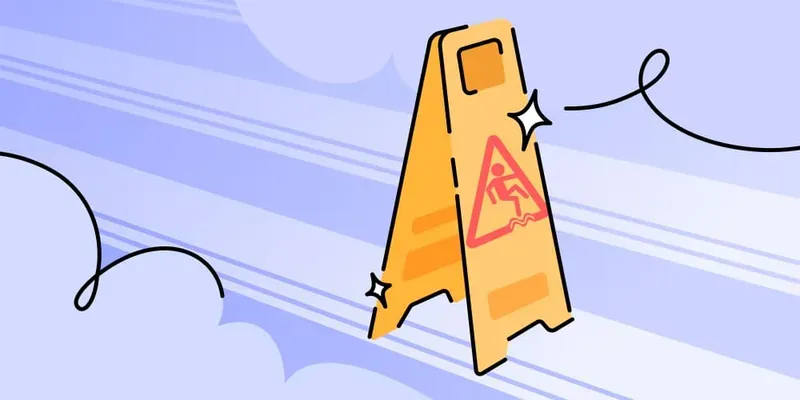
As banal as it may seem, many falls occur because of a reluctance to hold on to the railing when taking the stairs while wearing heels [2]. Slippery surfaces are also among the top risks. 

Is the baby protected in the mother's belly?

During pregnancy, the baby is protected by the uterus and amniotic fluid. In the first trimester, when the placenta is not yet formed, and there is no belly bump, minor injuries usually do not harm the baby. But any falls that occur after the 20th week of pregnancy merit a consultation with your doctor, even if it seems like everything is okay [3].

Why are falls dangerous for the baby?

In the later stages of pregnancy, when the baby is already large and heavy enough, a fall (not necessarily on the stomach) can lead to placental abruption, rupture of membranes, and premature birth [2].

When should an ambulance be called?

You need to go directly to the hospital after a fall if you have:

Those symptoms may appear a day or two after the fall, so go to the hospital and report the fall as soon as you get there. The same is true if you stop feeling the baby move.

Frequently asked questions

Every third woman falls at least once during pregnancy, with 10% falling repeatedly. Most falls occur in the sixth or seventh month when the center of gravity shifts significantly.

Consult your doctor after any fall past 20 weeks, even if you feel fine. Seek immediate emergency care if you experience vaginal bleeding, abdominal pain, contractions, or decreased baby movement.

In the first trimester, minor falls usually don't harm the baby due to protection from the uterus and amniotic fluid. However, any concerns should be discussed with your healthcare provider.

Falls after 20 weeks can cause placental abruption, rupture of membranes, and premature labor. These complications can occur even without direct impact to the abdomen.

Use handrails on stairs, avoid wearing heels, be cautious on slippery surfaces, and allow time to adjust to your changing center of gravity. Take extra care during months 6-7 when falls are most common.

Medical Disclaimer

This article is for informational purposes only and is not a substitute for professional medical advice, diagnosis, or treatment. Always seek the advice of your physician or qualified health provider with any questions you may have regarding a medical condition.

Meet our medical experts

Medically reviewed content

Reviewed by healthcare professionals · Updated March 25, 2025

Track your pregnancy on the go

Rated 4.8417,594 reviews