
Everyone knows that pregnancy means no drinking, smoking, or thoughtlessly taking medication. But your beauty routine is also something to look at during this time.
Can cosmetics be harmful during pregnancy?
Many people mistakenly believe that cosmetics only stay on the surface of the skin. However, some cosmetic components can enter the bloodstream [1] and have an impact on the developing baby. That's why it is crucial to choose cosmetics that are genuinely safe and free from ingredients that may pose a hazard.
Which ingredients should be avoided during pregnancy?
There are not many unequivocally harmful substances. Rather, numerous ingredients fall into a "gray area" where their potential harm is not proven, but their absolute safety is also not established. Conducting studies on pregnant women is considered unethical, which is why there is still no definitive list of dangerous and safe cosmetics.
To be extra cautious, you can try to avoid beauty products that contain the following substances:
Phthalates (give cosmetics a smooth texture) [2].
Parabens (used as preservatives) [2].
Oxybenzone (commonly used in sunscreens) [2].
Triclosan (provides antibacterial and antifungal effects) [2].
Hydroquinone (used for skin lightening) [3].
Retinol (found in anti-aging cosmetics and acne treatments) [4].
The American College of Obstetricians and Gynecologists also provides a few additional tips.
Look for products marked “fragrance-free”. That is different from “unscented.” Unscented products may contain multiple scents to mask the odor of some ingredients, and they may contain harmful chemicals.
Products designed to lighten your skin or straighten your hair may contain chemicals not disclosed on the label. Some of these products can contain toxic substances.
Hair dye is usually safe to use during pregnancy [2].
If you have any skin conditions such as atopic dermatitis, acne, or psoriasis, inform your ob-gyn. During pregnancy, treatment plans may need to be adjusted, and certain creams or medications may need to be discontinued [4].
Which beauty treatments are safe for expecting moms?
Here is a list of the most common procedures, with some comments regarding their safety during pregnancy.
Peels: Peels containing glycolic and lactic acids are relatively safe. However, those with salicylic acid should be avoided [5].
Hair removal: Shaving, waxing, and using hair removal creams is considered safe. Laser hair removal, photoepilation, and electrolysis are not recommended during pregnancy [5].
Injections: Some studies suggest botox is safe during pregnancy [6, 7]. However, there is no data on the safety of fillers, thread lifts, or mesotherapy.
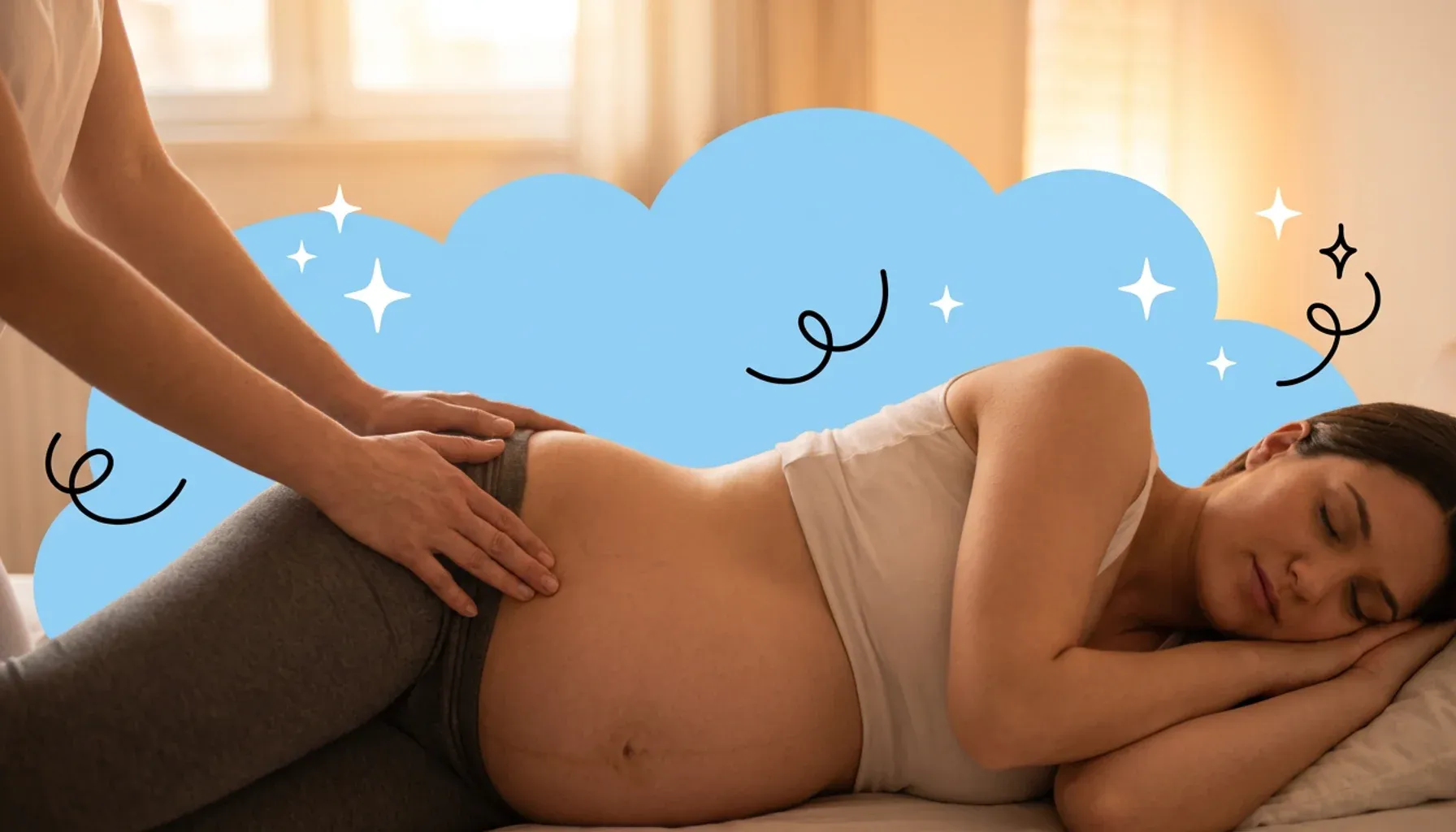
Massage: Massages are safe at any stage of pregnancy, but it is essential to go to a certified prenatal massage therapist [8].
Please note that certain cosmetic procedures may require anesthesia, and even the topical kind may not be entirely safe during pregnancy. Your best option is to talk to your dermatologist to determine the appropriate treatment for you during this stage [5].
Important! Even if you used something from the NO list, it does not mean that you have put your baby at risk. Most studies only address the unproven safety of certain ingredients and procedures, so your goal is simply to reduce the risks.