
Why magnesium is an important mineral to include in your diet
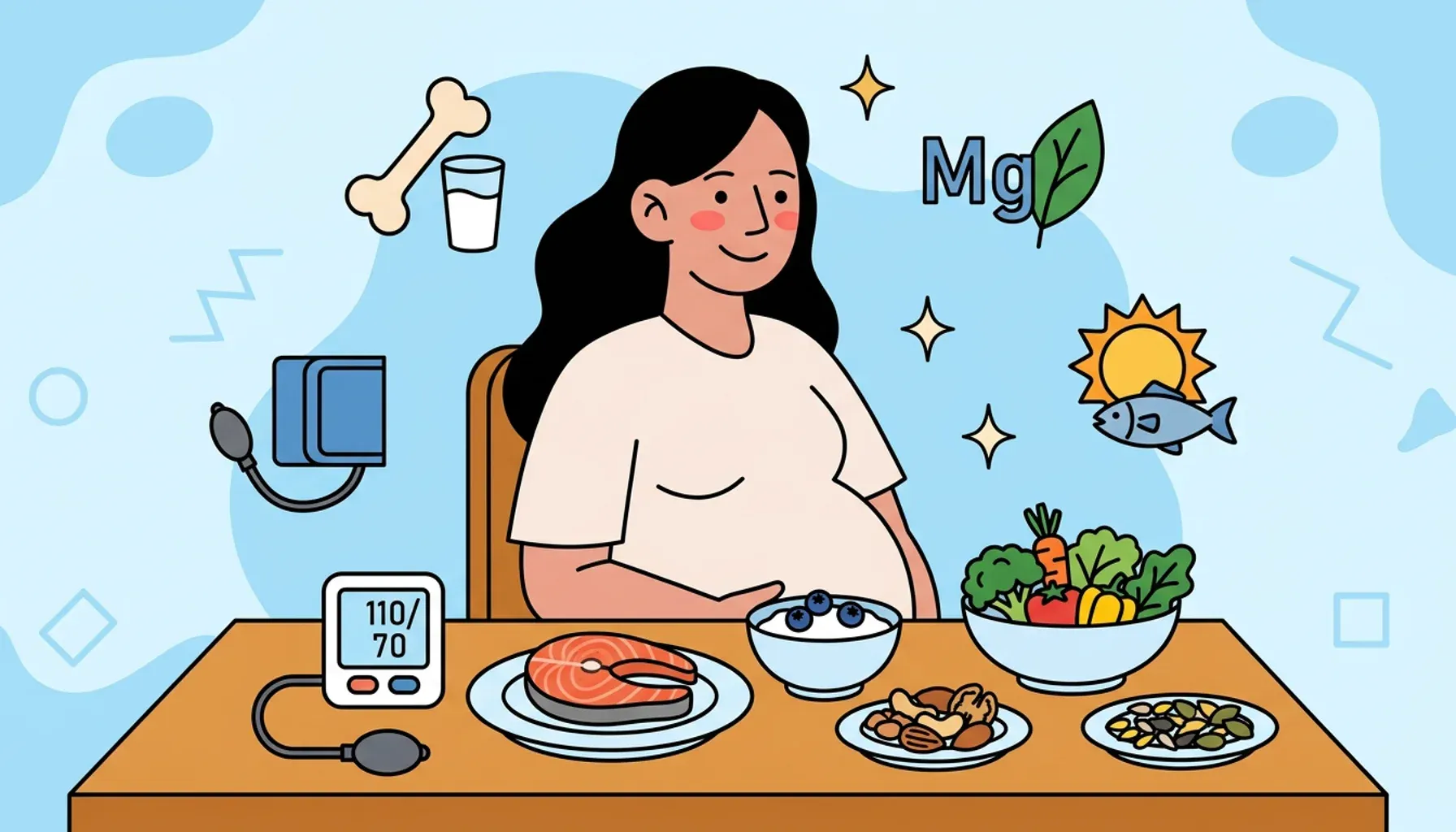
Magnesium is one of the most important minerals for a future mother and child. It is necessary for the synthesis of nucleic acids and proteins and for the transmission of impulses in nerve and muscle fibers. Many pregnancy complications are associated with magnesium deficiency, such as high blood pressure, gestational diabetes, leg cramps [1] and migraines [2]. The lack of this important mineral is considered one of the probable causes of preeclampsia and miscarriage [3].
If you adhere to a healthy diet, then it is almost impossible to have a magnesium deficiency: Magnesium is contained in almost everything, from green vegetables and legumes to cereals and nuts. However, there are several reasons why you need to pay attention to whether you’re getting enough magnesium during pregnancy:
During pregnancy, the need for this mineral increases because it is needed by the mother and the baby.
When you’re pregnant, a lot of magnesium is excreted in the urine, so you need to maintain a healthy level of magnesium.
Zinc — another important trace element for pregnant women — interferes with the absorption of magnesium [4], so even if you think you’re consuming enough minerals, you may be deficient. Therefore, if you take supplements of magnesium and zinc, then they should be taken over time so that your system can absorb them properly.
It is best to get magnesium from food, if only because high doses of dietary supplements or drugs often lead to diarrhea, which may be accompanied by nausea and intestinal cramps [2]. And food cannot cause an overdose. Here’s a list of magnesium-rich foods:
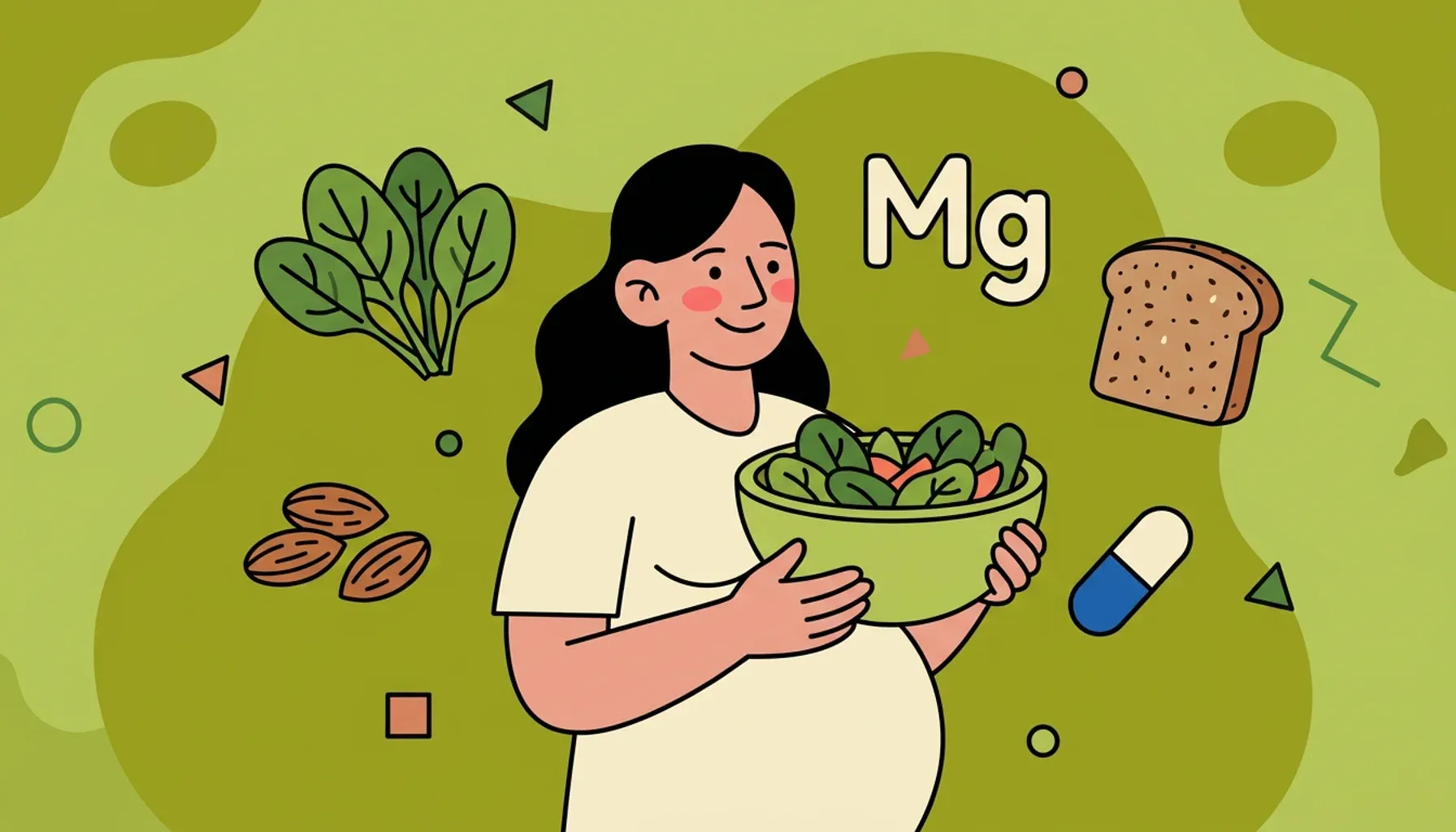
nuts: cashews, almonds, hazelnuts, peanuts;
spinach;
cereals: bulgur, oats, buckwheat;
soy milk;
beans;
brown rice;
bananas;
fish: salmon and halibut.