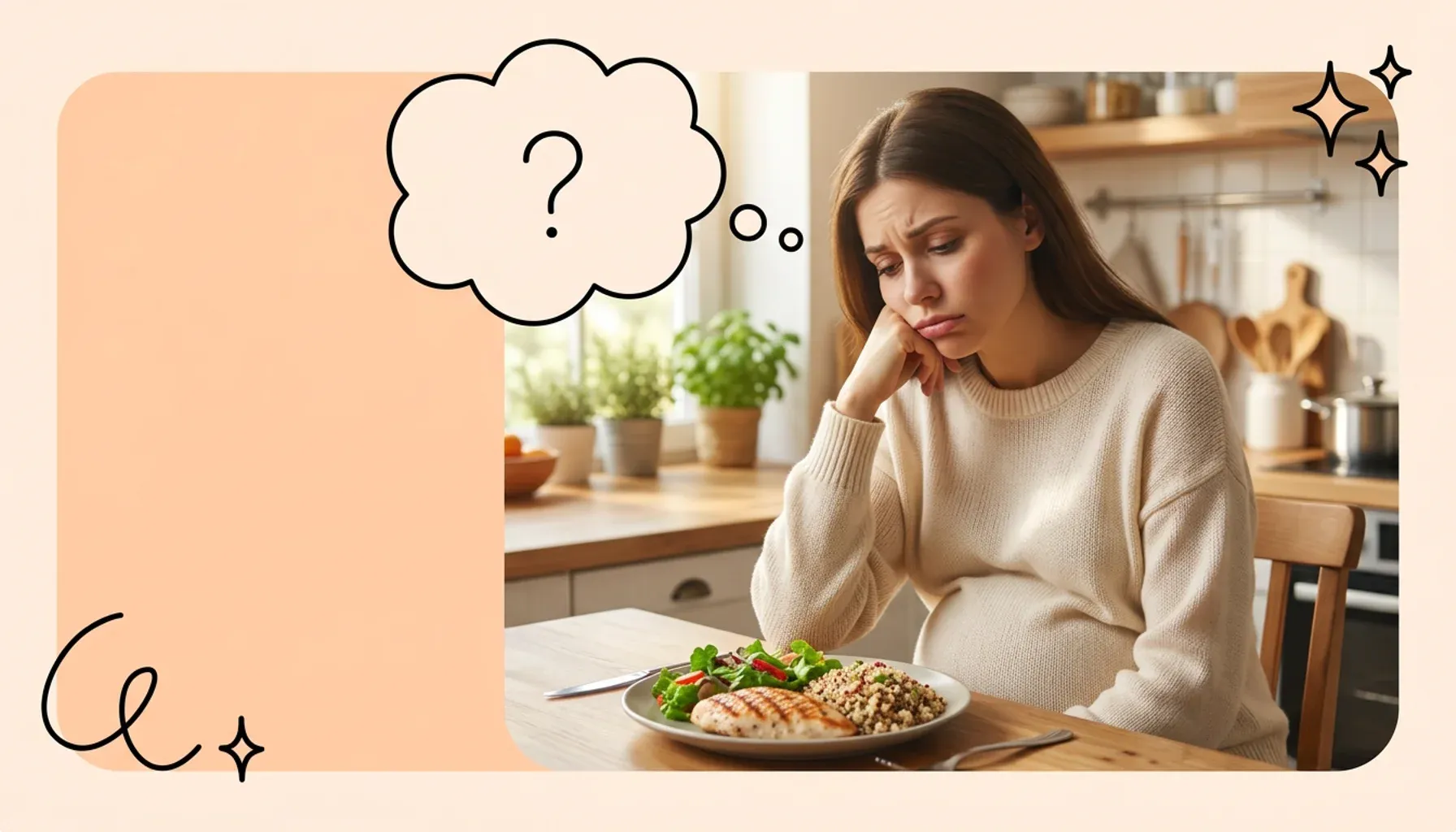

Why did you lose your appetite?
A sharp decrease in appetite in the last weeks of pregnancy is a rather rare phenomenon. However, if you feel that you have lost the desire to eat, then this may be a symptom of one of three conditions [1]:
Depression
Prenatal depression develops as often as postpartum depression. And women who suffer from it can fall into a vicious circle. Decreased appetite leads to a lack of nutrients (omega-3 fatty acids, vitamin C, iron and zinc) [2, 3], which in turn aggravates the development of depression. If you find yourself struggling with depression, consult with a psychologist.
Eating disorders
Anorexia and bulimia while expecting a child is very difficult to identify. Their symptoms are too similar to normal manifestations: increased appetite, selectivity in food, the desire to control weight gain. Therefore, estimates of the prevalence of these phenomena range from 0.6 to 28%, and the diseases themselves are diagnosed at a later stage [4], often in expectant mothers who already had eating disorders in their history [5].
A sharp change in hormonal levels
If, before pregnancy, you noted fluctuations in appetite and taste preferences during your period, during pregnancy, you may lose interest in food due to a sharp change in hormonal levels [6]. This usually occurs on the eve of childbirth. The hedonistic aspect of food ("food for pleasure") has lost its meaning. If your favorite desserts do not bring you any sense of pleasure, then it could mean childbirth is very close [6].
Is it dangerous to stop eating?
If your overall weight gain over the entire pregnancy is sufficient, then reducing your meals is unlikely to harm the child. But it’s a good idea to continue eating good, healthy foods — you will need this source of energy during childbirth.