EN
try amma today
Pregnancy weight gain: What's healthy?
Article

Pregnancy weight gain: What's healthy?

2 min readWeek 18
Key takeaways
2 min
  • Aim to gain about one pound per week during your second trimester, though only half of women with healthy pregnancies meet this exact target.
  • Monitor excessive weight gain to reduce risks of gestational diabetes, hypertension, and cesarean delivery complications.
  • Avoid restrictive eating patterns during pregnancy, as insufficient weight gain can lead to premature birth and developmental issues.
  • Follow nutrient-rich diets like Mediterranean or moderate glycemic plans to maintain healthy weight while supporting baby's development.
  • Focus on consuming fewer empty calories and more vitamin-rich foods to support both maternal health and fetal growth.

Healthy pregnancy weight gain involves gaining about one pound per week during the second trimester. Both excessive and insufficient weight gain pose risks, including gestational diabetes, premature birth, and developmental issues, making regular monitoring essential for maternal and fetal health.

amma app

Track your pregnancy in the app

Personalized content for your pregnancy week

Download App

During your second trimester, the idea is for you to gain around one pound a week. However, studies have shown that only half of women who gave birth to healthy babies without complications hit this target, while the rest gained either more or less weight [1].

Does this mean I can relax and stop monitoring my weight?

During pregnancy, your weight can tell your doctor a lot about your health, so you can’t really forget about it. Excessive weight gain in the second trimester increases your risk of gestational diabetes [2] and hypertension [3]. It also increases your chances of having a cesarean (C-section), as your baby may get too big for a safe vaginal birth [4].

In addition, an unfortunate trend has emerged in recent years with expectant mothers gaining too little weight. The unofficial term “pregorexia” describes a disordered eating behavior that manifests during pregnancy [5].

Why is it dangerous to gain too little weight?

Not gaining enough weight during pregnancy is associated with premature birth. Babies whose mothers did not put on a healthy amount of weight tend to be below their gestational age in terms of size and development, even if they are born at term [4].

What is “pregorexia”?

The term pregorexia is not medically recognized and your doctor will not use it to diagnose anything. Still, it has appeared in pregnancy literature, as some experts are worried about it. Sometimes expectant mothers are proud about the fact that they are not “showing” even though they are well into their pregnancy. They practice restrictive eating and try to increase caloric expenditure through intense physical activity. That type of behavior can hurt the baby’s development.

What is the best diet for maintaining a healthy weight during pregnancy?

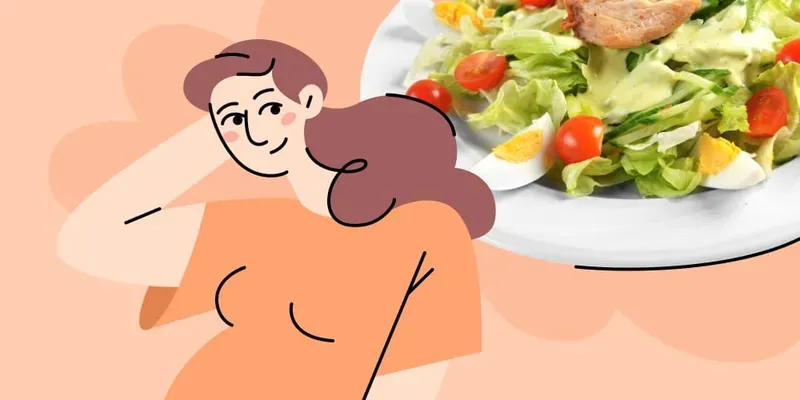
There are a variety of great choices, such as the Mediterranean diet or one with a moderate glycemic level. Your main goal should be to have fewer “empty” calories and include lots of nutritious foods that are rich in vitamins and minerals. Diets designed to lower blood pressure are also a good option, as they can help maintain a healthy weight, and may reduce the risk of preeclampsia and diabetes [6].

Frequently asked questions

During the second trimester, aim to gain about one pound per week. However, individual needs vary based on pre-pregnancy weight and health factors, so consult your doctor for personalized guidelines.

Excessive pregnancy weight gain increases risks of gestational diabetes, high blood pressure, and cesarean delivery. It may also result in a larger baby, making vaginal delivery more difficult.

Yes, insufficient weight gain during pregnancy is linked to premature birth and babies who are small for their gestational age. This can affect your baby's development even if born at full term.

Mediterranean diets and moderate glycemic diets are excellent choices during pregnancy. Focus on nutrient-dense foods rich in vitamins and minerals while limiting empty calories from processed foods.

Medical Disclaimer

This article is for informational purposes only and is not a substitute for professional medical advice, diagnosis, or treatment. Always seek the advice of your physician or qualified health provider with any questions you may have regarding a medical condition.

Meet our medical experts

Medically reviewed content

Reviewed by healthcare professionals · Updated March 25, 2025

Track your pregnancy on the go

Rated 4.8417,594 reviews