What to do if your partner takes a fall
The first half of pregnancy is over. Your partner’s appearance has probably changed in the four months since conception. Her belly and chest appear more prominent and she may notice pigmentation on her skin [1].
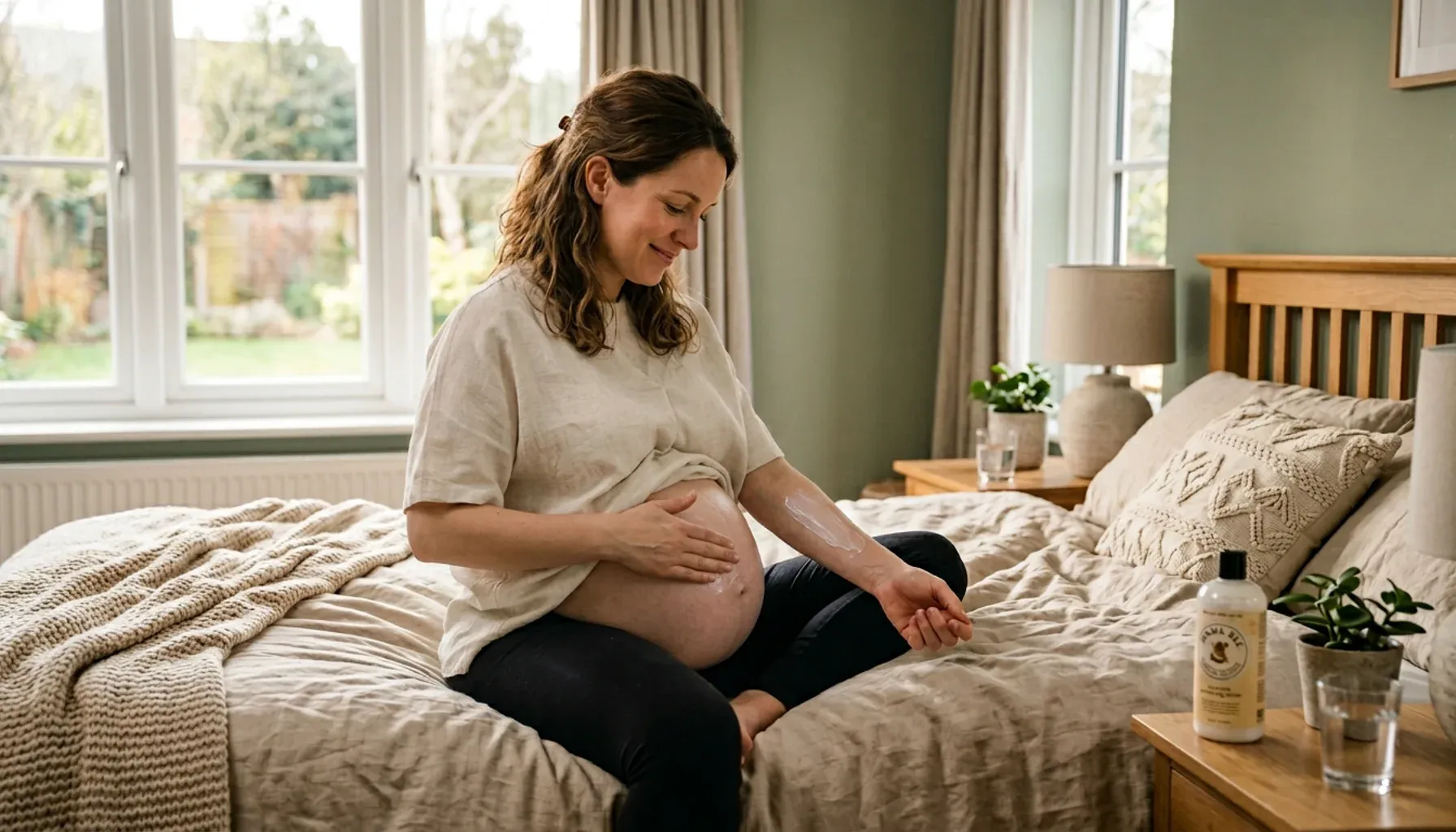
Stretch marks are a part of many pregnant women’s bodies and may start to appear during this phase. These reddish-brown lines occur naturally due to the stretching of the skin, especially in areas where it is thinner. The future mom’s hormones also play a role in this process [1]. Nothing has been proven to prevent stretch marks, but a good moisturizer can provide some welcome relief from the itching that may accompany them [2].
Physiological changes natural to pregnancy can also alter a woman’s posture, balance, and gait. As her center of gravity moves forward, mainly due to the growing fetus and enlarged breasts [3], soreness and back pain can increase [4].
Expectant mothers may find it challenging to adapt to their new form and weight, increasing the possibility of losing their balance. According to statistics, one in every three women falls during pregnancy [5]. Good posture, physical activity, and added precautions can help prevent falls [4].
In worst-case scenarios, a bad fall can lead to placental abruption, rupture of fetal membranes, and premature birth [6]. To verify that everything is okay, your partner should see her doctor if she takes a fall, even if she doesn’t experience any pain. In case of vaginal bleeding, sharp abdominal pain, or sensations similar to contractions after a fall, you should call an ambulance or take her to the emergency room immediately [7].