What the baby sees
The baby can now open their eyes and look around inside the uterus [1]. Their eyesight is still underdeveloped, but they can distinguish between light and darkness and can see the outlines of their hands, knees, and umbilical cord [2]. If you shine a flashlight or lamp on your partner’s stomach, the baby may turn their head toward the light. Some babies may not yet react to the light, though, as their vision is just beginning to develop [3, 4].
The baby’s eyesight will continue to improve after birth. A child is able to distinguish colors and focus on moving objects once they are a few months old [3, 5].
As the baby’s internal organs develop, new functions begin. The bone marrow produces red blood cells, which carry oxygen to organs and tissues. The baby may already have some hair on their head, and their skin is becoming smoother and less wrinkled [1, 6].
From about this stage in pregnancy, the baby will start to use facial expressions, moving their mouth and eyelids.
If your partner is expecting twins
This week, the recommendation is to do a Doppler ultrasound, especially if the babies have a common placenta. But even if they each have their own, they still have to check how well the twins are doing; if their growth is synchronized, and whether they are interfering with each other [7]. In those rare situations when babies share not only the placenta but also the fetal sac, doctors will begin to discuss a possible date for a C-section with the mother. We are talking about weeks 32-34. This type of twins should not be left unmonitored longer [8].
What we can see on an ultrasound
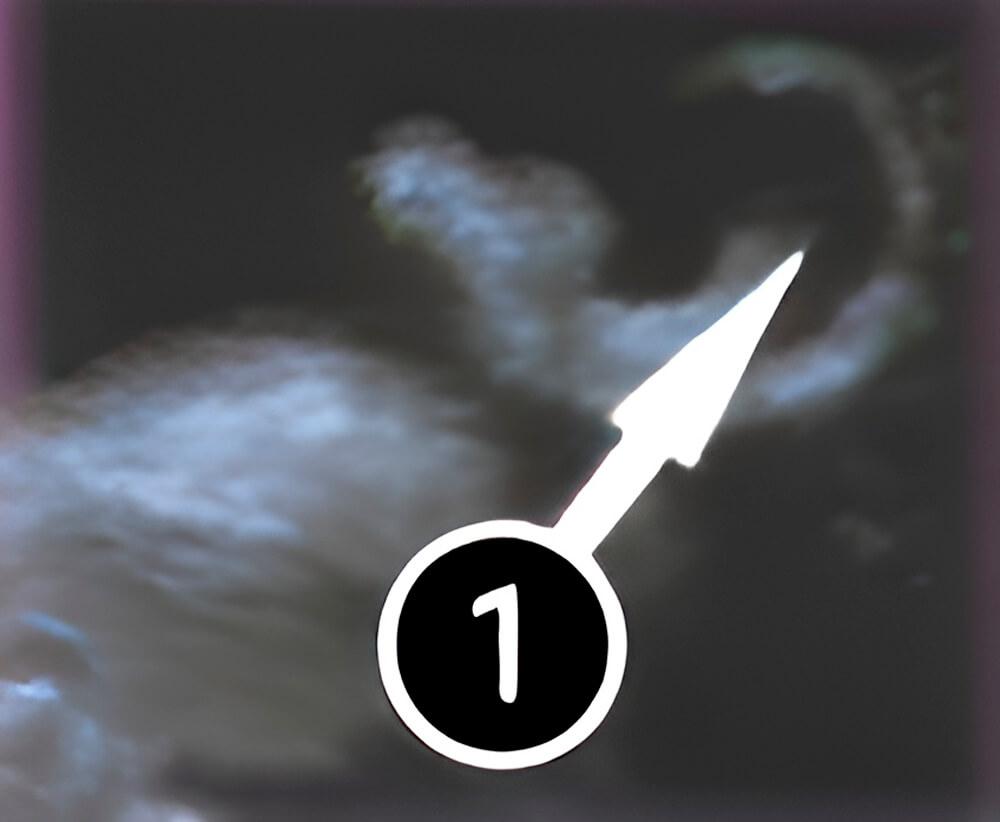
The outline of the ear and earlobe is visible in this image, as is the tragus, a small cartilaginous protrusion at the base of the outer ear. The dark area near the ear is the ear canal that leads to the eardrum. By this week of pregnancy, the baby can hear well, distinguish their mother's voice, and react to sounds from the outside [9].