EN
try amma today
What is polyhydramnios?
Pregnancy

What is polyhydramnios?

2 min readWeek 19
Key takeaways
2 min
  • Recognize symptoms like shortness of breath, ankle swelling, and rapid belly growth as potential signs of polyhydramnios.
  • Understand that polyhydramnios often indicates underlying conditions like diabetes, birth defects, or infections that need treatment.
  • Expect additional tests like glucose tolerance tests and infection screenings if diagnosed with polyhydramnios on ultrasound.
  • Monitor closely for premature labor risks, as severe polyhydramnios can lead to early delivery complications.
  • Discuss any concerning symptoms with your doctor immediately, as early detection improves treatment outcomes.

Polyhydramnios is a pregnancy condition characterized by excess amniotic fluid surrounding the baby. It's often caused by maternal diabetes, fetal abnormalities, or infections, and can lead to premature birth if severe.

amma app

Track your pregnancy in the app

Personalized content for your pregnancy week

Download App

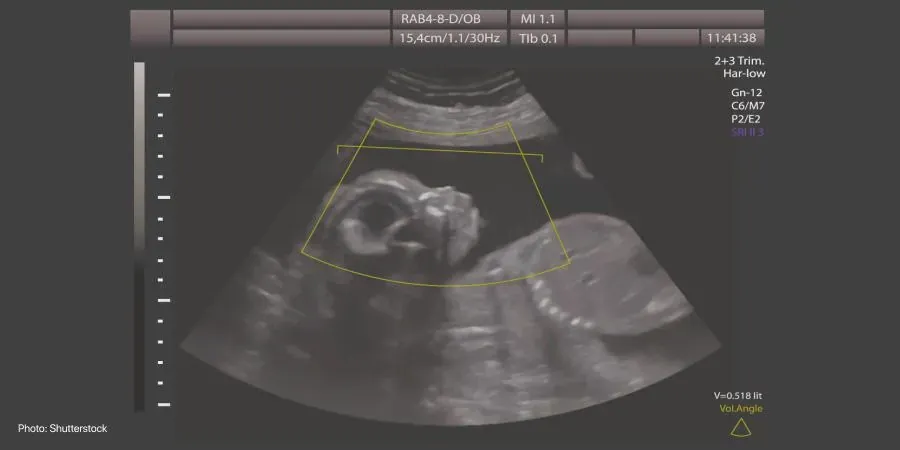
During your second trimester, you may notice the doctor writing "polyhydramnios" on your ultrasound transcripts but may not explain what it means. We’ve gathered some information on polyhydramnios for you in case you're diagnosed with it.  

What is polyhydramnios?

Polyhydramnios is an increase in the volume of amniotic fluid. Mild polyhydramnios often causes few or no symptoms. Some women may experience symptoms like:

  • shortness of breath

  • swelling in the ankles or feet

  • your tummy suddenly gets bigger

  • constipation

  • fatigue

  • feelings of tightness in the muscles of the uterus, called contractions.

These can be common problems for pregnant women and are not necessarily caused by polyhydramnios [1, 2]. So talk to your gynecologist about your concerns.

Why is polyhydramnios dangerous?

Polyhydramnios is usually a symptom of other conditions, such as [1]:

  • developmental defects in a child

  • diabetes mellitus in mom

  • anemia in baby

  • intrauterine infections (eg. rubella or cytomegalovirus).

Severe polyhydramnios can cause premature birth and should not be ignored. 

What other exams can help diagnose polyhydramnios?

If the doctor saw polyhydramnios on an ultrasound scan, then the main task is to find out what caused it. Your doctor may refer you for: 

What is glucose tolerance?

Sometimes diabetes is latent. When you take a fasting blood test, glucose levels may return to normal. During the glucose tolerance test, you will have several blood tests in a row after drinking a special sugary drink. This test will show your rate of glucose uptake and allow early detection of diabetes.

What are anti-Rh antibodies? 

Anti-Rh antibodies are produced in the mother's blood if she does not have the same Rh factor as her baby. The condition can attack the baby's red blood cells, causing anemia.

Since both diabetes in the mother and anemia in the baby can lead to polyhydramnios, your doctor will check for both if they have any concerns. Once the cause is established, therapy for polyhydramnios will be the next step.


Frequently asked questions

Polyhydramnios is typically caused by maternal diabetes, fetal birth defects, baby's anemia, or intrauterine infections like rubella. Sometimes the cause remains unknown, but thorough testing helps identify the underlying condition.

Mild polyhydramnios usually poses minimal risk, but severe cases can cause premature birth and delivery complications. The underlying condition causing polyhydramnios may also affect your baby's health.

Polyhydramnios is diagnosed through ultrasound by measuring amniotic fluid levels. Additional tests may include glucose tolerance tests, infection screenings, and Rh antibody tests to identify the cause.

Symptoms include shortness of breath, swollen ankles, rapid belly enlargement, constipation, and uterine contractions. However, mild cases often have no symptoms and are only detected during routine ultrasounds.

Treatment focuses on addressing the underlying cause, such as managing maternal diabetes or treating infections. Severe cases may require amniotic fluid drainage or early delivery monitoring.

Medical Disclaimer

This article is for informational purposes only and is not a substitute for professional medical advice, diagnosis, or treatment. Always seek the advice of your physician or qualified health provider with any questions you may have regarding a medical condition.

Meet our medical experts

Medically reviewed content

Reviewed by healthcare professionals · Updated March 25, 2025

Track your pregnancy on the go

Rated 4.8417,594 reviews