EN
try amma today
Wearing heels while pregnant – is it safe?
Pregnancy

Wearing heels while pregnant – is it safe?

2 min readWeek 15
Key takeaways
2 min
  • Avoid high heels during pregnancy as they increase fall risk and strain your shifting center of gravity.
  • Choose shoes with 1-inch heels and good arch support instead of completely flat shoes or high heels.
  • Watch for foot swelling and size changes due to fluid retention throughout pregnancy.
  • Consider orthopedic insoles if you're carrying twins or gaining weight rapidly.
  • Opt for supportive sneakers year-round, but switch to rubber-soled shoes in winter for better traction.

High heels are not safe during pregnancy as they increase fall risk and strain your back due to your shifting center of gravity. Choose shoes with 1-inch heels and good arch support instead of high heels or completely flat shoes for optimal safety and comfort.

amma app

Track your pregnancy in the app

Personalized content for your pregnancy week

Download App

As your pregnancy progresses, high heels can pose several health risks. Here's why they might not be the best fashion choice right now.

How does wearing high heels affect your body?

Whether you’re tall or short, pregnant or not, high heeled shoes [1]:

  • put excessive pressure on your knees;

  • challenge your stability and balance when walking or standing;

  • strain your hips and spine;

  • interfere with blood circulation, putting additional pressure on veins which can cause swelling and even lead to varicose veins;

  • damage your feet by forcing them into unnatural shapes that put pressure on the front balls and arches, causing a host of problems including bunions and joint issues.

So can I really not wear heels while pregnant?

As your pregnancy progresses and your belly grows, your center of gravity shifts more and more. High heeled shoes force your body to bend forward, which can put additional strain on your back [2]. You have a higher likelihood of falling, of experiencing muscle fatigue, and of unnecessarily burdening your already hard-working musculoskeletal system.

What should I wear instead?

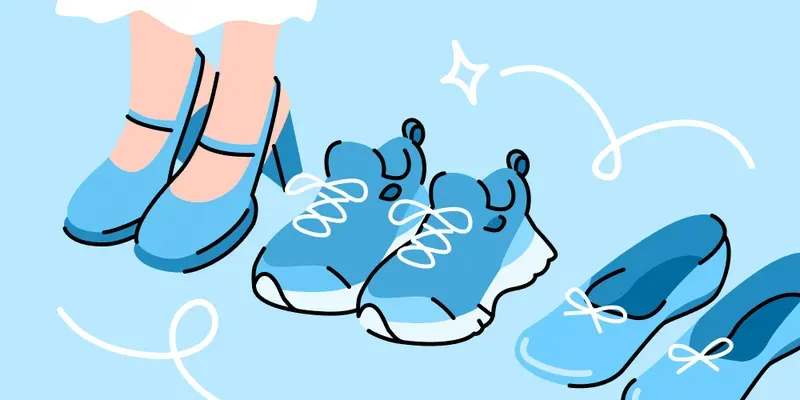
Fluid retention can cause your feet to swell and change shape and size. The best choice is a shoe with a low heel (not a totally flat one; around a 1” heel is recommended) that has good arch support [2]. Ballerina flats and flip-flops are not a good everyday choice because they’re not supportive shoes.

In situations where your musculoskeletal system is under great stress, like when you gain weight very quickly or are expecting twins, it’s worth talking to an orthopedist about insoles and instep supports. These simple additions can help your body better distribute your weight, support your foot arches, and protect your legs from deformation and impaired blood flow.

What about sneakers?

Sneakers are a great choice for certain times of the year. They’re not recommended for winter if you live in a place that gets ice or snow; you’ll need shoes with thick rubber soles that will keep you safer from falls. Wear your sneakers the rest of the year, along with low heels and sandals when the weather is right for them.


Frequently asked questions

You can wear low heels (around 1 inch) during pregnancy, but high heels are not recommended. High heels increase your risk of falling and put extra strain on your back as your center of gravity shifts.

The best pregnancy shoes have low heels (about 1 inch), good arch support, and accommodate foot swelling. Supportive sneakers, low-heeled shoes, and sandals with proper support are ideal choices.

High heels worsen the natural forward shift in your center of gravity during pregnancy, increasing fall risk. They also strain your back, reduce circulation, and put excessive pressure on your feet and joints.

Completely flat shoes like ballet flats and flip-flops aren't ideal for daily wear during pregnancy. They lack proper arch support that your changing body needs for weight distribution and stability.

Consider new shoes when you notice foot swelling or size changes, typically in the second trimester. If you're carrying twins or gaining weight rapidly, consult an orthopedist about supportive insoles.

Medical Disclaimer

This article is for informational purposes only and is not a substitute for professional medical advice, diagnosis, or treatment. Always seek the advice of your physician or qualified health provider with any questions you may have regarding a medical condition.

Meet our medical experts

Medically reviewed content

Reviewed by healthcare professionals · Updated March 25, 2025

Track your pregnancy on the go

Rated 4.8417,594 reviews