EN
try amma today
Sand therapy: what and why
Pregnancy

Sand therapy: what and why

3 min readWeek 16
Key takeaways
3 min
  • Use sand therapy to reconnect with childhood memories and reduce pregnancy-related stress through tactile sensory engagement.
  • Express difficult emotions like anger, fear, and anxiety through creative sand play when words feel inadequate.
  • Work with wet and dry sand to create drawings, sculptures, or scenes that represent your inner feelings and experiences.
  • Find professional sand therapy sessions with art therapists who provide guided support and figurines for enhanced storytelling.
  • Keep photographs of your sand creations to revisit during anxious moments for comfort and emotional grounding.

Sand therapy is a creative therapeutic technique where participants use sand to express emotions through drawing and sculpting. It helps regulate emotions by activating tactile memories of childhood play, making it especially beneficial for managing pregnancy-related stress and anxiety.

amma app

Track your pregnancy in the app

Personalized content for your pregnancy week

Download App

By playing with sand, you return to childhood and you can regain a sense of security and allow yourself space to deal with anger, fear or anxiety.

During pregnancy, you may be overwhelmed. If you feel like bursting into tears, or everyday occurrences are starting to annoy you — you can blame it on the hormones. Sand therapy is one way to help regulate your emotions.

Sand? Are you serious?

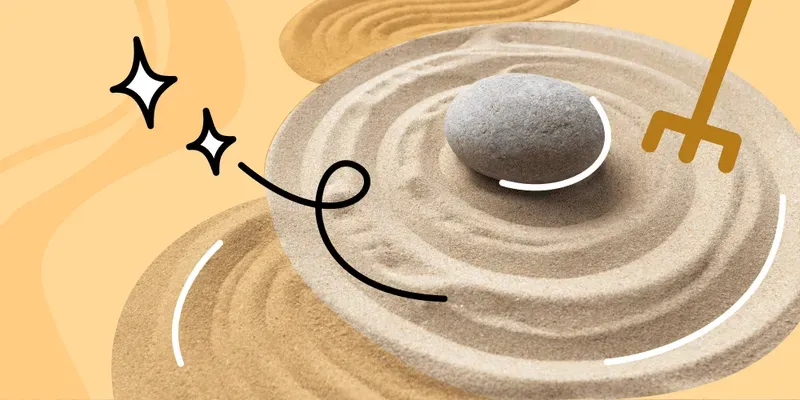
This is not a joke. Sand is a good material for creativity. With it, you can draw and sculpt. Plus, the malleable material can easily change shape many times. You can immediately create something new.

How does this relate to regulating emotions?

Creativity helps to express feelings. Research shows that emotional relaxation significantly reduces stress levels. You can draw with sand what words cannot say [1].

And when we touch sand, we unconsciously return to happy memories. The body remembers playing in the sandbox, trips to the beach, happy and carefree times.

As you play with sand, you will find it easier to express feelings. This is due to the fact that tactile receptors are activated. Children learn about the world precisely through touch. At the beginning of life, for communication, they use much more bodily contact than sounds or visual images. So the sand returns you childlike spontaneity.

Where can I get sand for therapy?

It is best to sign up for a session with an art therapist. With two sandboxes, one wet and one dry, your therapist will help you start to play with the sand and connect with your emotions. Usually, the therapist will also have a set of figurines for you to incorporate into your artwork.

And what do you do with sandboxes?

Anything that comes to your mind: make a drawing in the sand or blind a figure. The therapist will also suggest taking different figurines. They depict people, animals, plants, and other objects.

If you want, you can tell a story that connects with the drawings, sand structures and figures you use. But this is not necessary.

The sandbox is a place where you are completely safe and completely free. You can create, show imagination, destroy. It is believed that in such conditions, the human psyche finds the necessary images for their feelings and experiences and helps you to relieve tension.

Finally, the therapist will take a photograph of the sand painting. If you like drawing in the sand, you can look at the photo often. In moments of anxiety, it will return you to a place where it is comfortable and safe.

Frequently asked questions

Sand therapy is a form of creative therapy where participants use sand to express emotions through drawing, sculpting, and play. It works by activating tactile receptors and connecting to positive childhood memories, helping regulate emotions and reduce stress.

Yes, sand therapy is a safe, non-invasive therapeutic approach for pregnant women. It provides a gentle way to process pregnancy-related emotions and hormonal changes without any physical risks.

Sand therapy sessions are typically offered by licensed art therapists or mental health professionals. Look for therapists who specialize in expressive arts therapy or specifically mention sand play therapy in their practice.

During a session, you'll work with wet and dry sand in specially designed sandboxes, creating drawings or sculptures. Therapists often provide figurines to incorporate into your creations and may photograph your final artwork for you to keep.

Medical Disclaimer

This article is for informational purposes only and is not a substitute for professional medical advice, diagnosis, or treatment. Always seek the advice of your physician or qualified health provider with any questions you may have regarding a medical condition.

Meet our medical experts

Medically reviewed content

Reviewed by healthcare professionals · Updated June 2, 2025

Track your pregnancy on the go

Rated 4.8417,594 reviews