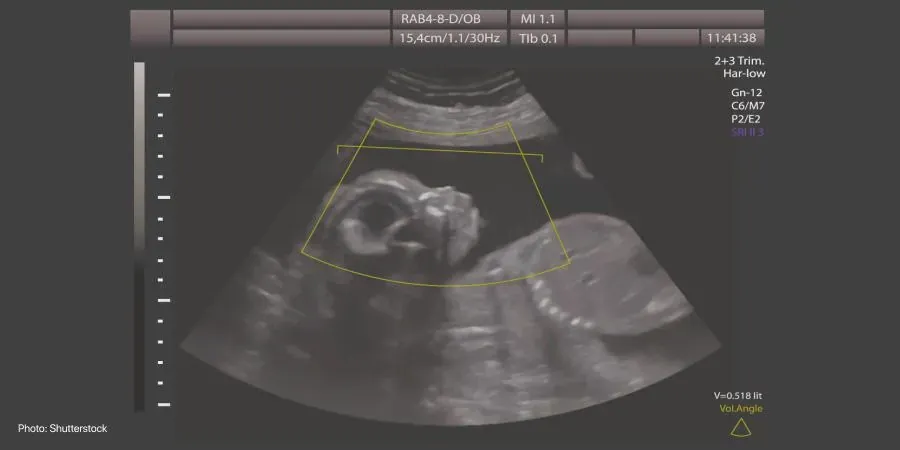

Physical barriers are not the only problem for people with disabilities. Another obstacle is people’s rudeness, including doctors [1]. In this guide, we offer some suggestions as to how you can respond to tactless remarks.
First of all, it's important to acknowledge that you can and should respond to rudeness from medical personnel. It's not the same as being mocked on the street or facing ignorant questions from strangers. With doctors, you are building long-term relationships, and it's better to establish boundaries from the beginning.
If you find it difficult to respond to rudeness on the spot, come up with a couple of phrases and rehearse them. For example, "I find it unpleasant to hear that" or "Please, don't speak to me in that tone." We have gathered the most common remarks from doctors and provided comments to help you feel more confident when you respond.
"Who gave you permission to get pregnant?"
Women with disabilities have the same right to be mothers as everyone else. This is the official position of the WHO and the UN [2, 3]. You don't need a doctor's permission to have sex and conceive, although preparing for pregnancy is advisable [4]. But even if you didn’t do that, no one has the right to accuse you of being irresponsible. Nearly half of pregnancies worldwide are unplanned, and doctors somehow accept that [5]. Your case is not an exception.
"You won't be able to carry the baby."
Most women with disabilities successfully carry and give birth to healthy babies [6]. Yes, it may be a high-risk pregnancy, as women with disabilities are more likely to experience complications. However, with proper medical care, they can be reduced.
"The child may be disabled."
That is not a certainty. It all depends on the type of condition you have. Some diseases are inherited, while others are not; some conditions can affect prenatal development, while others do not. Indeed, mothers with disabilities are more likely to have premature and low birth weight babies. And it's not so much the mother's illness, but the specifics of the pregnancy, as women with disabilities tend to be more afraid of seeking medical help and receive inadequate healthcare [7, 8]. All women deserve fair treatment.
"We don't have time to deal with you."
In the US, medical assistance cannot be denied due to lack of time, it is illegal [9]. You cannot be refused care, even if the clinic does not have the necessary equipment (such as scales for people in wheelchairs and beds for patients with mobility restrictions). If your rights are violated, you can file a complaint on the ADA website.