
Make a plan for the first days after giving birth
The end of your pregnancy is just around the corner! You are probably worried about the upcoming birth. This feeling is natural, especially if this is your first pregnancy.
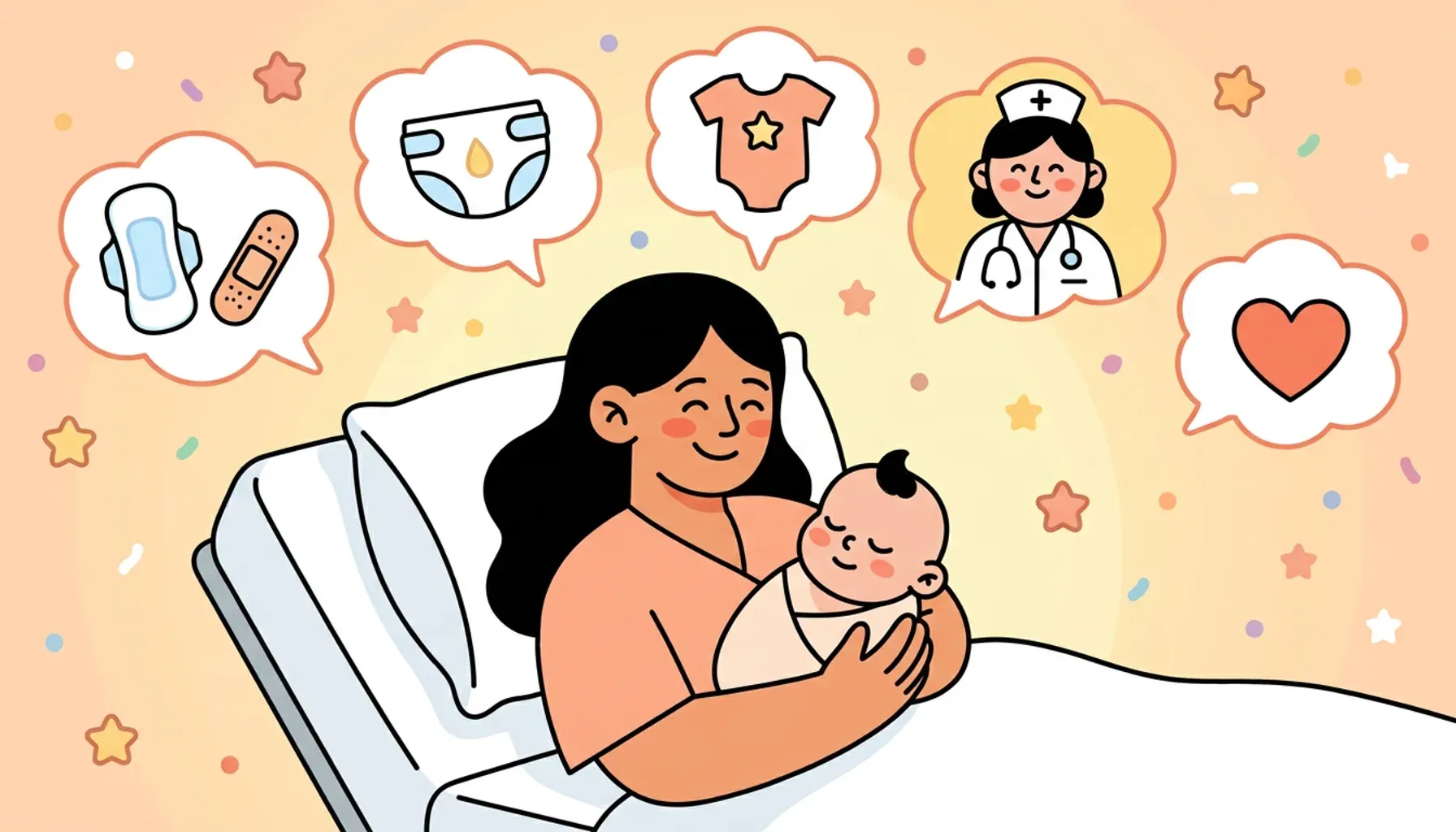
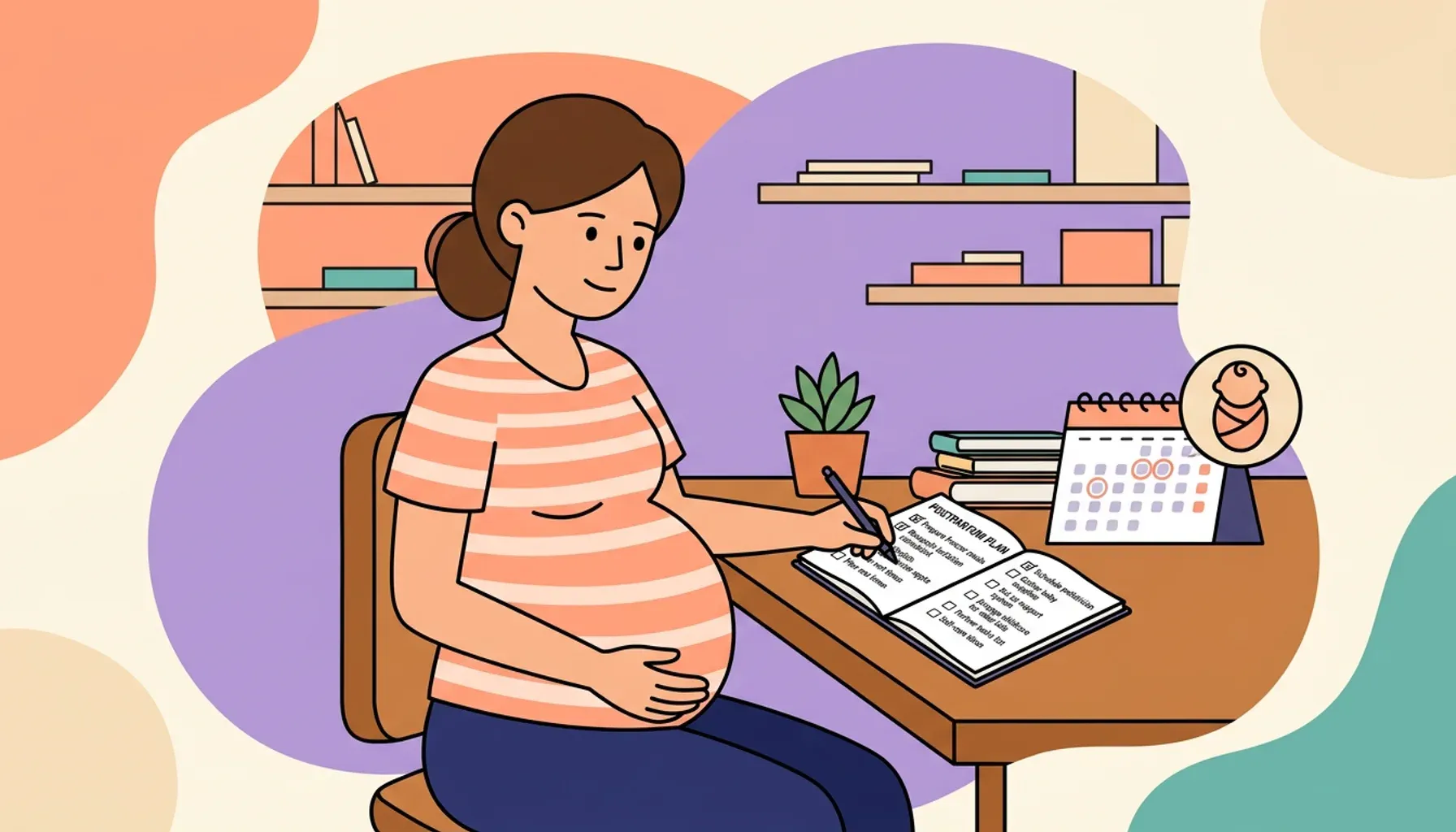
You can relieve some of your anxiety by writing down your thoughts and planning for the first days after your baby is born because well-thought-out plans can significantly reduce stress. For example, if you plan on breastfeeding, choose a postpartum bra and clothes that will comfortably accommodate it [1].
During this period, the doctor will closely monitor your abdomen, measuring and feeling it to determine the baby’s position. The baby may already be in a head-down position, which is ideal. But don’t worry if they haven’t turned, many babies shift later [2].
The doctor will also check your blood pressure. This is important because high blood pressure, combined with swelling of the hands and face and increased protein in the urine, may indicate preeclampsia. You can lower your blood pressure by adjusting your diet and doing physical activity, like walking or swimming.
During pregnancy, the load on the pelvic bones increases, so many expectant mothers experience hip pain. If this is your case, try sitting on an exercise ball, this can relieve pressure on the pelvis. You can also reduce pain by strengthening your gluteal and vaginal muscles with prenatal exercises such as Kegels [3].
If you are expecting twins
It's time to find someone who can lend a helping hand during the first weeks after you return from the hospital. Mothers of twins really need the extra support, otherwise you will simply not have time to eat and sleep. You will also probably need a breastfeeding consultant, nursing two (or three!) can be particularly challenging. You are just in time to prepare for this and arrange for support.
Discharge
Healthy discharge from the genital tract should appear uniform and milky in color. A yellow-green discharge, a cheesy or frothy consistency, and an unpleasant odor indicate the presence of an infection. Bloody discharge requires urgent medical attention [4].