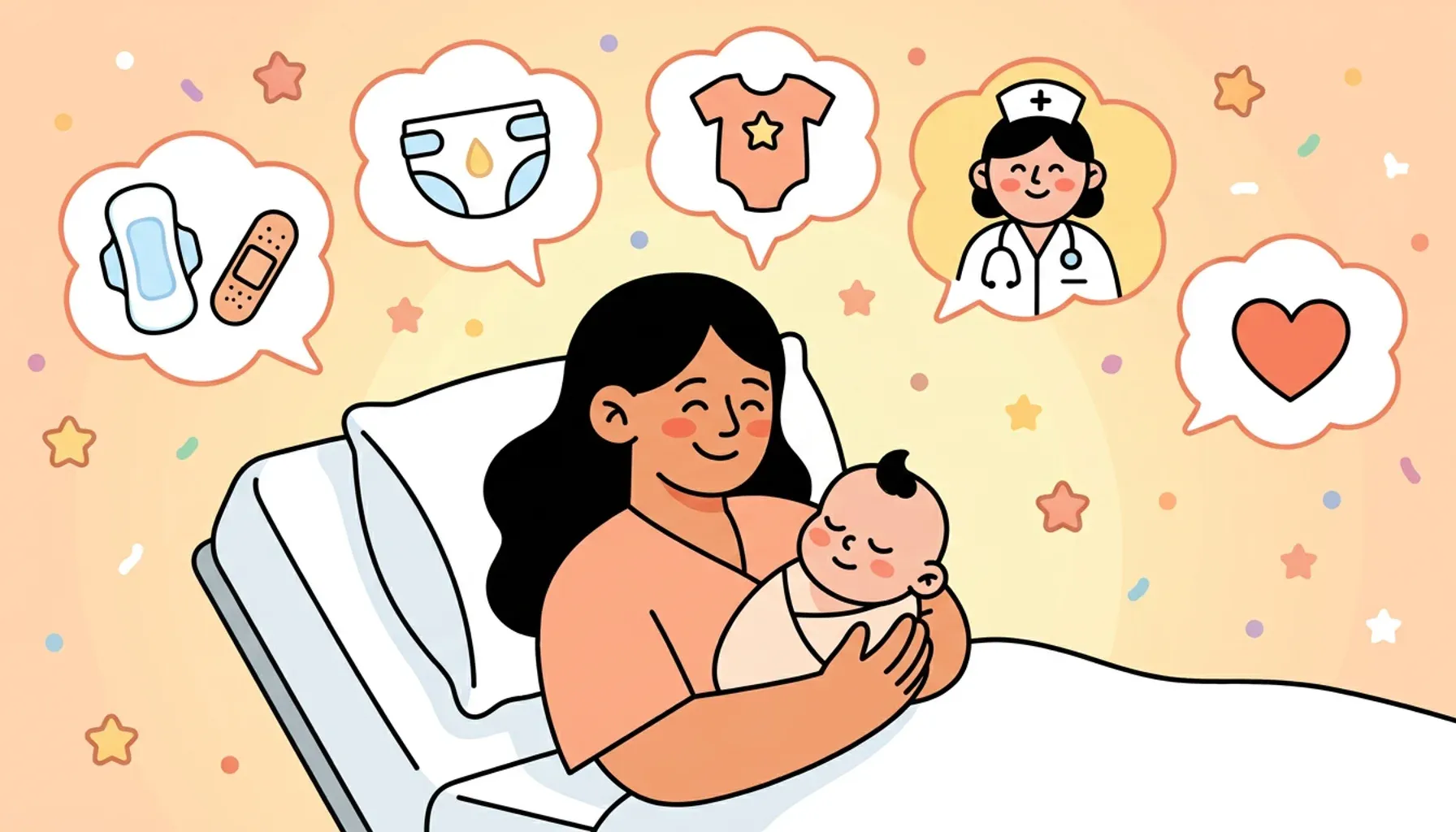
- Use incontinence pads instead of menstrual pads during the first week as postpartum discharge is typically much heavier than regular periods.
- Learn essential baby care skills like diaper changes and clothing while hospital nurses are available to provide guidance and support.
- Seek immediate breastfeeding help if you experience pain during latching, notice breast lumps, or have concerns about milk supply.
- Sleep whenever possible during the day since normal sleep patterns won't return quickly after bringing baby home.
- Skip daily baths for newborns in the first week - gentle washing with wet wipes is sufficient for proper hygiene.
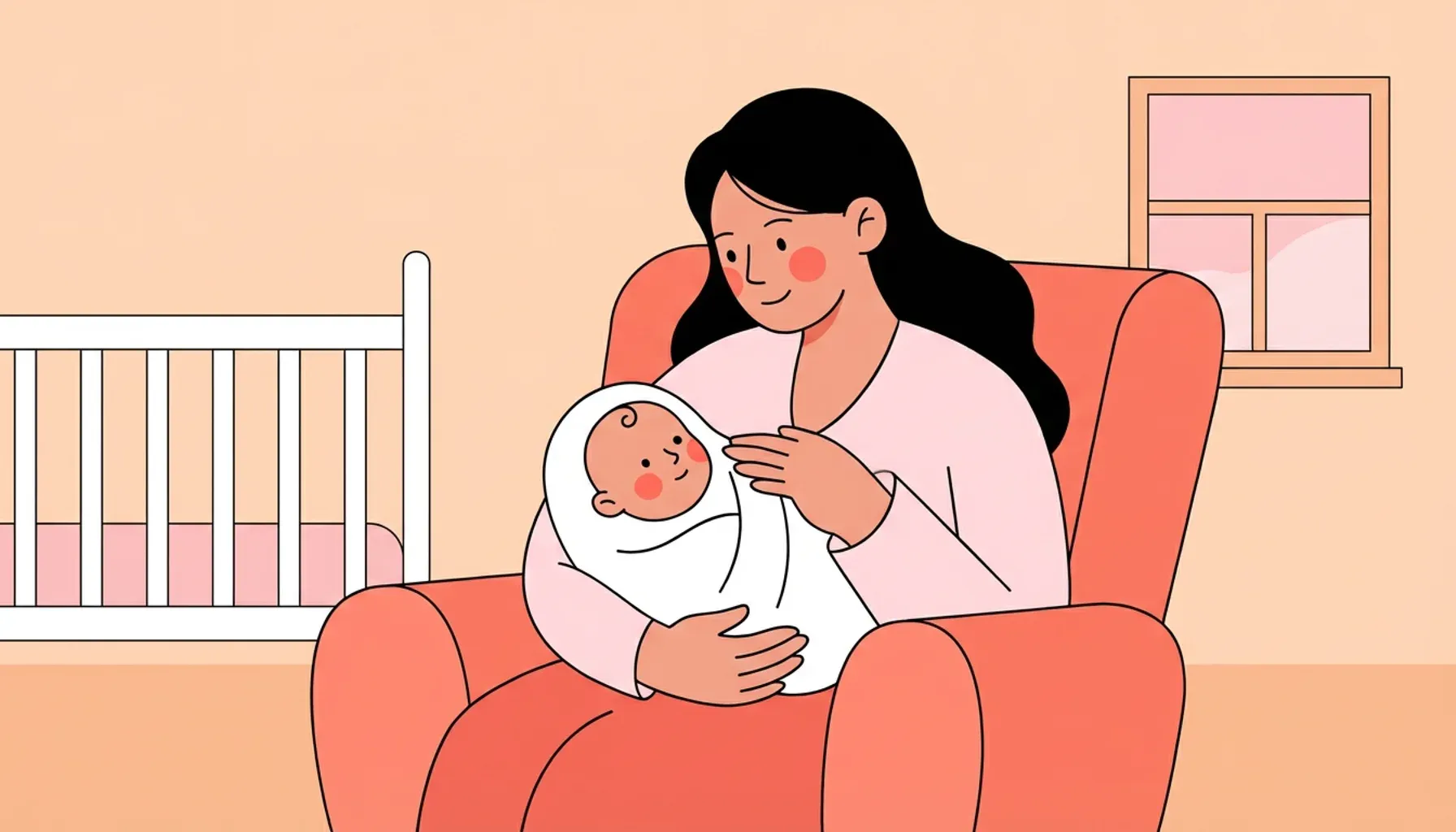
The first week after birth requires using heavy-duty incontinence pads, learning baby care basics while nurses are available, seeking immediate breastfeeding support when needed, sleeping during the day, and keeping newborn hygiene simple with wipes instead of daily baths.
Track week 1 in the amma app
Personalized daily updates for your pregnancy
Not sure how far along you are?
Convert weeks to months, estimate your due date, and follow week-by-week progress.
Use incontinence pads or special postpartum panties instead of regular menstrual pads. Postpartum discharge (lochia) is much heavier than menstrual flow, especially in the first few days.
No, daily baths are unnecessary for newborns in their first week. Simply washing and wiping with wet wipes is sufficient to keep your baby clean and comfortable.
Seek help immediately if breastfeeding is painful, you notice lumps in your breasts, or you're concerned about low milk supply. Hospital staff can provide valuable guidance while you're still there.
Sleep whenever possible, including during the day. Your normal sleep schedule won't return soon, so rest when your baby rests rather than trying to maintain pre-baby patterns.
Focus on essential skills like changing diapers, dressing your baby, and proper nipple care for breastfeeding. Take advantage of having nurses nearby to guide you through these tasks.
Medical Disclaimer
This article is for informational purposes only and is not a substitute for professional medical advice, diagnosis, or treatment. Always seek the advice of your physician or qualified health provider with any questions you may have regarding a medical condition.
Meet our medical expertsMedically reviewed content
Reviewed by healthcare professionals · Updated September 8, 2024
This article is based on peer-reviewed research and trusted medical sources.
You might also like
New Parent 2 min Losing your baby bump after baby’s birth
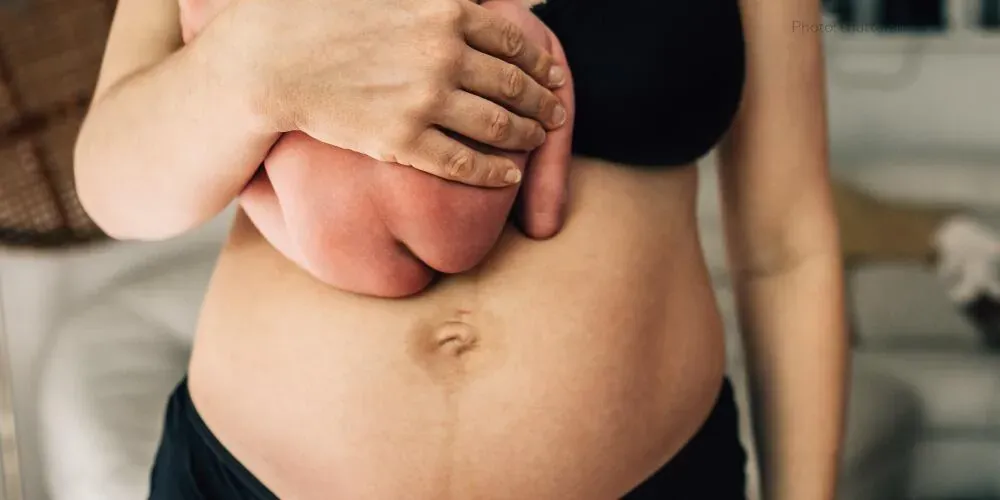
Wondering when your baby bump will disappear after delivery? Learn about uterine involution, realistic timelines, and healthy weight loss tips for new moms.
New Parent 2 min The first days at home
Navigate your first days home after a healthy pregnancy with essential newborn care tips. Learn about screenings, checkups, and what's normal vs concerning.
Pregnancy 3 min The first days after a C-section
Navigate your C-section recovery with expert tips on managing pain, constipation, and daily care. Essential guidance for a healthy pregnancy recovery.
Pregnancy 2 min Make a plan for the first days after giving birth
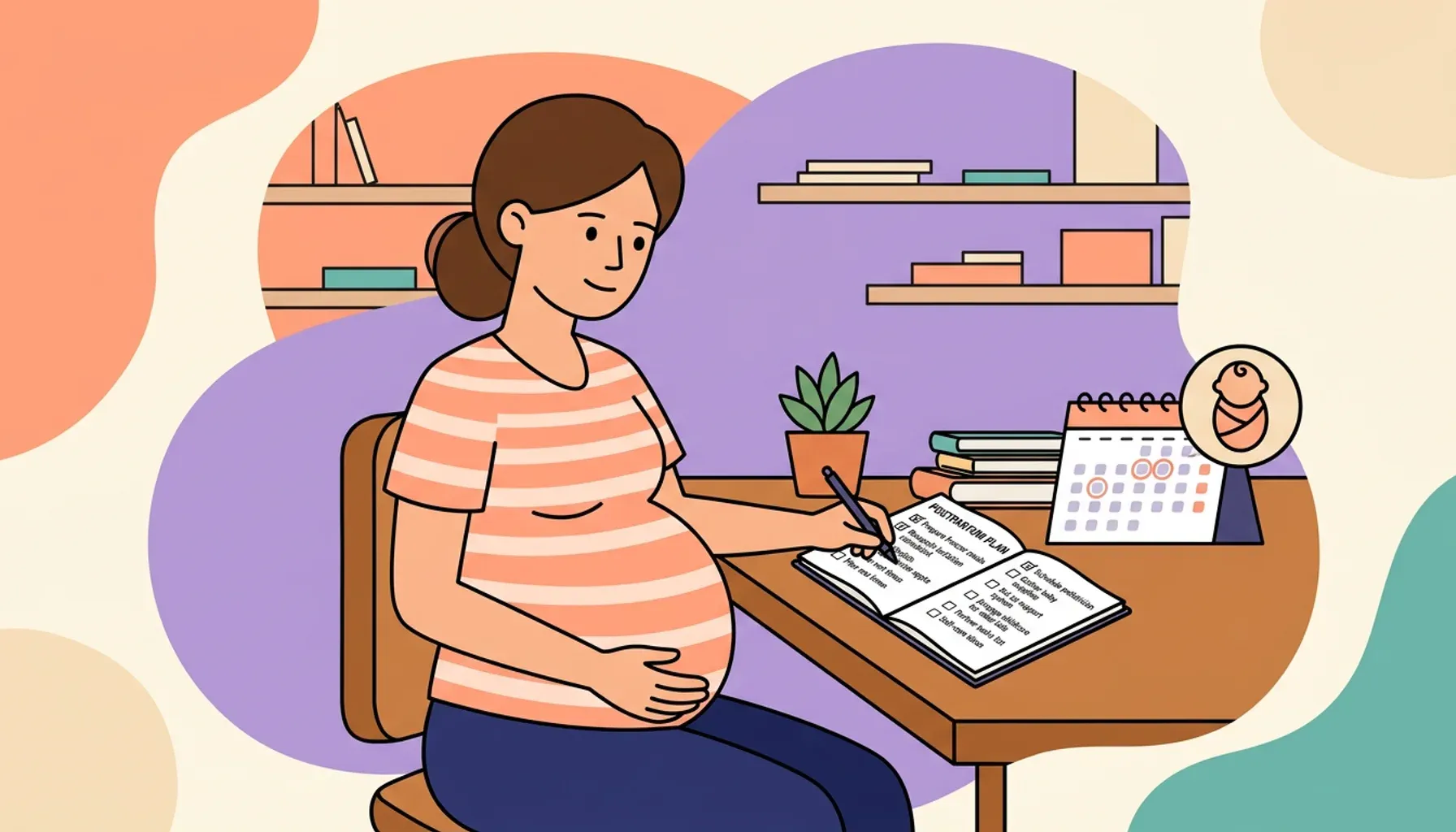
Plan your first days after birth with our comprehensive guide. From choosing baby names to breastfeeding prep and recovery tips. Get your postpartum checklist now!
Pregnancy 1 min Got Iodine?
Learn why iodine is crucial for healthy pregnancy and baby's brain development. Discover safe food sources and avoid supplement risks. Get expert tips now!
Pregnancy 3 min You may have leg cramps and need to urinate frequently
Learn about common third trimester symptoms including leg cramps, frequent urination, and sleep challenges. Get expert tips for relief and comfort during late pregnancy.