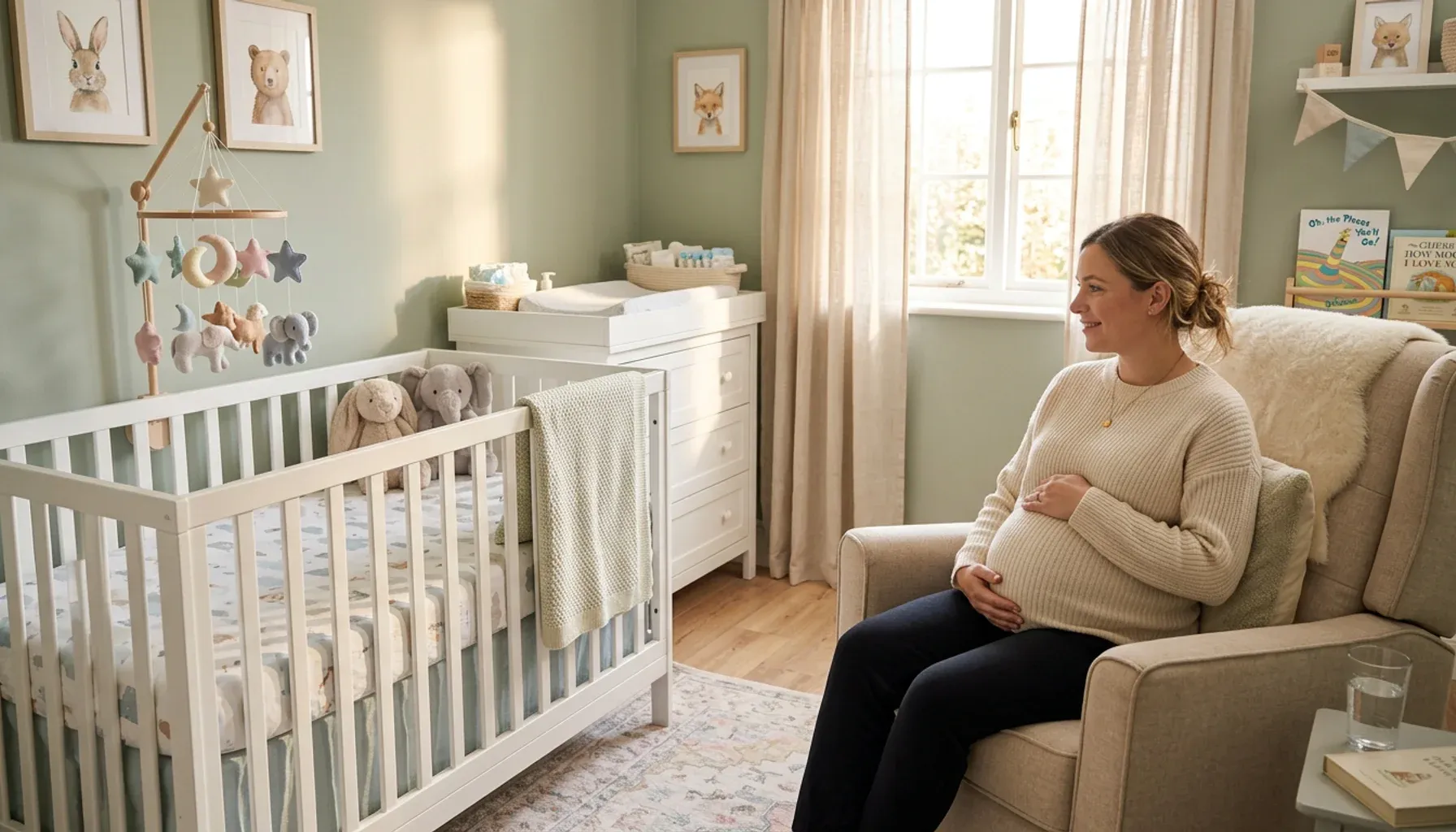

Mothers of twins like to imagine what their children will be like when they are born. And one of the pair sometimes evokes more sympathy. You shouldn't blame yourself: it's a natural mental reaction.
Why do I even compare my children?
Pregnant women tend to fantasize about future children. Sometimes this happens even before conception. And when the babies begin to move, their images become especially realistic. A woman talks to her children, imagining what they look like. This is useful: so attachment begins to form. It is necessary for children to grow up healthy and happy. Those who communicate with children during pregnancy, better establish contact with them after birth, become more sensitive to their needs [1].
But if you have twins, there are nuances. "Loving" two is more difficult than one. After all, the second child is not just a copy of the first: even if they resemble each other like two drops of water.
To distinguish one child from the second, the psyche begins to "prescribe" their character traits. To make it easier, it emphasizes the differences, makes them explicit. For example, listening to the children, you feel that one child is more active than the other. From this you conclude — the left one is an extrovert, and the right one is an introvert. Or vice versa.
Such a conclusion may be based on facts, but its scope is greatly inflated. The fantasy flies further: you imagine how children behave at home, on the street, with friends, in kindergarten, how they study, what profession they choose - and so on to infinity.
The kind of stories the brain constructs depends very much on previous experiences. You unconsciously give children character traits of relatives, acquaintances, movie characters. You play out scenarios that you know personally, from the words of friends, from TV shows, social networking feeds. Some of the behavior you like more, some less. So you begin to treat children differently.
So it's bad to fantasize?
It's okay to fantasize. So you prepare for the role of a mother. This is a way to cope with the fear of the future, which is not yet drawn in detail. Through "waking dreams" you can understand what you want from life, what calms you, and what, on the contrary, alarms and frightens you [2].
But the images you create exist only in your head. Dreams cannot predict what will happen in the future. When you think you love one child more than another, you are reasoning about imaginary children [2].
Your real children will be very different, and you will love them just the way they are. You will have many opportunities to get to know them better. You will explore them, discover something new every day, marvel at their similarities and differences. It's even more exciting than in fantasy!