EN
try amma today
I didn’t know I was pregnant & I drank alcohol
Pregnancy

I didn’t know I was pregnant & I drank alcohol

2 min readWeek 8
Key takeaways
2 min
  • Stop drinking alcohol immediately once you discover you're pregnant, as no amount is considered safe during pregnancy.
  • Understand that 1-4 drinks per week in early pregnancy typically doesn't cause pregnancy loss according to long-term studies.
  • Know that fetal alcohol syndrome primarily develops when drinking continues throughout pregnancy, not from early exposure before awareness.
  • Consult your healthcare provider about your drinking history to get personalized guidance and monitoring.
  • Seek professional help if you're unable to stop drinking on your own during pregnancy.

If you drank alcohol before knowing you were pregnant but stopped once you found out, most likely no harm was done. Studies show light drinking (1-4 servings weekly) in early pregnancy doesn't typically cause pregnancy loss or major complications when stopped early.

amma app

Track your pregnancy in the app

Personalized content for your pregnancy week

Download App

All medical organizations agree: it is better to abstain from alcohol during pregnancy. However, studies show that at least 50% of expectant mothers have consumed alcohol in the first trimester [1].

What doses can be considered safe for the baby?

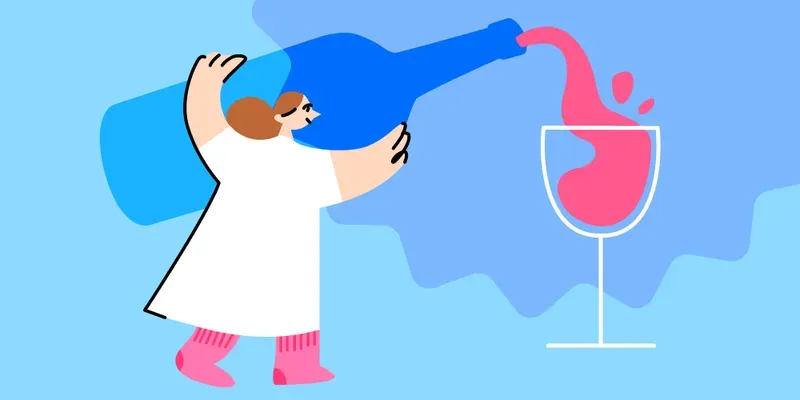
None. By default, there are no safe doses [1]. It would be unethical to test how much alcohol is safe for pregnant women to drink. It is already known that alcohol passes through the placenta and enters the bloodstream of the baby. And a baby's liver develops later in the developmental process. So, unlike you, developing babies in utero are unable to process and remove alcohol from their body [2]. This can lead to the development of fetal alcohol syndrome (FAS).

What is FAS?

FAS most often develops in a child if the mother drank alcoholic beverages throughout the pregnancy. The syndrome manifests itself in delayed or poor physical, mental and emotional development [3].

What if I drank before I found out I was pregnant?

If you stopped drinking when you found out you were pregnant and your pregnancy is developing normally, then most likely you can calm down: nothing terrible will happen. Long-term studies have shown that drinking one to four servings of alcohol per week during the first trimester did not lead to pregnancy loss [1, 4].

How much is a portion?

A serving is approximately 12 grams of pure alcohol. That is, a glass of wine, a can of beer or shot of liquor.

What if I drank more?

The risk of miscarriage increases with large doses of alcohol, but, as a rule, most cases occur before 10 weeks [5]. If you have passed this mark, you can calm down [1, 4].

However, frequent alcohol consumption may indicate addiction. If you cannot stop drinking on your own and continue drinking throughout your pregnancy, this is dangerous for both you and your child. Tell your doctor, and seek support to help you stop drinking.
Frequently asked questions

If you stopped drinking when you found out you were pregnant and your pregnancy is developing normally, most likely no harm was done. Studies show that 1-4 drinks per week in the first trimester typically don't lead to pregnancy loss.

Fetal alcohol syndrome most often develops when mothers drink throughout pregnancy, not from early exposure before knowing they're pregnant. However, there is no safe amount of alcohol during pregnancy.

Miscarriage risk increases with large doses of alcohol, with most cases occurring before 10 weeks. Light drinking (1-4 servings per week) in early pregnancy hasn't been shown to increase pregnancy loss risk.

Yes, you should inform your healthcare provider about any alcohol consumption. They can provide personalized guidance and appropriate monitoring throughout your pregnancy.

One serving equals approximately 12 grams of pure alcohol: one glass of wine, one can of beer, or one shot of liquor. Remember, no amount is considered safe once you know you're pregnant.

Medical Disclaimer

This article is for informational purposes only and is not a substitute for professional medical advice, diagnosis, or treatment. Always seek the advice of your physician or qualified health provider with any questions you may have regarding a medical condition.

Meet our medical experts

Medically reviewed content

Reviewed by healthcare professionals · Updated November 15, 2024

Track your pregnancy on the go

Rated 4.8417,594 reviews