EN
try amma today
How to relieve high pressure with your diet
Pregnancy

How to relieve high pressure with your diet

2 min readWeek 25
Key takeaways
2 min
  • Follow the DASH diet recommended by CDC to effectively reduce gestational hypertension and prevent complications like preeclampsia.
  • Include calcium, vitamin D, magnesium, and zinc-rich foods like dairy, fish, nuts, seeds, and legumes in your daily diet.
  • Reduce animal fats and increase physical activity to naturally lower blood pressure during pregnancy.
  • Start dietary changes after 20 weeks when gestational hypertension typically appears to maximize protective benefits.
  • Combine proper nutrition with regular exercise to reduce risks of premature birth and future hypertension development.

To relieve high blood pressure during pregnancy, follow the CDC-recommended DASH diet rich in calcium, vitamin D, magnesium, and zinc. Include dairy products, fish, nuts, seeds, and legumes while reducing animal fats and increasing exercise for optimal blood pressure control.

amma app

Track your pregnancy in the app

Personalized content for your pregnancy week

Download App

How to relieve high pressure with your diet

Gestational hypertension is high blood pressure that first appears after 20 weeks of pregnancy. Usually after your baby is born this kind of hypertension will pass. However, gestational hypertension can cause serious complications during pregnancy and, secondly, it increases the risk of developing hypertension in the future [1].

High blood pressure (especially in combination with risk factors such as diabetes and a BMI> 30) poses a risk of preeclampsia and premature birth. However, a proper diet and exercise can reduce risks [2].

American Centers for Disease Control and Prevention recommend a DASH diet for pregnant women, which has proven to be effective in reducing blood pressure [3]. But European studies show that it’s very effective against gestational hypertension [4]. High blood pressure during pregnancy is caused by many factors, and not everything depends on your good eating habits.

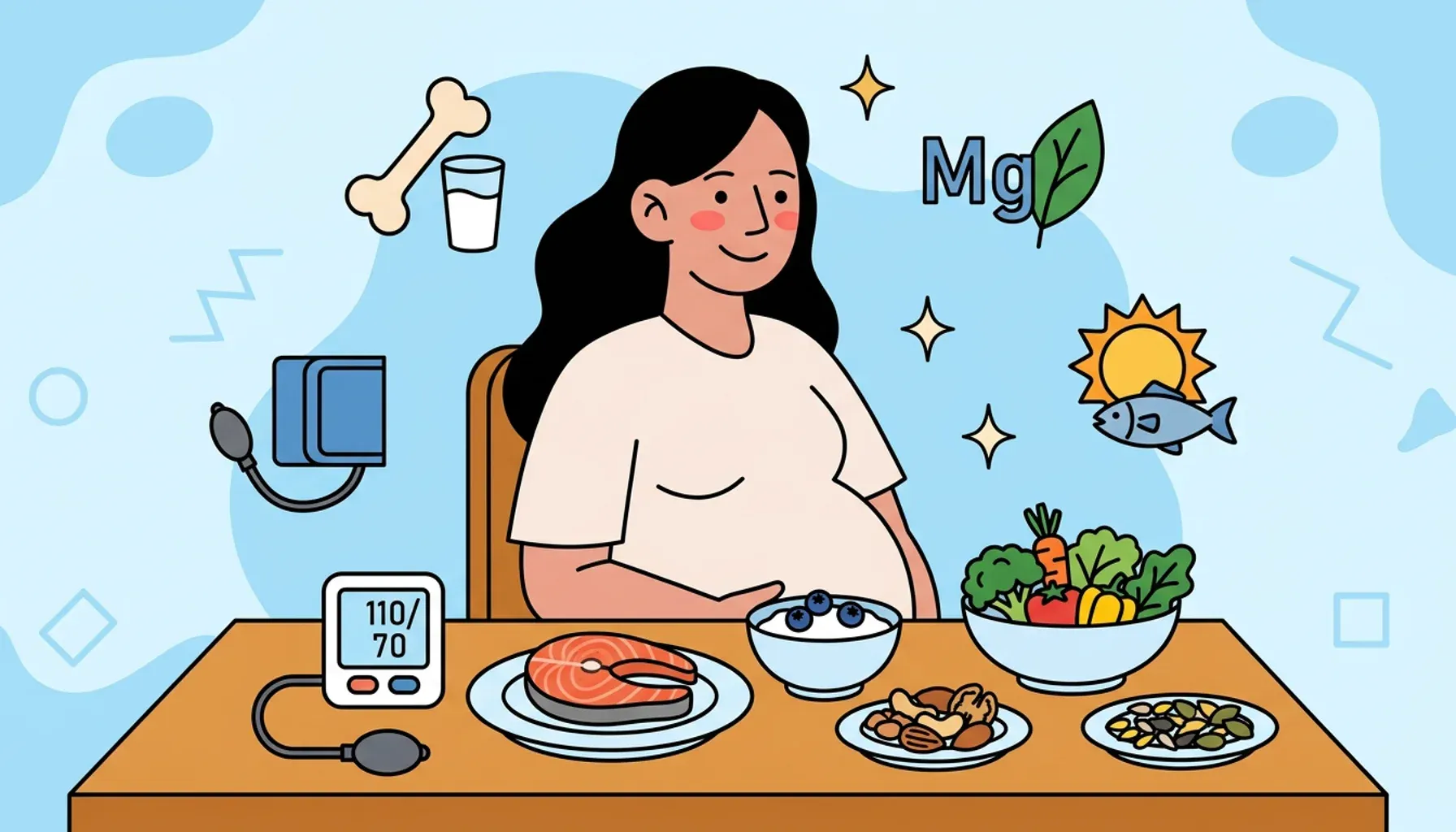
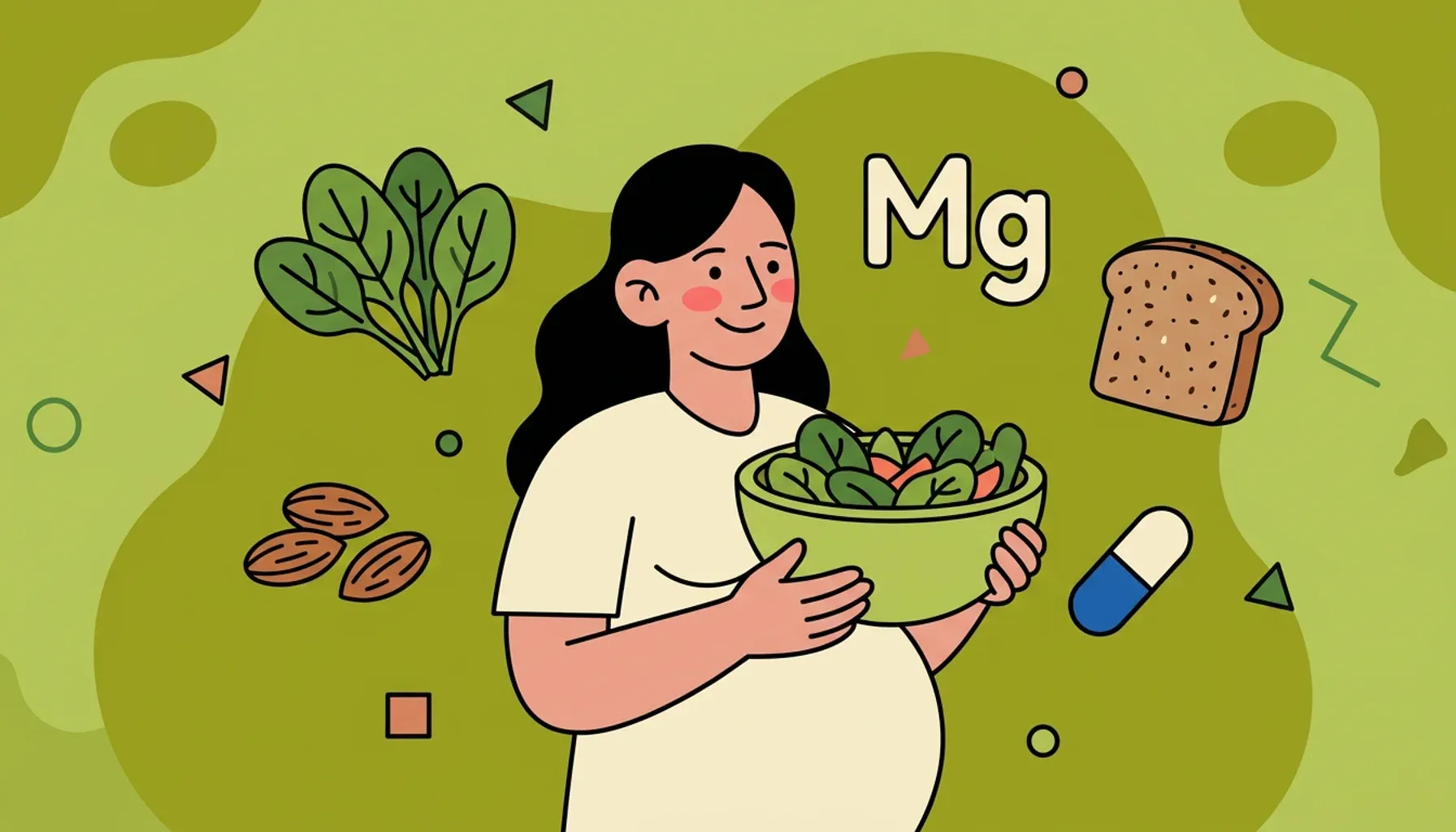
Therefore, researchers are now trying to identify the factors that most directly affect gestational hypertension. For example, it was found that high blood pressure in expectant mothers in most cases is associated with a lack of calcium, vitamin D, magnesium and zinc [5]. Accordingly, if products containing these trace elements are constantly present in your diet, then you can provide yourself with an additional level of protection. Remember, the necessary nutrients are contained in:

  • milk and fermented milk products;

  • fish;

  • nuts and seeds;

  • legumes.

In addition, the amount of fat (especially animal fat) must be reduced, and exercise must be increased [3, 5]. This DASH rule also works for pregnant women.

Frequently asked questions

Foods rich in calcium, vitamin D, magnesium, and zinc are most effective, including milk, yogurt, fish, nuts, seeds, and legumes. The DASH diet emphasizes these nutrient-dense foods while reducing animal fats.

Gestational hypertension typically first appears after 20 weeks of pregnancy. It usually resolves after delivery but can increase future hypertension risk if not properly managed.

While diet is crucial, gestational hypertension has multiple causes beyond nutrition. A proper DASH diet combined with exercise provides additional protection but should complement medical care.

Research shows calcium, vitamin D, magnesium, and zinc deficiencies are most associated with gestational hypertension. Ensuring adequate intake of these minerals provides additional protective benefits.

Yes, the DASH diet is recommended by the CDC specifically for pregnant women. European studies confirm its effectiveness against gestational hypertension without adverse effects on pregnancy outcomes.

Medical Disclaimer

This article is for informational purposes only and is not a substitute for professional medical advice, diagnosis, or treatment. Always seek the advice of your physician or qualified health provider with any questions you may have regarding a medical condition.

Meet our medical experts

Medically reviewed content

Reviewed by healthcare professionals · Updated August 8, 2025

Track your pregnancy on the go

Rated 4.8417,594 reviews