
How to eat to prevent complications during pregnancy
As many as 14% of women worldwide experience gestational diabetes [1]. A similar number of women experience preeclampsia and eclampsia. Unfortunately, in many cases, diseases are genetic. Hormonal fluctuations during pregnancy also greatly contribute to the occurrence of these conditions. In most cases, there is little to nothing that can be done about these factors.
However, there are factors that you can influence. For example, even if diabetes and hypertension cannot be prevented, it is possible to minimize their complications. Many scientists agree that the best preventive measures to take against these conditions are diet and physical activity [1, 2].
Numerous studies have been conducted in different countries about what constitutes a good diet. Some of the most closely studied diets include:
reduced glycemic index;
high fiber;
low carb;
veganism with soy protein;
locally grown and seasonal.
You have probably heard about or even tried most of these diets yourself. However, convincing evidence that would confirm their effectiveness specifically for the prevention of complications in pregnant women has not been found [1].
But the DASH diet — Dietary Approaches to Stop Hypertension — designed specifically for people with high blood pressure, turned out to protect against complications associated with gestational diabetes [2] and can inhibit the development of preeclampsia [1, 3]. Nutritionists created a variation of this system taking into account the characteristics of pregnancy and called the new option Mama-DASH [3].
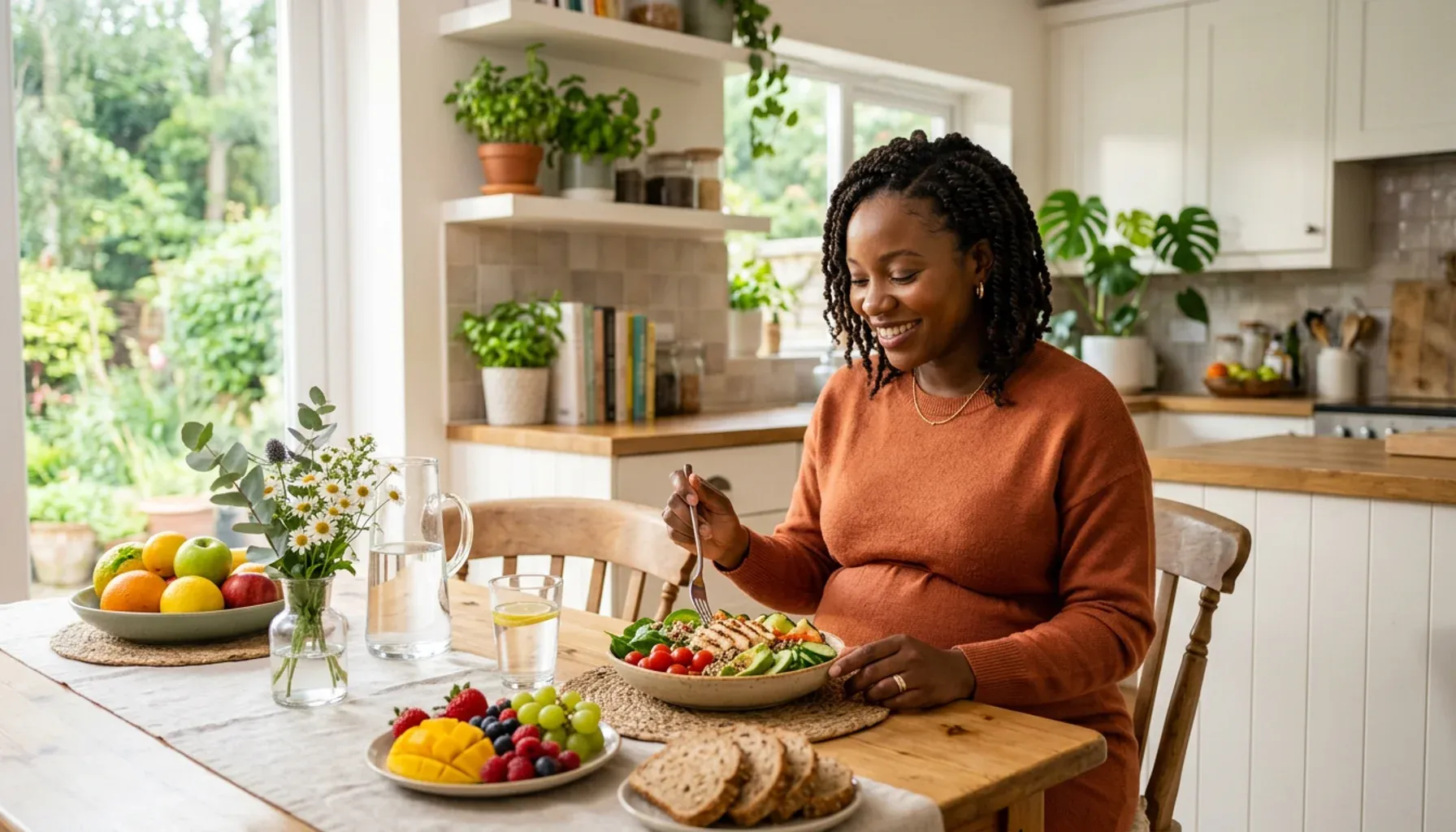
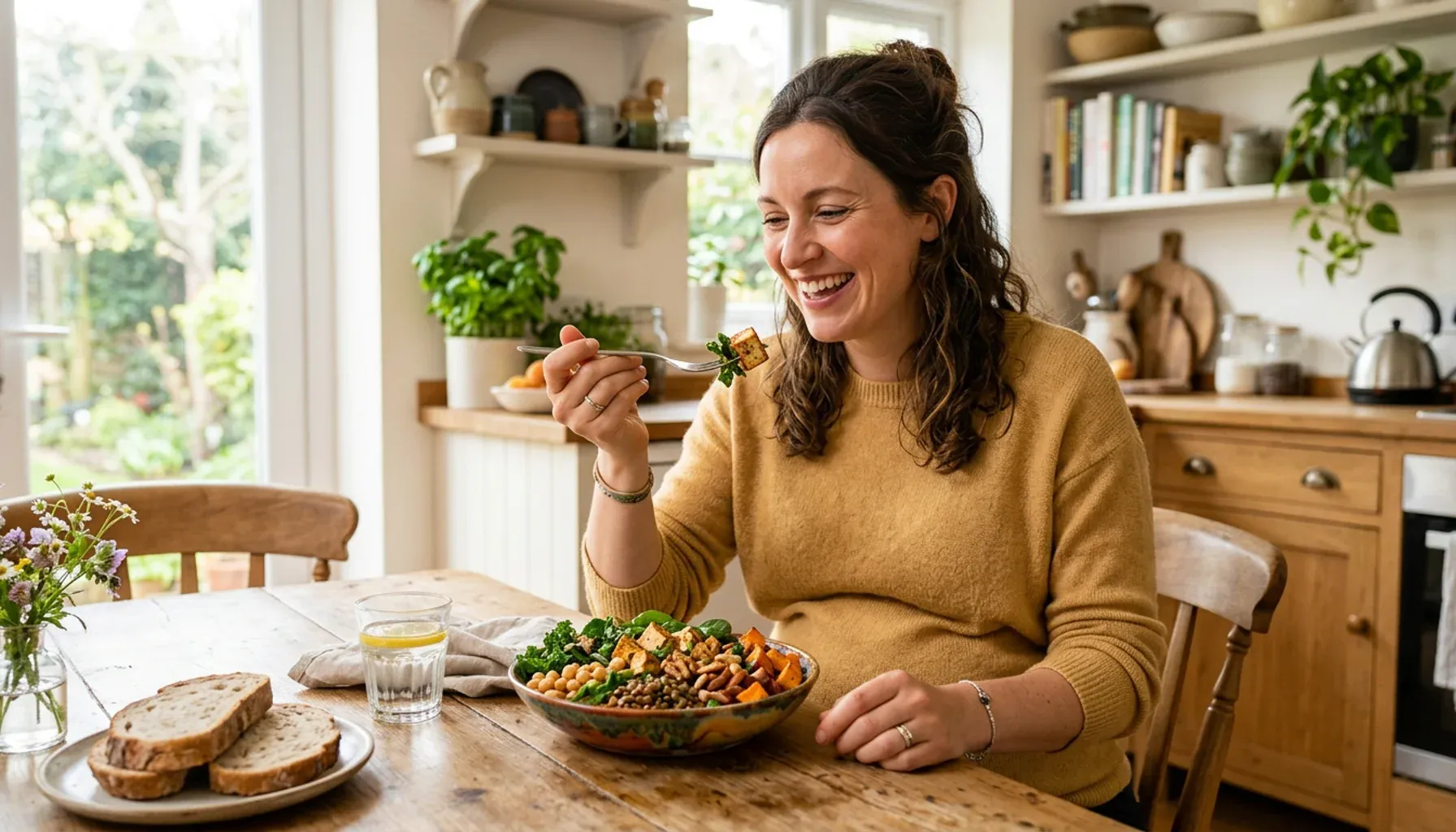
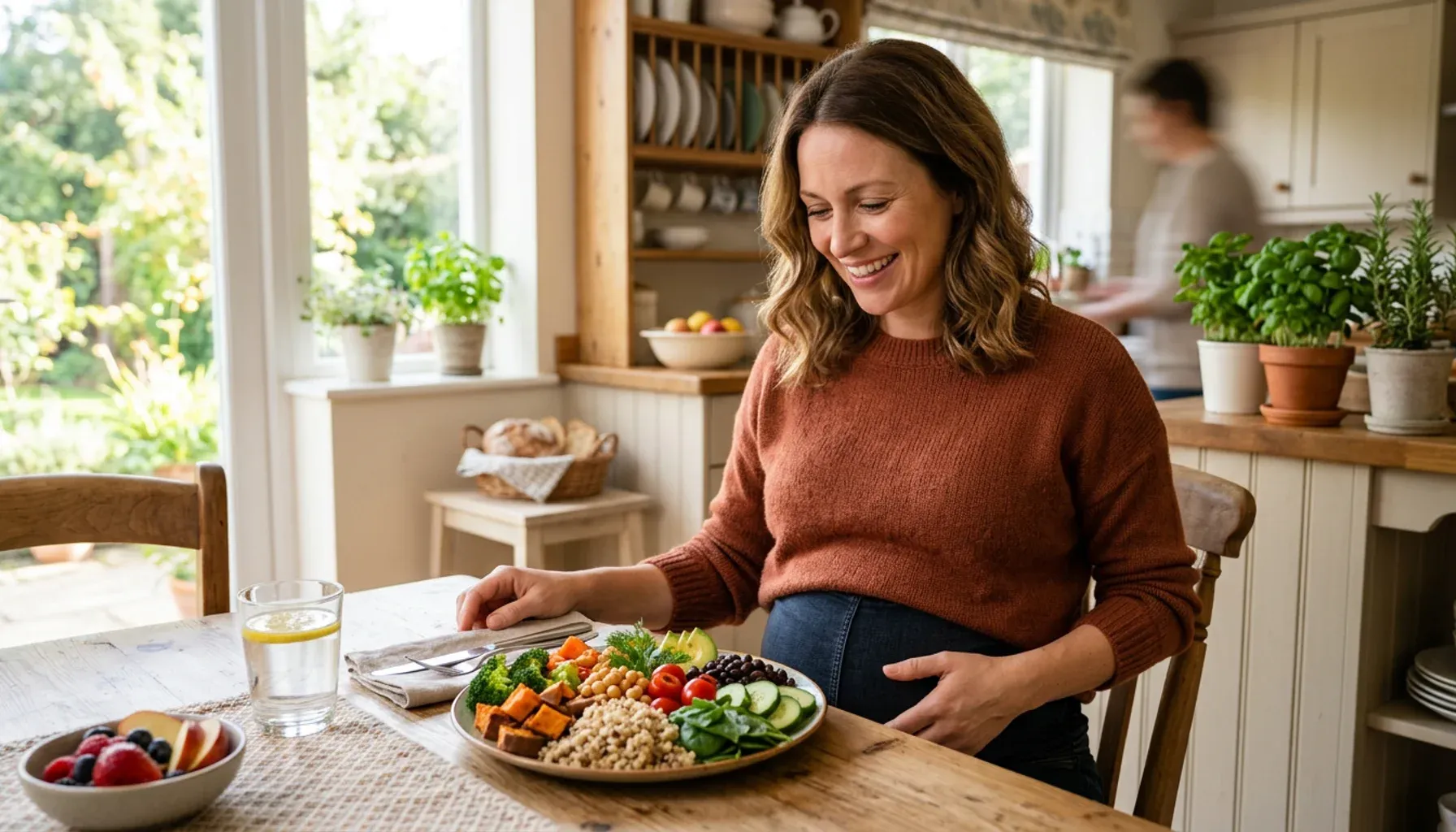
This diet suggests you need to minimize saturated (animal) fats and added sugars. Instead, cook fish and poultry without skin, choose skim milk, and replace sweets and cookies with nuts and whole-grain crackers. The basis of the diet should be:
cereals;
legumes;
fruits and vegetables;
fat-free dairy products (a source of calcium).
Studies have shown [2] that such a regimen can almost halve the likelihood of needing a caesarean section due to gestosis or because the child is very large. Diet alone is not enough, however. It’s recommended that pregnant women also stay active, walking as many as 10,000 steps a day their health and the health of their babies.