Hemorrhoids and pregnancy
As the baby rapidly grows, your partner’s weight will naturally increase. At this point, expectant mothers add around 300 to 500 grams per week (less than one pound), depending on their body mass index before pregnancy [1]. A doctor’s visit is warranted if there is sudden weight gain, as it can signal health issues such as gestational diabetes [2].
During this phase of pregnancy, some women will notice their breasts are producing colostrum, a yellowish-white liquid that is the precursor to breast milk. It is usually made during the first few days after childbirth, but small secretions during pregnancy are common [3].
As pregnancy progresses, hormonal changes in the woman’s body can lead to darkening of the nipples and the skin around them. Moles, freckles, and skin in general can also darken [4].
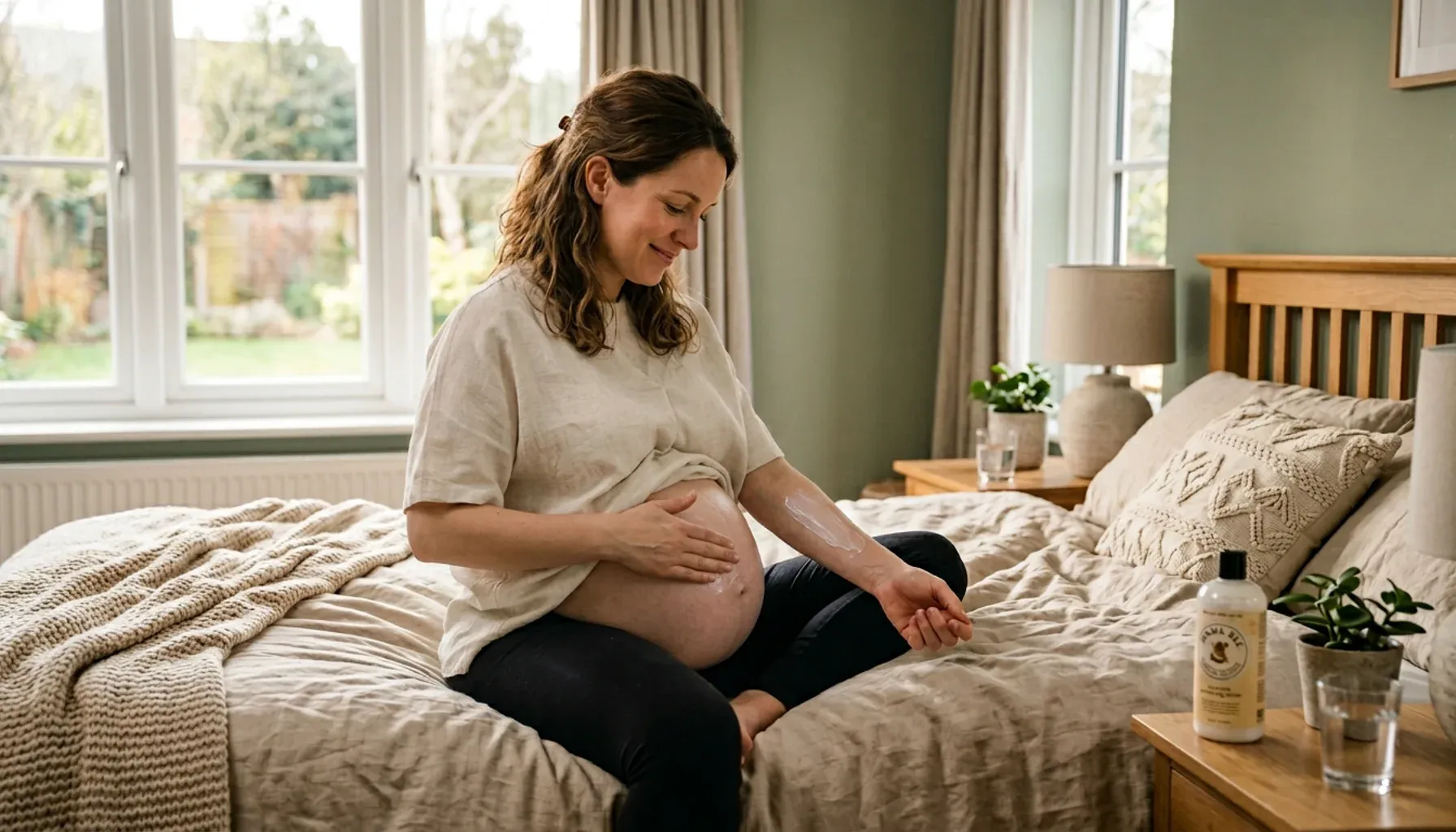
An issue that can be challenging to manage is hemorrhoids, one out of every four women will experience them during the second trimester. Pressure from the growing uterus, plus increased blood flow to the pelvic area, can cause the veins in the rectal wall to swell, bulge, and itch [5]. Dealing with the painful and uncomfortable symptoms of hemorrhoids is not always easy, and they can affect everyday activities and plans [6].
Being supportive when it comes to such a delicate matter can have its challenges, but you can help your partner by adopting some preventative steps with her.
Dietary changes
Fiber and regularity go hand in hand. So make sure your household diet includes high-fiber foods. Daily fiber intake can be increased by adding bran to oatmeal or soups, substituting white bread with whole grain, juices with smoothies made from whole fruits, and cookies or chips with nuts. Eating vegetables at every meal is also a good idea [7, 8].
Walking
Taking daily walks has many benefits, including supporting healthy digestion. Even walking around the house or office every hour can help improve circulation in the area [5].
Follow the doctor’s advice
Hemorrhoids can get extremely painful and even bleed, but they are rarely dangerous. Relief, however, is key to having comfortable bowel movements and proper rest. Doctors usually emphasize dietary changes, soaking in warm water, and mild physical activity. If symptoms worsen, your partner can ask her doctor for a safe topical treatment to help. Serious cases may require surgery after pregnancy [9].