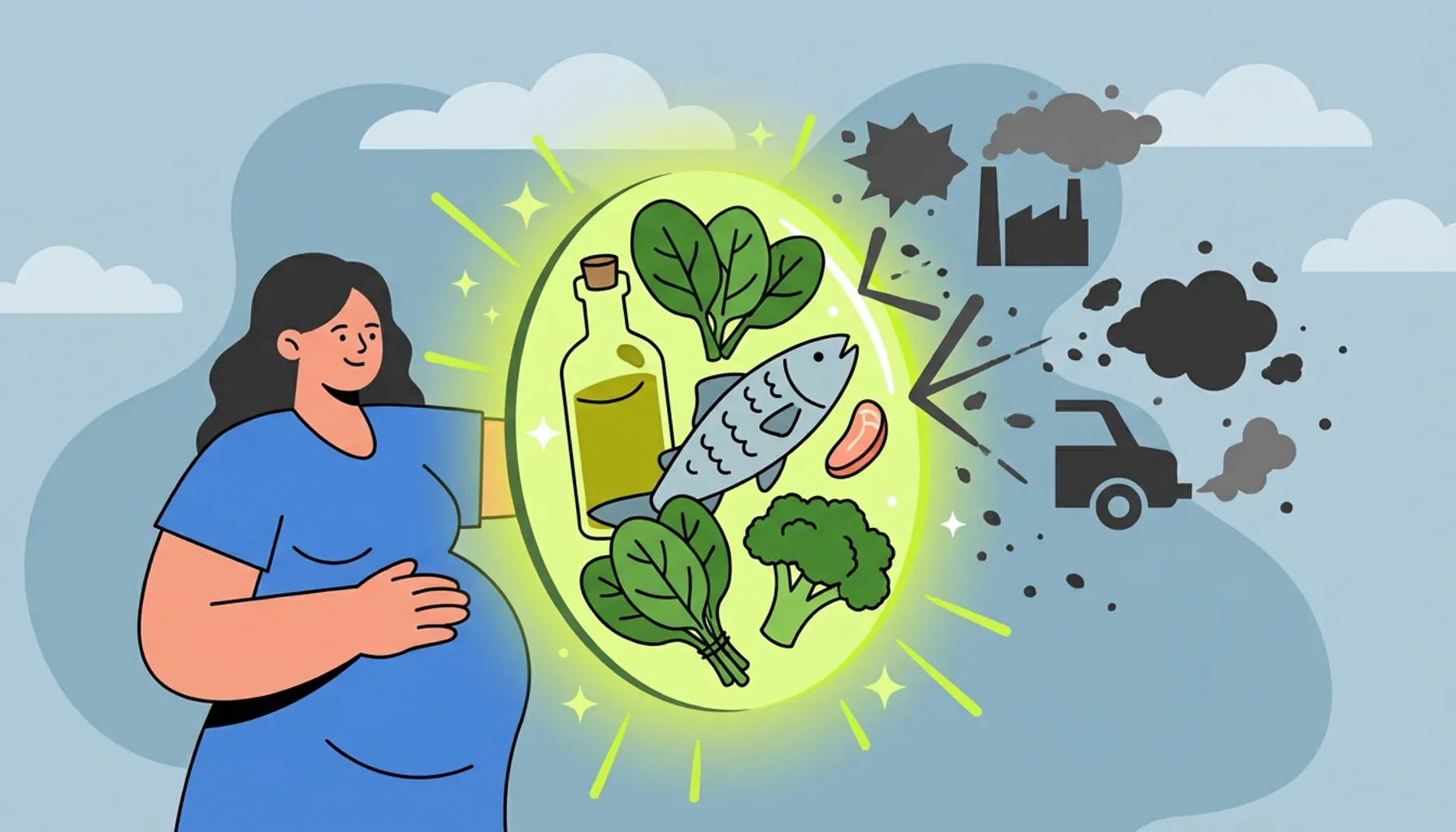

Good food can compensate for environmental pollution
Everything that happens to babies in the first year of life can affect them in adolescence and adulthood, including susceptibility to allergies, obesity, cardiovascular diseases, diabetes and even cancer [1].
The main harmful factors are air pollution and endocrine-disrupting chemicals. But scientists call the first year of life a “window of opportunity,” when everything (or almost everything) can still be corrected [2]. The combination of foods that compensate for the changes (methylation) of genes is called the epigenetic diet. It can even prevent the development of certain hereditary diseases (for example, allergies) in a child [1].
What mom needs
In an ideal world, you might spend the first year of your baby's life on an organic farm and eat the gifts of your garden. But let’s be realistic, you are probably staying put at home in a city. If this is the case be sure to eat the following foods:
- olive oil: omega-3 polyunsaturated fatty acids not only protect against postpartum depression, but also regulate the immune system of mothers and babies [2]
- fatty fish: the same omega-3 polyunsaturated fatty acids [2] plus iodine, which activates the thyroid gland and helps restore hormonal balance [3]
- soy products: genistein, a substance that neutralizes the harmful effects of bisphenol (made from plastic dishes) and helps restore insulin sensitivity in cells [1]
- spinach and broccoli or other foods rich in folic acid: helps neutralize the harm caused by smoking or nearby smokers [1]
What baby needs
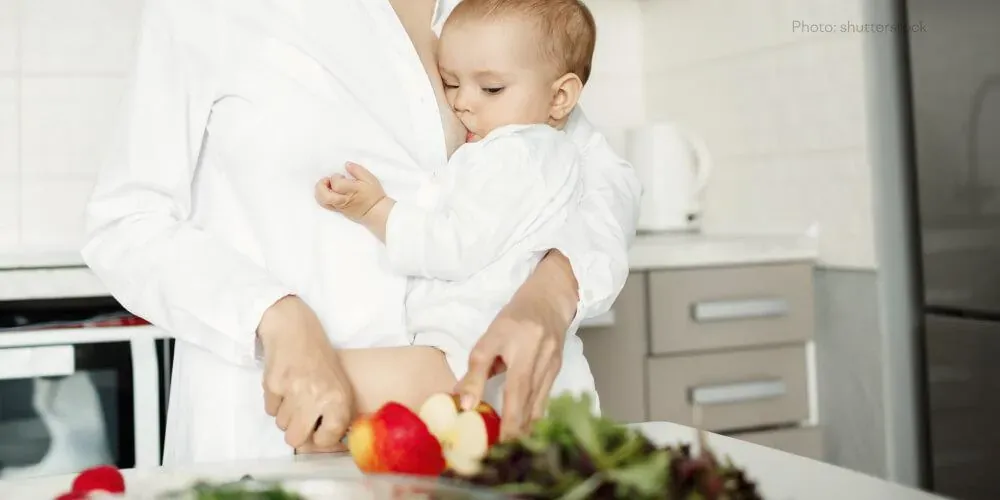
All the nutrition that mom gets from food — omega-3, iodine, genistein, folates — pass through breast milk and at least partially compensate for the harm from a poor environment. Research shows that exclusive breastfeeding for the first six months reduces the likelihood of allergies, obesity and asthma in children [4, 5].