
EN
try amma today
Focus on recuperation
Pregnancy

Focus on recuperation

2 min readWeek 1
Key takeaways
2 min
  • Prioritize rest and recuperation as your main focus during the first days after childbirth to support your body's healing process.
  • Stay hydrated by drinking plenty of water to maintain bladder sensitivity and flush out medications from your system.
  • Consume iron-rich foods like kale to compensate for blood loss during delivery and support recovery.
  • Include orange-colored fruits and vegetables in your diet to provide vitamin A through carotenoids for your baby's development.
  • Follow specific dietary guidelines if you had a C-section, avoiding intestinal-stimulating foods initially and starting with broths if under general anesthesia.

After childbirth, focus on rest, hydration, and proper nutrition for healthy pregnancy recovery. Drink plenty of water, eat iron-rich foods like kale to compensate for blood loss, and include orange-colored fruits and vegetables to provide vitamin A for your breastfeeding baby's development.

amma app

Track your pregnancy in the app

Personalized content for your pregnancy week

Download App

Focus on recuperation

Pregnancy takes a huge toll on your body. And the work of childbirth takes an even bigger toll. In the days after childbirth, your main occupation should be rest and recuperation.

What mom needs

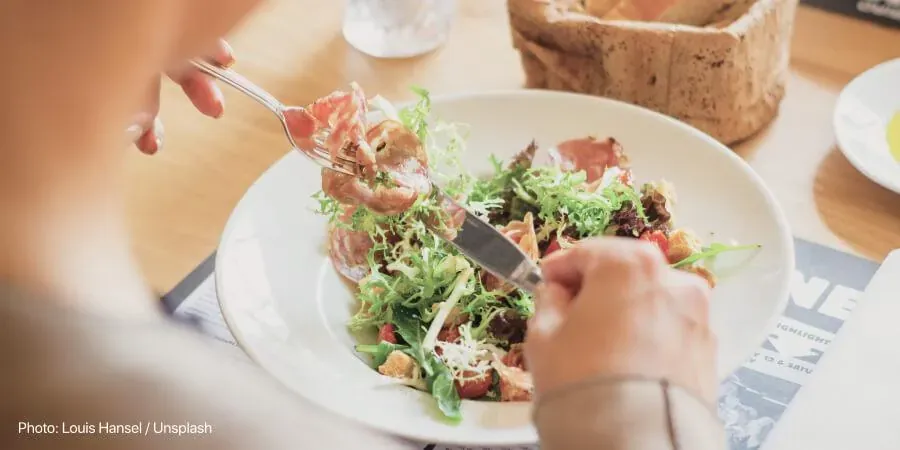
After giving birth, you can eat and drink immediately. Drink as much water as possible. First, it will keep your bladder sensitive. Second, water will quickly remove all drugs that may have been administered during childbirth. You can eat almost anything. But you should favor foods high in iron (like kale) [1]. Iron is necessary to compensate for blood loss during childbirth.

If you had a c-section, you should avoid foods that stimulate intestinal activity, such as vegetables, fruits, and grains [2]. If the operation took place under general anesthesia, then the first day is safer to spend on broths. And from the second day you can return to your normal diet.

What baby needs

Babies under six months old do not need anything other than breast milk or formula and this should be provided on demand. Most babies are born with vitamin A deficiency [1], so it is important to compensate for the deficiency from the very first days. To do this, it is necessary that mother's menu contains a lot of carotenoids (precursors of vitamin A) which are found in orange-colored fruit and vegetables. These include carrots, pumpkin, paprika, apricots, etc [4]. These natural vitamins contribute not only to the development of vision, but also to the strengthening of baby’s vascular system [5].

The WHO does not recommend trying to get these vitamins into your diet through supplements. Rather they should come from food [3].

  1. WHO recommendations on maternal health: guidelines approved by the WHO Guidelines Review Committee. Geneva: World Health Organization, 2017 (WHO/MCA/17.10). Licence: CC BY-NC-SA 3.0 IGO. Р. 18.

  2. Ultimate Diet Guide for C-Section Delivery Mothers. May 18, 2021.

  3. WHO. Vitamin A supplementation in postpartum women.

  4. Vitamin A. Fact Sheet for Consumers. NIH, Jun 2021.

  5. Nutritional Gaps and Supplementation in the First 1000 Days. Katrina Beluska-Turkan, Renee Korczak, et al. Nutrients, Nov 2019.

Frequently asked questions

You can eat almost anything immediately after birth, but focus on iron-rich foods like kale to compensate for blood loss. Drink plenty of water to stay hydrated and help remove medications from your system.

After a C-section, avoid foods that stimulate intestinal activity such as vegetables, fruits, and grains initially. If you had general anesthesia, stick to broths the first day and return to normal diet on day two.

Include orange-colored fruits and vegetables like carrots, pumpkin, paprika, and apricots in your diet. These contain carotenoids that convert to vitamin A and pass through breast milk to support your baby's vision and vascular development.

Drink as much water as possible after giving birth. Adequate hydration keeps your bladder sensitive and helps quickly remove any drugs administered during childbirth from your system.

Medical Disclaimer

This article is for informational purposes only and is not a substitute for professional medical advice, diagnosis, or treatment. Always seek the advice of your physician or qualified health provider with any questions you may have regarding a medical condition.

Meet our medical experts

Medically reviewed content

Reviewed by healthcare professionals · Updated September 2, 2024

This article is based on peer-reviewed research and trusted medical sources.

  1. WHO. Vitamin A supplementation in postpartum women.

Track your pregnancy on the go

Rated 4.8417,594 reviews