
It may surprise you to learn there is no strict set of rules when it comes to the tests and screenings you undergo during pregnancy. In the United States, we have recommendations from bodies such as the CDC (Centers for Disease Control and Prevention) that are designed to rule out (or catch early) some of the greatest threats to baby’s health.
Beyond tests for viruses and other illness-causing pathogens, your doctor should be focused on a holistic snapshot of your total health, as your health directly impacts that of your growing baby. This means that your pregnancy health involves not just your OBGYN, but your primary care physician, your dentist, your mental health practitioner, and any other licensed practitioner who is part of your care. Let’s cover the basics.
What kinds of tests should I be taking?
The CDC recommends screening for sexually transmitted infections such as HIV, HBV, HCV, and syphilis. While the majority of pregnant women are screened for these, not all are. HCV is especially under-tested [1].
These tests are important because catching infections early increases the likelihood of successful treatment and the prevention of transmission to the baby. In addition to impacting a safely delivered baby, they can also make conception difficult or increase the chance of miscarriage [2].
All pregnant women do not need to be tested for tuberculosis, only those with increased risk (due to exposure to someone TB-positive, for example) [2].
What else should be screened?
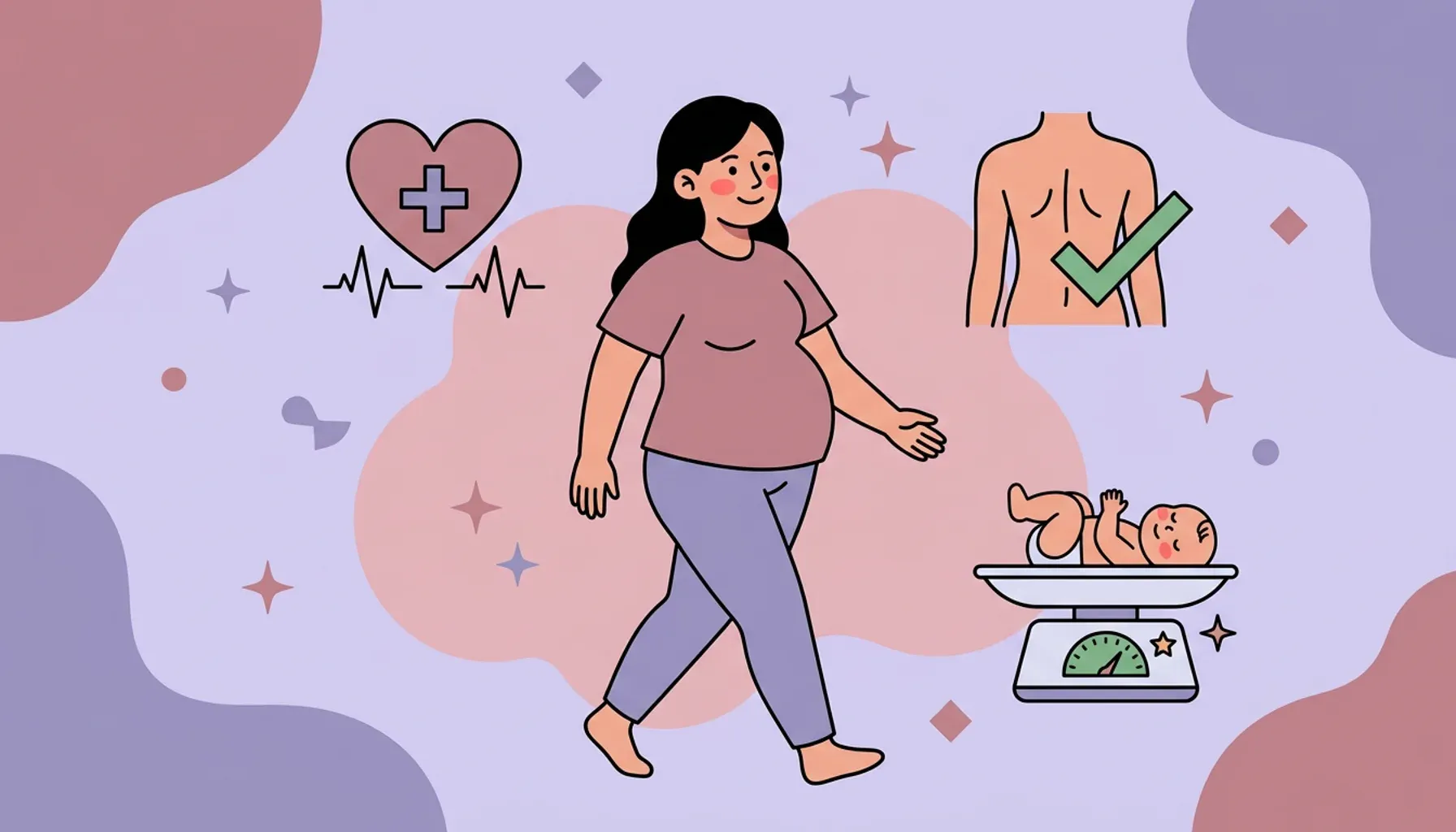
Pregnancy puts a strain on your entire body. If you have existing health risks like obesity, diabetes, or high blood pressure, you are more likely to experience complications that lead to a need for a C-section delivery or health risks for baby [3]. It’s important to screen for the following and take the necessary steps to mitigate or treat any of these conditions: - BMI numbers over normal range; - high blood pressure; - high fasting blood glucose levels; - high cholesterol.
National Institutes of Health (NIH) also recommends [3]:
- eating a healthy diet that avoids both junk food and less safe food like raw fish or unpasteurized cheese;
- speaking to your doctor about the correct supplements to take and their dosage;
- limiting caffeine;
- eliminating alcohol, tobacco, recreational drugs, and some prescription drugs as directed by your doctor;
- getting your regular dental checkup and caring for your oral health.