EN
try amma today
Does your diet influence your child’s allergies?
Pregnancy

Does your diet influence your child’s allergies?

3 min readWeek 34
Key takeaways
3 min
  • Eat fatty fish twice weekly during the last trimester and first two months of breastfeeding to reduce your baby's respiratory allergies and food sensitivities.
  • Include peanuts, milk, and whole wheat products in your pregnancy diet to lower your child's risk of developing allergies to these foods.
  • Consume cultured milk products and yogurts containing probiotics to protect your baby from atopic dermatitis.
  • Avoid completely eliminating potential allergens from your diet, as exposure during pregnancy often reduces allergy risk rather than increasing it.
  • Focus on vitamin D and omega-3 rich foods to strengthen your baby's immune system against various allergens.

Yes, your pregnancy diet significantly influences your child's allergy risk. Eating fatty fish, peanuts, milk products, and whole grains during pregnancy actually reduces your baby's likelihood of developing allergies to these foods and respiratory allergens.

amma app

Track your pregnancy in the app

Personalized content for your pregnancy week

Download App

Does your diet influence your child’s allergies?

This is one of the most difficult and controversial topics not only on mothers' forums, but also in the scientific community. Nutritionists, gynecologists, immunologists and geneticists are all interested in this topic, asking, “Which is better: exposing a baby child to allergens while in the womb or avoiding them altogether?”

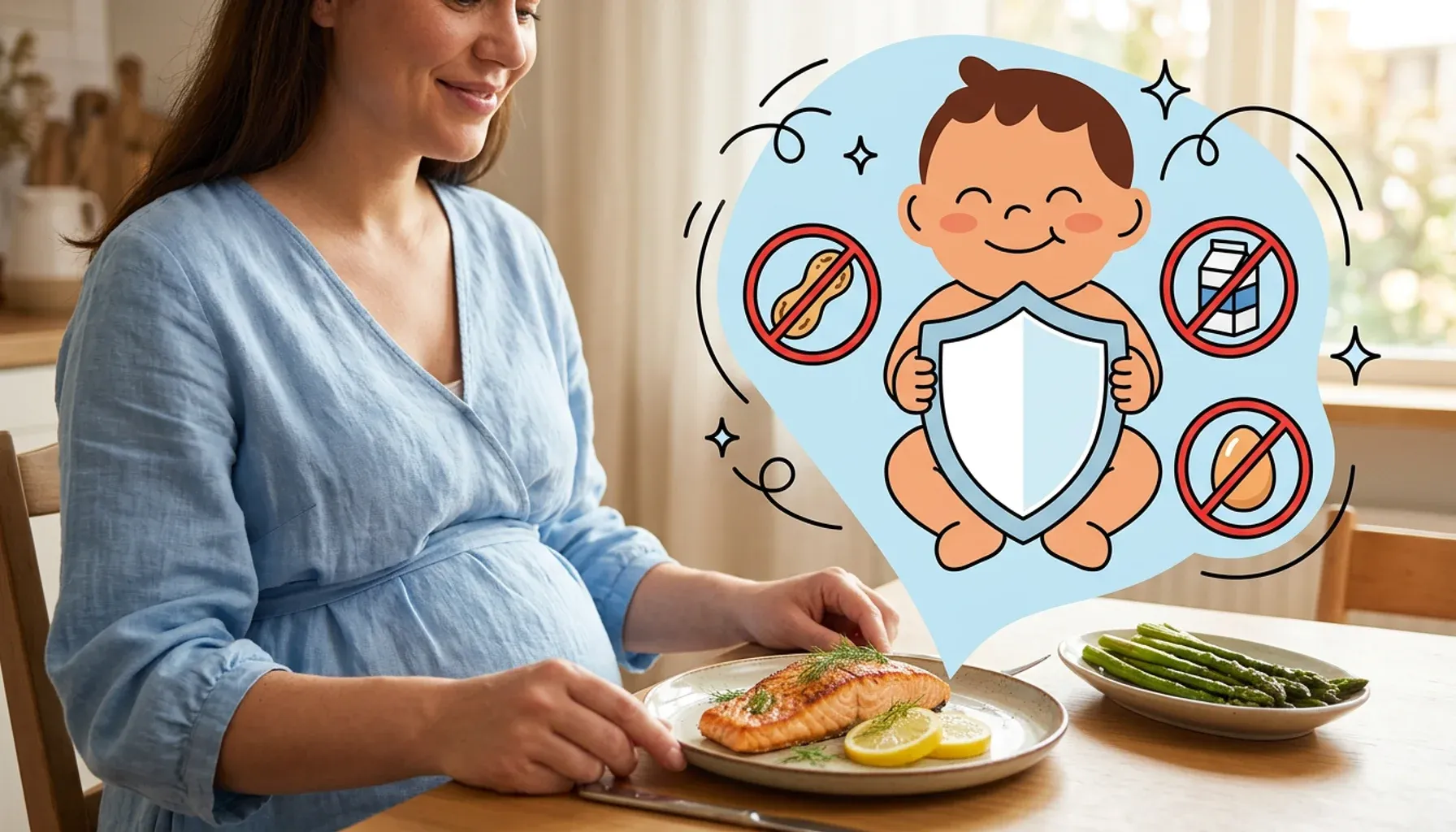
Yet this is not quite the right question. Fairly neutral foods can affect the likelihood of developing allergies. And known allergens sometimes act indirectly. For example, eating of citrus fruits during pregnancy increases the likelihood of a child's pollen allergy [1]. And the inclusion of fatty fish and other foods containing vitamin D and omega-3 fatty acids in your diet reduces your baby’s susceptibility to respiratory allergens [2]. Fish oil also reduces your child's sensitization to chicken eggs and peanuts, but quite possibly to many other foods as well. Therefore, it’s a great idea to eat fatty fish at least twice a week during the last trimester of pregnancy and during the first two months of breastfeeding [3].

Studies conducted in the United States have shown that if you eat peanuts during pregnancy, your baby is most likely not to be allergic to the nut. If you love milk and drink a lot of it, then you will provide your baby with additional protection against asthma and allergic rhinitis (at least from birth to school age). Further, the eating wheat products in the second half of pregnancy reduces the likelihood of atopic dermatitis in a child [4].

Do prebiotics and probiotics help prevent allergic reactions?

The positive (as well as the negative) role of prebiotics in the development of allergy has not been confirmed [3, 5]. But probiotics protect the child from atopic dermatitis and lactobacilli (cottage cheese, yogurt) can be of great benefit.

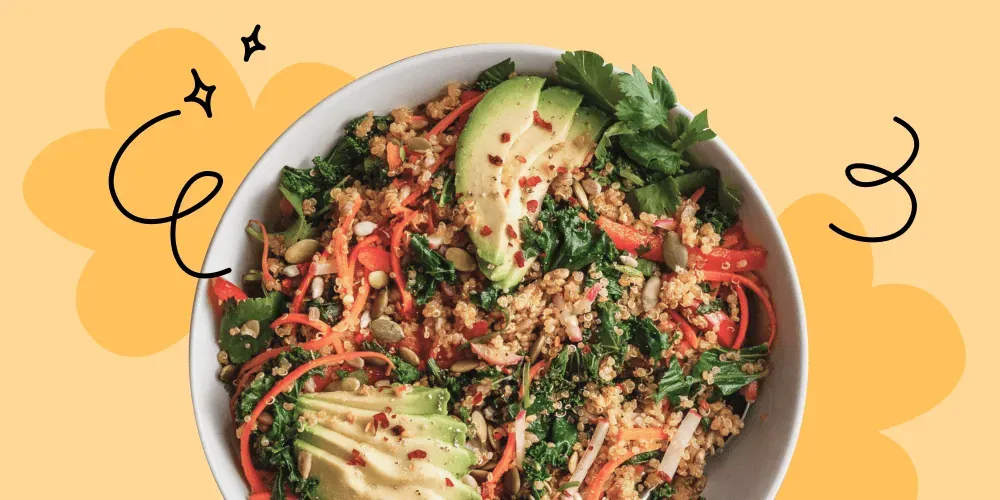
What foods protect against the development of allergies?

  • fatty fish;

  • milk, cultured milk products, yogurts;

  • peanuts and peanut butter;

  • whole wheat bread;

  • bulgur and spelt.


Frequently asked questions

Yes, studies show that eating peanuts during pregnancy actually reduces the likelihood of your baby developing a peanut allergy. This contradicts older advice to avoid potential allergens during pregnancy.

Pregnant women should eat fatty fish, milk and yogurt, peanuts, whole wheat bread, and cultured milk products. These foods contain nutrients that help protect babies from developing allergies.

Yes, probiotics found in yogurt and cottage cheese can protect babies from atopic dermatitis. However, prebiotics have not shown consistent benefits for allergy prevention.

Eat fatty fish at least twice per week during your last trimester and continue for the first two months of breastfeeding. This timing provides maximum protection against respiratory allergens.

Medical Disclaimer

This article is for informational purposes only and is not a substitute for professional medical advice, diagnosis, or treatment. Always seek the advice of your physician or qualified health provider with any questions you may have regarding a medical condition.

Meet our medical experts

Medically reviewed content

Reviewed by healthcare professionals · Updated August 12, 2025

Track your pregnancy on the go

Rated 4.8417,594 reviews