EN
try amma today
Do pregnant women really get unusual food cravings?
Pregnancy

Do pregnant women really get unusual food cravings?

2 min readWeek 8
Key takeaways
2 min
  • Expect unusual food cravings and aversions to be completely normal during early pregnancy, often starting soon after a positive pregnancy test.
  • Understand that extreme cravings for non-food items like chalk require immediate medical attention and consultation with your healthcare provider.
  • Focus on maintaining a balanced diet while accommodating safe cravings, avoiding restrictive eating patterns during pregnancy.
  • Avoid high-risk foods including raw fish, undercooked meats, soft cheeses, raw eggs, and unpasteurized dairy products.
  • Wash all fruits and vegetables thoroughly and consult your doctor about any concerning eating patterns or cravings.

Yes, pregnant women commonly experience unusual food cravings starting early in pregnancy. These strange urges for food combinations or specific items are normal and likely caused by hormonal and psychological changes, not nutritional deficiencies as previously thought.

amma app

Track your pregnancy in the app

Personalized content for your pregnancy week

Download App

Do pregnant women really get unusual food cravings? 

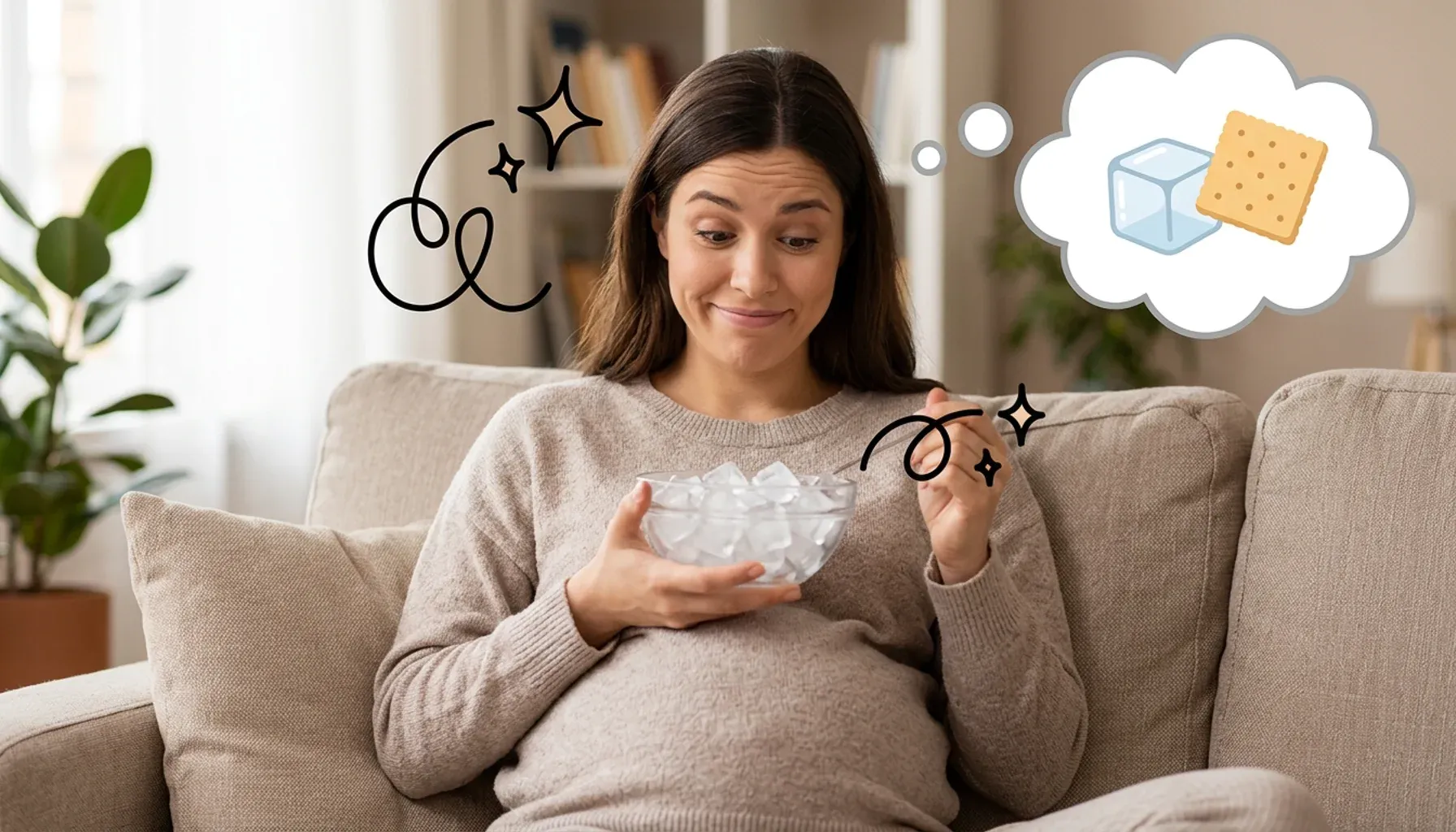
A sudden urge for unusual foods at the beginning of pregnancy is quite common and may lead women to modify their eating habits. A former favorite treat may now cause her nausea, while, in extreme cases, she may feel an urge to eat things like chalk or charcoal [1]. 

The causes behind these cravings and aversions are not completely known. Previously, it was thought that it was a way for the pregnant female body to compensate for a lack of vitamins and trace elements in the diet, but that hypothesis has been refuted. Today, scientists are more inclined to believe that the phenomenon has a psychological explanation [2]. 

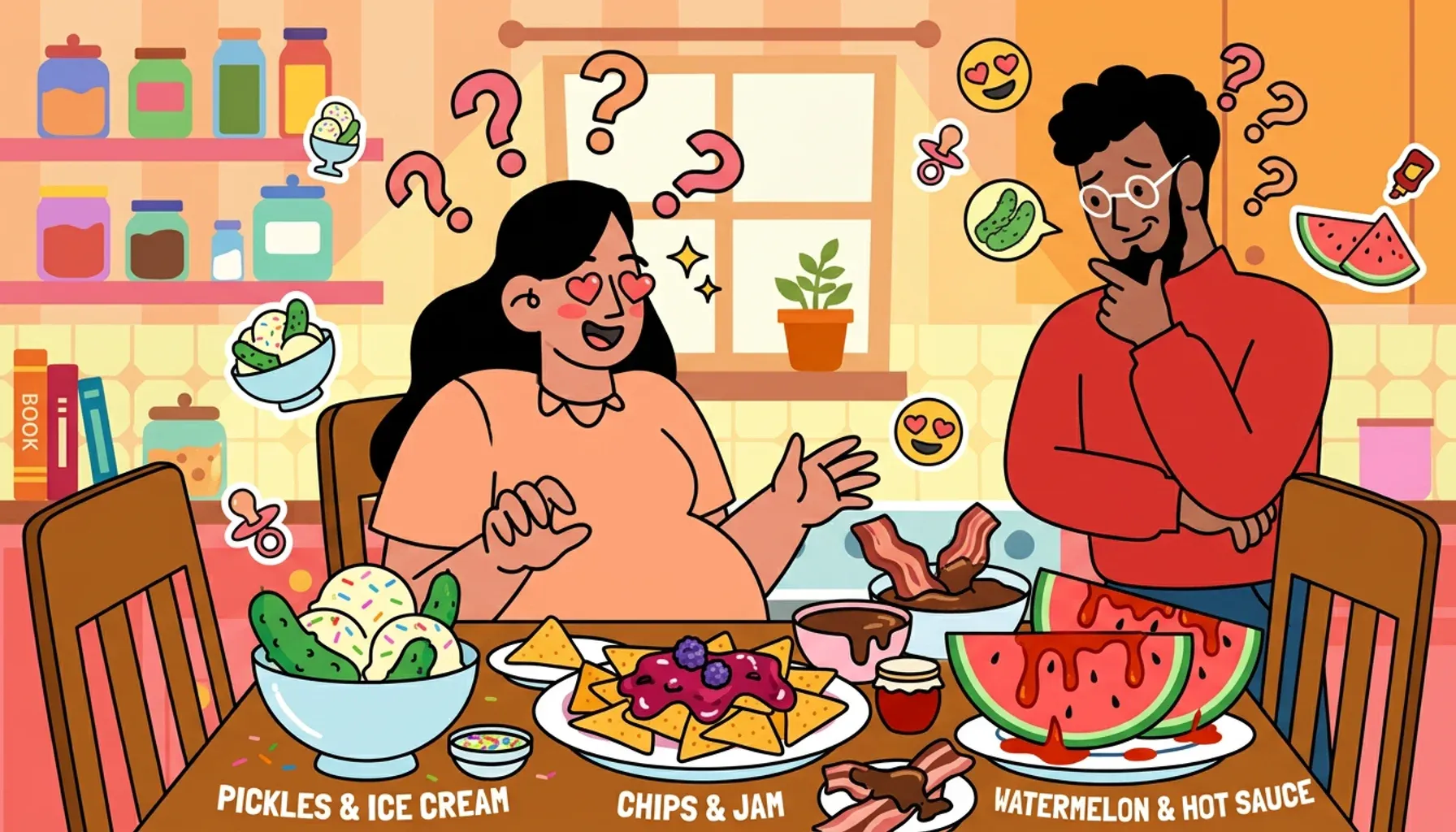
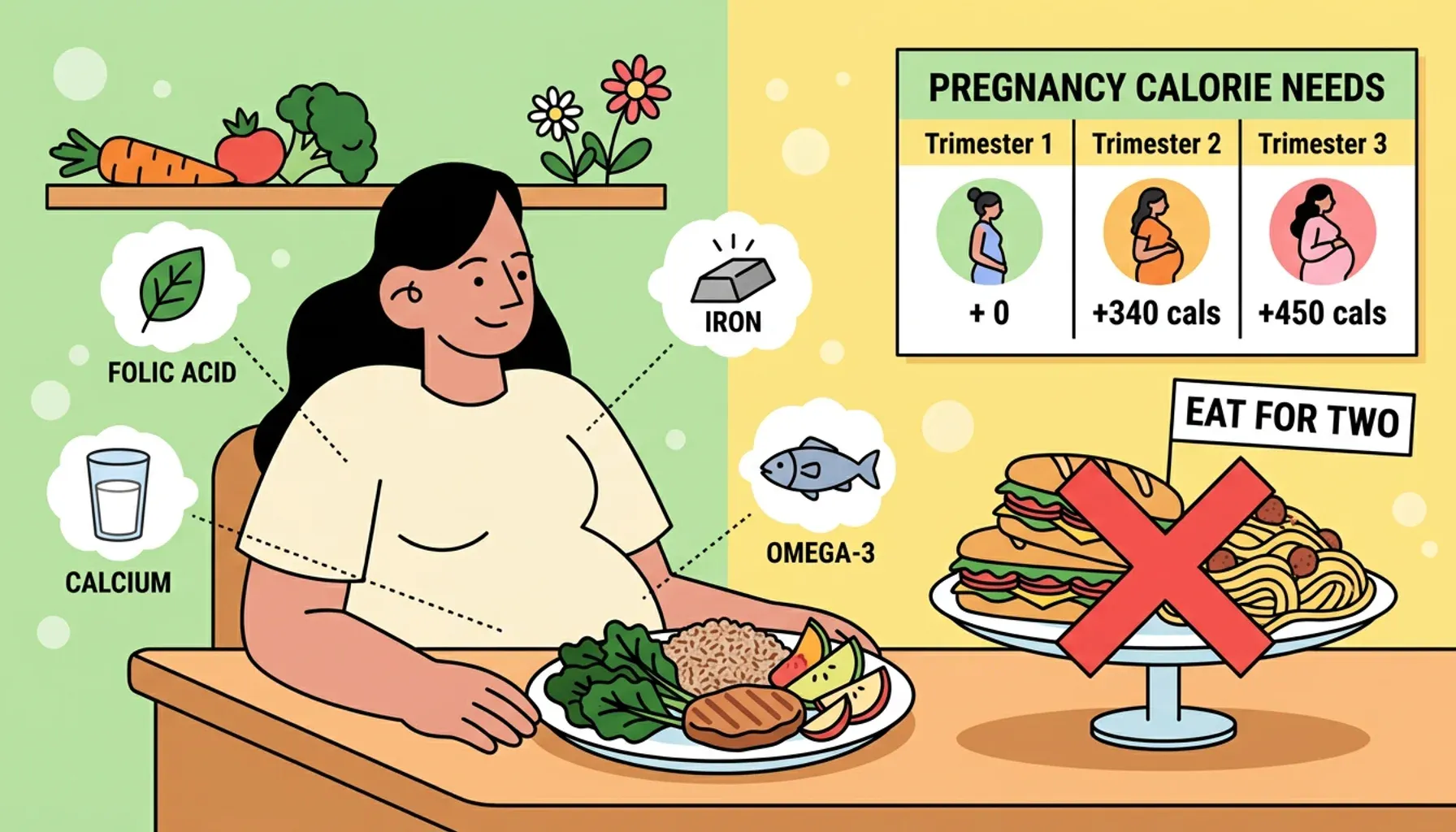
Regardless of the reasons behind them, strange food cravings are normal at this time. If your partner suddenly wants a side of pickles with her ice cream or some jam with her burger, there is no cause for alarm, it will pass. Needless to say, it's a good idea to avoid getting carried away with fast food and instead favor a healthy and balanced diet. But being overly restrictive is not necessary.   

To keep safe, some foods should be avoided during pregnancy. These include undercooked meats, foods made with raw fish (like sushi), soft cheeses with mold (like brie or camembert), anything containing raw eggs, and all unpasteurized milk or milk products. These foods can cause bacterial infections that can harm the baby. Washing all fruits and vegetables well is also important [3].
Frequently asked questions

Pregnancy cravings typically begin in the first trimester, often within weeks of a positive pregnancy test. These unusual food urges are caused by hormonal changes and are completely normal for most expecting mothers.

While food cravings can be an early pregnancy symptom, they're not reliable indicators before a missed period. A pregnancy test is the most accurate way to confirm pregnancy, as cravings can have other causes.

Avoid raw fish, undercooked meats, soft moldy cheeses, raw eggs, and unpasteurized dairy products. These foods can cause bacterial infections harmful to your baby, so stick to well-cooked, pasteurized options.

Scientists believe pregnancy cravings have psychological rather than nutritional causes, contrary to old beliefs about vitamin deficiencies. Hormonal changes during pregnancy likely influence taste preferences and food desires.

Medical Disclaimer

This article is for informational purposes only and is not a substitute for professional medical advice, diagnosis, or treatment. Always seek the advice of your physician or qualified health provider with any questions you may have regarding a medical condition.

Meet our medical experts

Medically reviewed content

Reviewed by healthcare professionals · Updated June 8, 2025

Track your pregnancy on the go

Rated 4.8417,594 reviews