EN
try amma today
Which vaccines are given to babies at four months?
New Parent

Which vaccines are given to babies at four months?

2 min read
Key takeaways
2 min
  • Schedule your baby's 4-month vaccination appointment which includes DTaP, Hib, pneumococcal, polio, and rotavirus vaccines as recommended by the CDC.
  • Prepare for typically 2-3 shots plus one oral rotavirus vaccine during this routine pediatric visit.
  • Discuss alternative vaccine options like DT with your pediatrician if your baby had severe reactions to previous vaccinations.
  • Ask your doctor about combination vaccines that can reduce the number of shots while providing the same protection against multiple diseases.
  • Research which specific vaccine formulations are authorized in your country as options may vary by location.

At 4 months, babies receive their second round of vaccinations including DTaP, Hib, pneumococcal, polio, and rotavirus vaccines. This typically involves 2-3 shots plus an oral rotavirus vaccine during a routine pediatric visit.

amma app

Track your pregnancy in the app

Personalized content for your pregnancy week

Download App

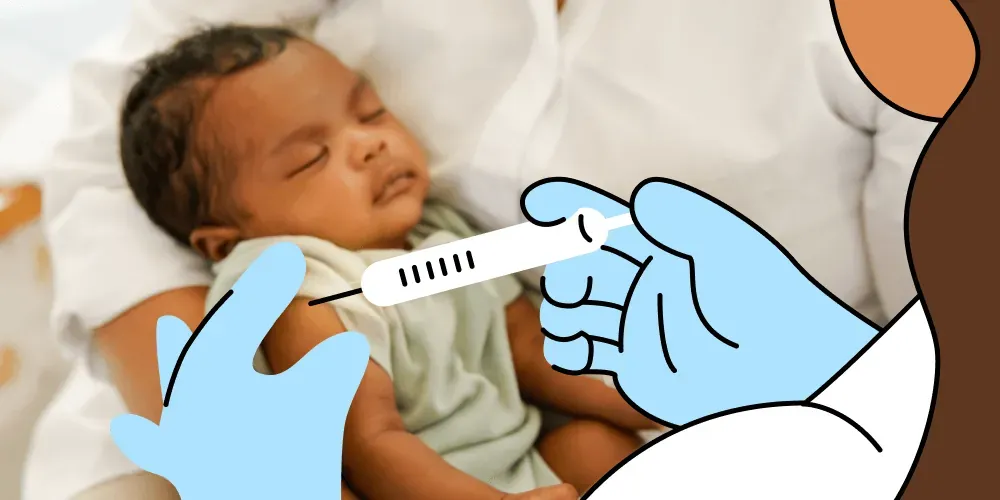
At four months, babies undergo a routine check-up with a pediatrician and start their second round of vaccinations. The Centers for Disease Control and Prevention (CDC) in the United States recommends the following list [1]:

  • Diphtheria, pertussis, and tetanus (DTaP). The most commonly used vaccine is DTaP, which protects against three diseases at once. But if the baby had a severe reaction to it at two months, the doctor may prescribe a two-component vaccine called DT, which only protects against diphtheria and tetanus.
  • Hib. This is an abbreviation for Haemophilus influenza type B, which is the name of a bacteria that can cause life-threatening diseases.
  • Pneumococcal infection. There are many types of pneumococcal bacteria, the label on the vaccine will usually indicate the ones it covers. Be sure to talk to your doctor about which types of pneumococcal vaccines are authorized for infants in your country.
  • Polio. In the United States, only an inactivated polio vaccine (IPV) is authorized for infants, which is injected into the leg. In other countries, a live vaccine may still be used, which is administered orally.
  • Rotavirus. Most rotavirus vaccines used worldwide are given orally.

Consult with your pediatrician or health authority to findout which vaccines are authorized in your country. In the United States, a multi-component vaccine is used to protect children from 5 diseases (diphtheria, pertussis, tetanus, Hib, and polio) with a single shot. One more shot is given to protect against pneumococcus and the rotavirus vaccine is given orally.

Learn how to prepare your baby for vaccination in this article .


Frequently asked questions

At 4 months, babies receive their second round of vaccinations including DTaP (diphtheria, pertussis, tetanus), Hib, pneumococcal, polio, and rotavirus vaccines. These are typically given as 2-3 shots plus an oral rotavirus vaccine.

Most 4-month-old babies receive 2-3 shots during their vaccination appointment. In the US, combination vaccines are often used to reduce the total number of injections while providing protection against multiple diseases.

Yes, 4-month vaccines are extensively tested and recommended by the CDC as safe and effective. Serious reactions are rare, but discuss any concerns or previous reactions with your pediatrician before vaccination.

Following the recommended vaccination schedule provides optimal protection for your baby. If you have concerns about timing, discuss alternative schedules with your pediatrician rather than skipping vaccines entirely.

Common side effects include mild fever, fussiness, and soreness at injection sites. These typically resolve within 1-2 days and can be managed with appropriate infant pain relief as recommended by your doctor.

Medical Disclaimer

This article is for informational purposes only and is not a substitute for professional medical advice, diagnosis, or treatment. Always seek the advice of your physician or qualified health provider with any questions you may have regarding a medical condition.

Meet our medical experts

Medically reviewed content

Reviewed by healthcare professionals · Updated November 8, 2024

This article is based on peer-reviewed research and trusted medical sources.

  1. Vaccines at 4 Months. National Center for Immunization and Respiratory Diseases, April 17, 2023.

Track your pregnancy on the go

Rated 4.8417,594 reviews